General articles are free for 24 hours after publish.
Philippines Braces for End of Southwest Monsoon, Transition to Cooler Northeast Monsoon
The Philippine Atmospheric, Geophysical and Astronomical Services Administration (PAGASA) anticipates the termination of the southwest monsoon (habagat) within two weeks, signaling a shift to the cooler, drier northeast monsoon (amihan). This transition comes as the nation recovers from widespread flooding caused by heavy August rains.
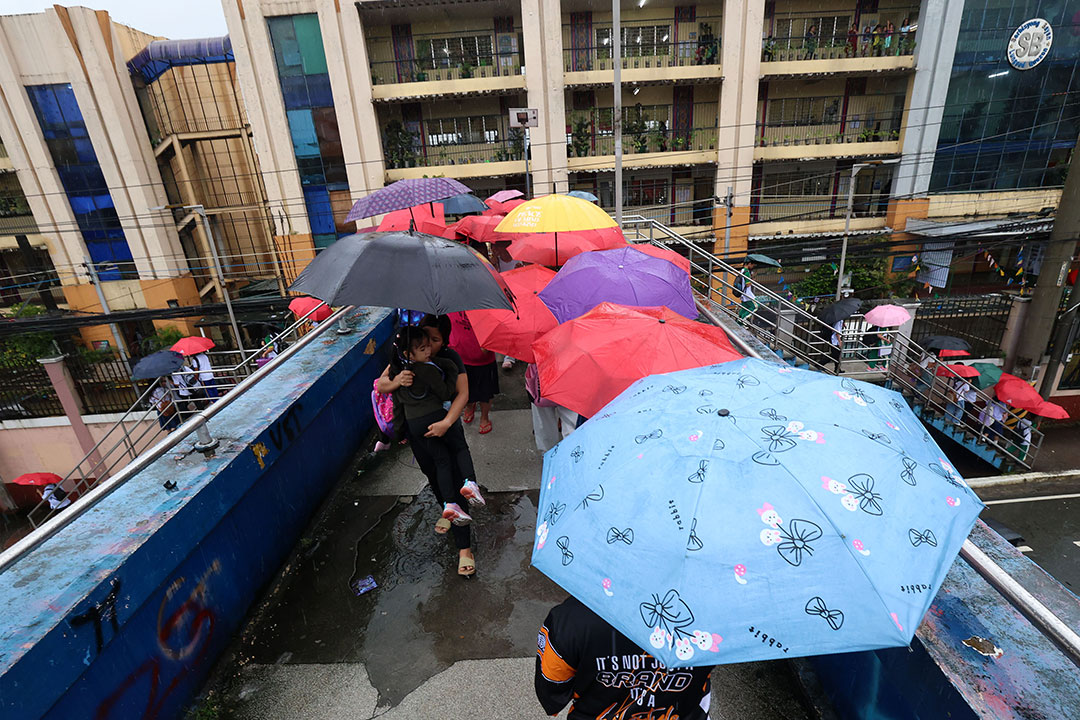
The Philippine Atmospheric, Geophysical and Astronomical Services Administration (PAGASA) announced that the southwest monsoon, locally known as habagat, is expected to terminate within the next two weeks. This marks a transition to the northeast monsoon, or amihan, which will bring cooler and drier conditions to parts of the country. John Manalo, a weather specialist at PAGASA, stated during a press conference that the habagat is weakening and likely to transition into the amihan in the coming month. Heavy rainfall from the enhanced southwest monsoon and associated tropical cyclones in August caused widespread flooding in Metro Manila and various regions, affecting over 9.6 million individuals as of a National Disaster Risk Reduction and Management Council (NDRRMC) situational report on September 20. The anticipated northeast monsoon originates from cold air masses over Siberia and the Asian continent and typically persists from October to March. While it can cause rains, particularly over the eastern sections of Luzon and the Visayas, it generally ushers in cooler and drier weather nationwide. This seasonal shift coincides with forecasts that the El Niño phenomenon is likely to intensify into a very strong state by the end of the year and persist until the first quarter of 2027. The intensification of El Niño could further influence rainfall patterns and temperatures in the Philippines, necessitating close monitoring for future weather predictions and disaster preparedness. As a nation geographically susceptible to monsoonal influences, the change in monsoon patterns directly impacts the daily lives of Filipinos. With recovery efforts underway from past flood damage, the country faces the ongoing challenge of adapting to evolving climate conditions.
Original source
BusinessWorld Nation