General articles are free for 24 hours after publish.
Illness Claims Delay Arrests of High-Profile Philippine Officials
A pattern has emerged in the Philippines where high-profile officials facing arrest warrants, often for corruption charges, are hospitalized citing illness just before their detention. At least eight government officials in the past two decades have invoked medical conditions to delay or avoid arrest and detention.
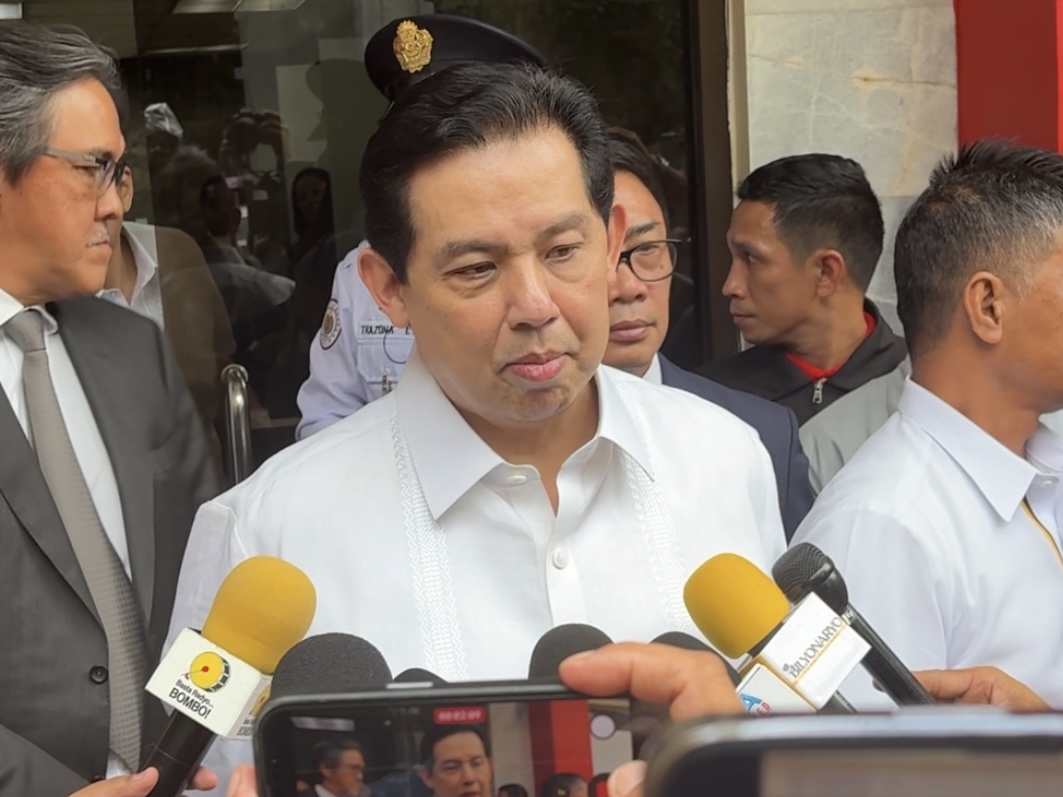
A pattern has emerged in the Philippines where high-profile officials facing arrest warrants, often for corruption charges, are hospitalized citing illness just before their detention. Leyte 1st District Representative and former House Speaker Martin Romualdez was confined at the Cardinal Santos Medical Center hours before his scheduled arrest on September 7, reportedly due to a "cardiovascular event, unstable blood pressure, and anxiety attacks." In the last two decades, at least eight government officials charged with various offenses have mentioned a variety of health issues to justify hospitalization, thereby delaying or avoiding arrest and detention. These cases highlight a recurring theme where medical conditions are invoked as a reason for hospital confinement. Recently, former Department of Public Works and Highways (DPWH) Secretary Manuel Bonoan was also arrested on plunder and graft charges and brought to a hospital due to hypertension. He was later placed under hospital arrest by the Sandiganbayan due to multiple serious health conditions, including chronic renal disease and prostate cancer. He was eventually released after being listed as a state witness. Senator Rodante Marcoleta was arrested on plunder charges and complained of chest pain on the same day, leading to his confinement and medical observation for hypertension. However, doctors later deemed his condition improved, and he was ordered transferred to a regular jail. Senator Jinggoy Estrada has a history of citing different medical conditions with each arrest. For his latest arrest related to the flood control scandal, he was hospitalized for an alleged knee injury, though his lawyer cited osteoarthritis. In previous cases, he has cited recurring shoulder pain, acid reflux, rectal bleeding, and a heart infraction, often leading to hospital confinement or requests for medical treatment. Former President Joseph “Erap” Estrada was arrested for plunder in 2001 and detained at a hospital due to fever and chills, later diagnosed with chronic obstructive pulmonary disease. Former Ilocos Norte Representative Imelda Marcos was granted post-conviction bail in 2018 due to her advanced age and claimed "multiple organ infirmities." Late Senator Juan Ponce Enrile was placed under hospital arrest in 2014 due to medical conditions including high blood pressure and cardiovascular disease. Former President Gloria Macapagal-Arroyo was arrested for electoral fraud and later for plunder, undergoing spinal surgery and long periods of hospital arrest. Raymund Narag, a professor at Southern Illinois University, noted that medical care for accused individuals is "selectively available to the rich and powerful," underscoring concerns about unequal access to justice and the potential misuse of medical claims to evade legal accountability in the Philippines.
Original source
Rappler Philippines