General articles are free for 24 hours after publish.
Da Lat Man Fined VND 35 Million for Unlicensed Pine Tree Cutting
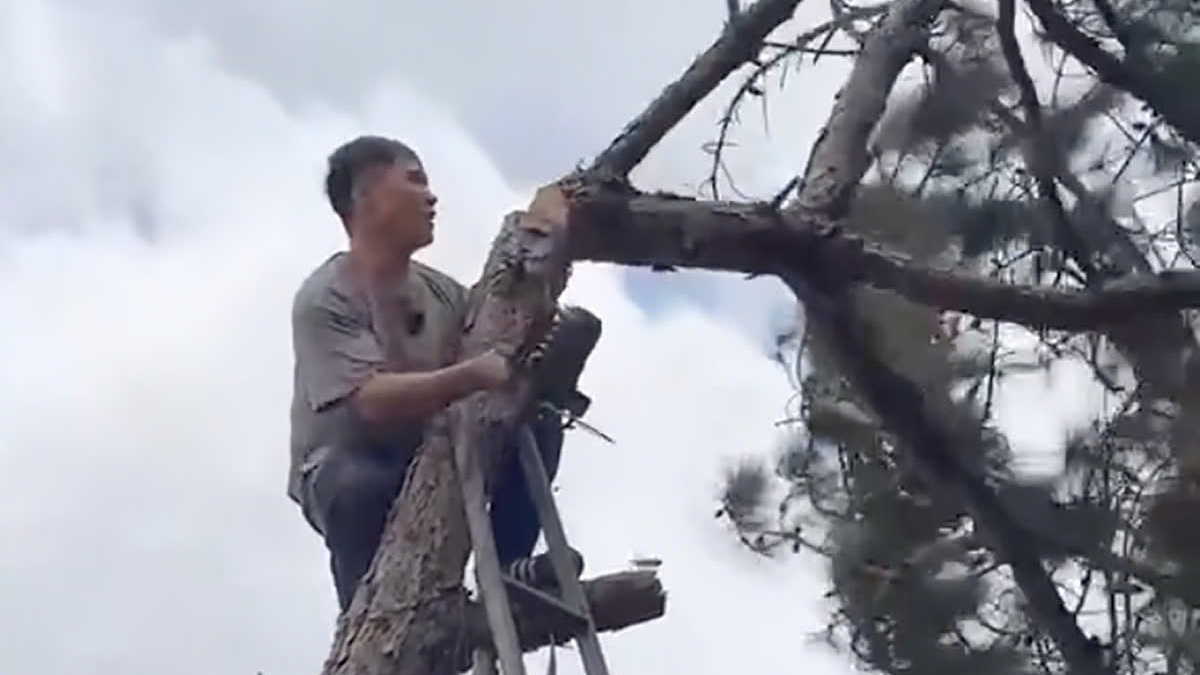
A man in Da Lat City was fined VND 35 million (approximately $1,400 USD) for cutting down a pine tree on his property without a permit, despite the tree posing a risk of falling onto a neighboring house. The case highlights that even trees on private land may require permits for felling, depending on their origin and management authority.
A 27-year-old man in Da Lat City, Vietnam, has been fined VND 35 million (approximately $1,400 USD) for illegally cutting down a pine tree on his private property without obtaining the necessary permits. The incident underscores the complex regulations surrounding tree felling, even on residential land. The man, identified as Hoang, stated that the pine tree, approximately 5 meters tall with a trunk diameter of 35 cm, had tilted towards his neighbor's house due to strong winds. Concerned about the risk of collapse, he proceeded to cut it down before the local authorities could complete the permit process. Hoang explained that the land, purchased by his mother in 2017, already had three pine trees. One had died and was removed with official permission. He documented the cutting process in videos posted on TikTok for his business engagement. Authorities from Xuan Huong Ward, Da Lat City, summoned Hoang for questioning on September 7th and issued an administrative violation notice two days later. The fine was imposed under Government Decree 339/2026, which stipulates penalties of VND 30-50 million for unauthorized tree felling. Nguyen Ngoc Hau, Vice Chairman of the Xuan Huong Ward People's Committee, clarified that while the tree was on private land and not part of a forest, its removal still required adherence to green space management regulations. He emphasized the need for residents to report tree-related issues to the authorities for inspection and permit issuance. Cao Son Dung, Acting Director of the Lam Dong Department of Construction, differentiated between trees grown by residents for personal use (like fruit trees) and ornamental, protected, or forestry-managed trees. While residents generally have rights over trees they cultivate on their land, those that pre-date land allocation or are of significant ecological value may remain under state management. He added that owning land does not automatically grant ownership of pre-existing landscape trees. Authorities must verify the origin and management jurisdiction of each tree before approving felling requests. Exceptions for permits exist in emergency situations due to natural disasters, such as imminent collapse. However, such cases require official documentation with witnesses and reporting to the relevant authorities. Hoang did not follow this procedure. Dung advised residents to consult with local authorities for guidance on trees with unclear origins or ownership, reiterating that private land status alone is insufficient grounds for autonomous felling. This case highlights the balancing act Vietnam's one-party government undertakes to manage urban development, environmental preservation, and individual property rights, particularly in scenic areas like Da Lat.
Original source
VnExpress