General articles are free for 24 hours after publish.
Son La Province Achieves Remarkable Progress in Uplifting Ethnic Minority Regions and Improving Infrastructure
Son La Province has made significant strides in improving living standards and infrastructure in its ethnic minority regions. After five years of policy implementation, residents' incomes have doubled, and poverty rates have drastically decreased, with essential infrastructure like transportation, electricity, healthcare, and education also seeing improvements.
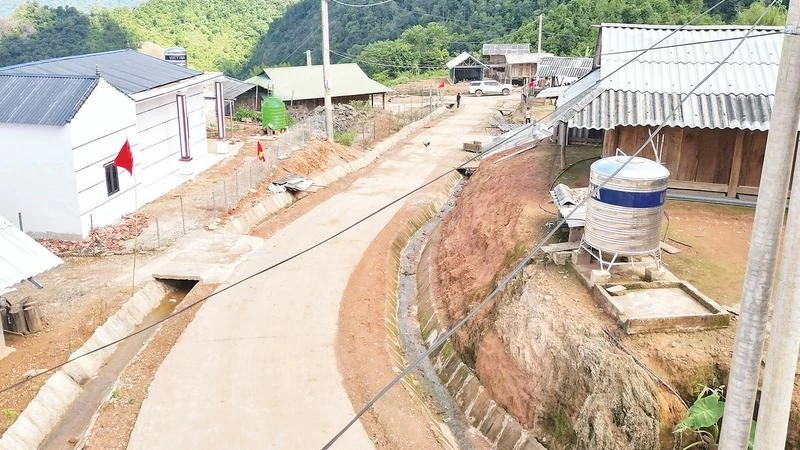
Son La Province, located in northwestern Vietnam, has achieved remarkable progress in improving living standards and infrastructure in its ethnic minority and mountainous regions. After five years of implementing Resolution No. 16-NQ/TU by the Standing Committee of the Provincial Party Committee, the life of the people in these areas has steadily improved, and essential infrastructure has been enhanced. This serves as a foundation for the province to continue implementing national target programs for the 2026-2030 period. Son La Province has a population of over 1.4 million, with more than 1.17 million being ethnic minorities. Out of 75 administrative units, 66 are classified as ethnic minority and mountainous areas. During the 2021-2025 period, the province successfully completed 15 out of 21 objectives outlined in the resolution. The average income of ethnic minority residents has doubled compared to 2020, and the province's overall poverty rate has decreased from 21.66% in 2021 to 9.37% in 2025, an average annual reduction of 3.11%. Four former districts—Muong La, Bac Yen, Van Ho, and Thuan Chau—have met the criteria to be removed from the list of poor districts. Investment in transportation infrastructure has been a priority, with 100% of xã (communes) now having asphalted or concreted roads leading to their centers. From 2021 to 2025, 1,303 roads, totaling 1,168.7 km in length, were hardened with a total investment of over 1.896 trillion VND (approximately $78 million USD). This has resulted in 80.43% of bản (villages) having hardened roads connecting them to their commune centers. Electricity, education, healthcare, and clean water for daily use have also been prioritized. 99% of households have access to safe electricity grids. The internet penetration rate has reached 64%, and health insurance coverage stands at 96.3% of the population. Additionally, 956 households have been resettled in 17 locations, and over 8,200 households benefit from centralized clean water supply systems. Furthermore, a shift from direct support to developing livelihoods and commodity production linked to the market is underway. Eight typical value chains have been established in sectors such as coffee, mangoes, tea, medicinal plants, beef cattle, Da River cage aquaculture, and forest products. This approach has provided hundreds of ethnic minority households with support in terms of seeds, materials, machinery, technical training, and product consumption linkages. However, Son La Province still faces challenges, with six objectives not yet met. These include the proportion of bản with hardened roads, the rate of rural households using clean water meeting standards (44% by the end of 2025, against a target of 80%), the reduction of particularly difficult xã, the resolution of housing and production land shortages, the proportion of bản with cultural houses, and the proportion of xã with sturdy school buildings. For the 2026-2030 period, Son La Province aims to continue its comprehensive leadership role in the socio-economic development of ethnic minority and mountainous regions. This will involve timely elaboration of policies into practical programs and plans, clear assignment of responsibilities, and strengthened inspection and supervision. The province will also focus on mobilizing and effectively utilizing resources, integrating national target programs with socio-economic development plans, and further improving incomes, achieving sustainable poverty reduction, enhancing infrastructure, preserving cultural heritage, and fostering the self-reliance and aspiration of the ethnic minority communities within the province.
Original source
Nhan Dan