General articles are free for 24 hours after publish.
Vietnam's Fruits Surge in China Market, Chasing Chile in Volume and Quality
Vietnam's vegetable and fruit exports to China have surged, making it the third-largest supplier in the Chinese market. Durian is a major driver, and Vietnam is narrowing the gap with Chile by leveraging quality and geographical advantages. However, adapting to China's tightening regulations poses a challenge.
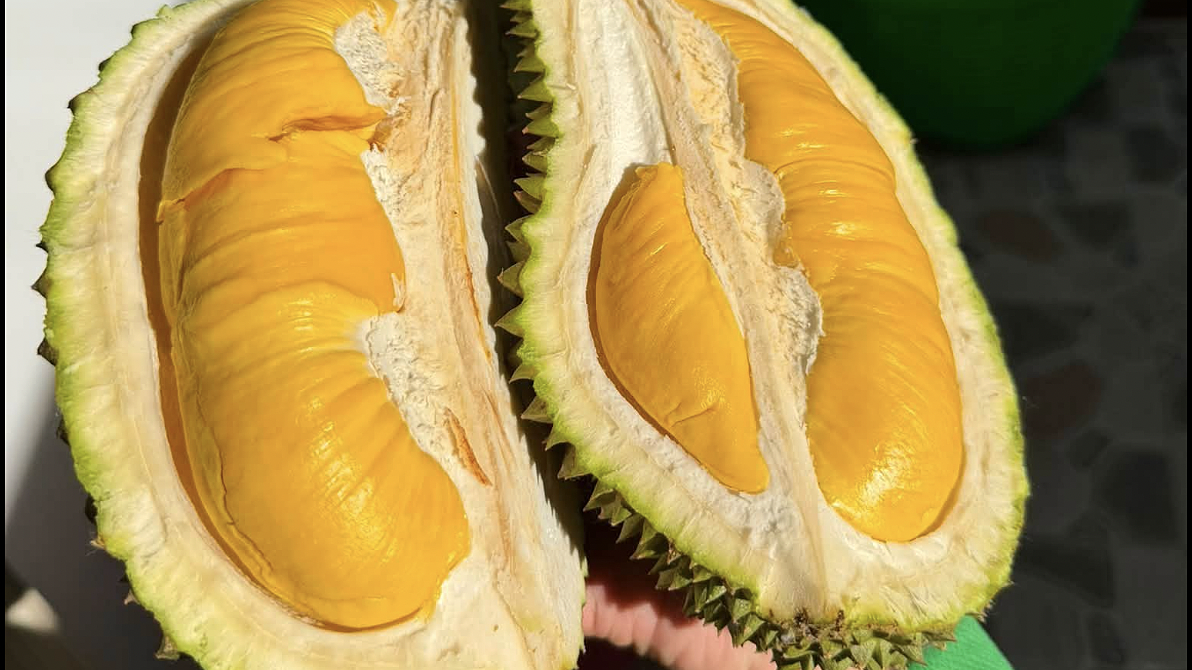
Vietnam's vegetable and fruit exports to China are experiencing remarkable growth. According to the latest data from Chinese customs, in the first half of the year, China imported approximately $2.16 billion worth of vegetables, flowers, roots, and fruits from Vietnam, marking a 19.3% increase compared to the same period last year. With this growth rate, Vietnam has solidified its position as the third-largest supplier to the Chinese market, following Thailand and Chile. Notably, the market share of Vietnamese products has expanded from about 13.8% in the first half of 2025 to nearly 15.8% in the same period this year, narrowing the gap with Chile, the second-largest supplier, to less than one percentage point. Vietnam's surge is supported by both the scale of its supply and changes in its product structure. Among these, durian has been the biggest driver. In the first half of the year, China purchased nearly $988 million worth of fresh and frozen durian from Vietnam, an increase of 43.4% compared to the same period last year. Durian alone accounts for nearly half of Vietnam's total vegetable and fruit export value to China. While exports of mangoes, dragon fruits, and bananas decreased, coconut exports saw a significant increase. The group of fresh, dried, and frozen fruits reached approximately $1.63 billion, up 17%, and accounted for over 80% of the total export value of vegetables and fruits to China. Geographical advantage is also a crucial factor. According to Mr. Dang Phuc Nguyen, Secretary General of the Vietnam Fruit and Vegetable Association (Vinafruit), the short distance allows fresh produce from Vietnam to reach China faster, maintain better quality, and incur lower logistics costs compared to many suppliers from Southeast Asia and South America. This advantage is particularly important for fresh fruits, which are highly dependent on transit time. As the demand for tropical fruits in China expands from large cities to second and third-tier cities, and to northern and western provinces, nearby supply sources gain further growth potential. The fact that many types of Vietnamese fruits have gained official market access through protocols with China has also created conditions for businesses to expand their raw material areas and production volumes. However, the Chinese market is increasingly tightening its requirements for imported goods. According to Mr. Nguyen, China is implementing stricter controls on enterprise registration, cultivation area codes, and packing facilities. Origin fraud, misuse of cultivation area codes, or contamination with harmful organisms can lead to the temporary suspension or revocation of codes, directly impacting the export capabilities of entire regions. Therefore, businesses must ensure actual control of cultivation areas, food safety, and traceability. They also need to strengthen linkages with farmers and cooperatives to secure stable supply sources. The advantage of proximity will only be realized if quality is maintained throughout the preservation and transportation process. Furthermore, product diversification helps Vietnamese vegetables and fruits reduce their dependence on a few items. Coconuts and their processed products are opening up new growth potential in this market, alongside flagship products like durian. Source: VnExpress
Original source
VnExpress