Senate Inquiry Sought Over Illegal Dump in Aeta Ancestral Domain
Technology
2026年7月16日
4
Inquirer NewsInfo

Senate Inquiry Sought Over Illegal Dump in Aeta Ancestral Domain

AI サマリー

A senator has called for a Senate inquiry into an alleged illegal open dump operating within an Aeta ancestral domain in Subic, Zambales, since 2019. Aeta families report contamination of their water source and health risks.

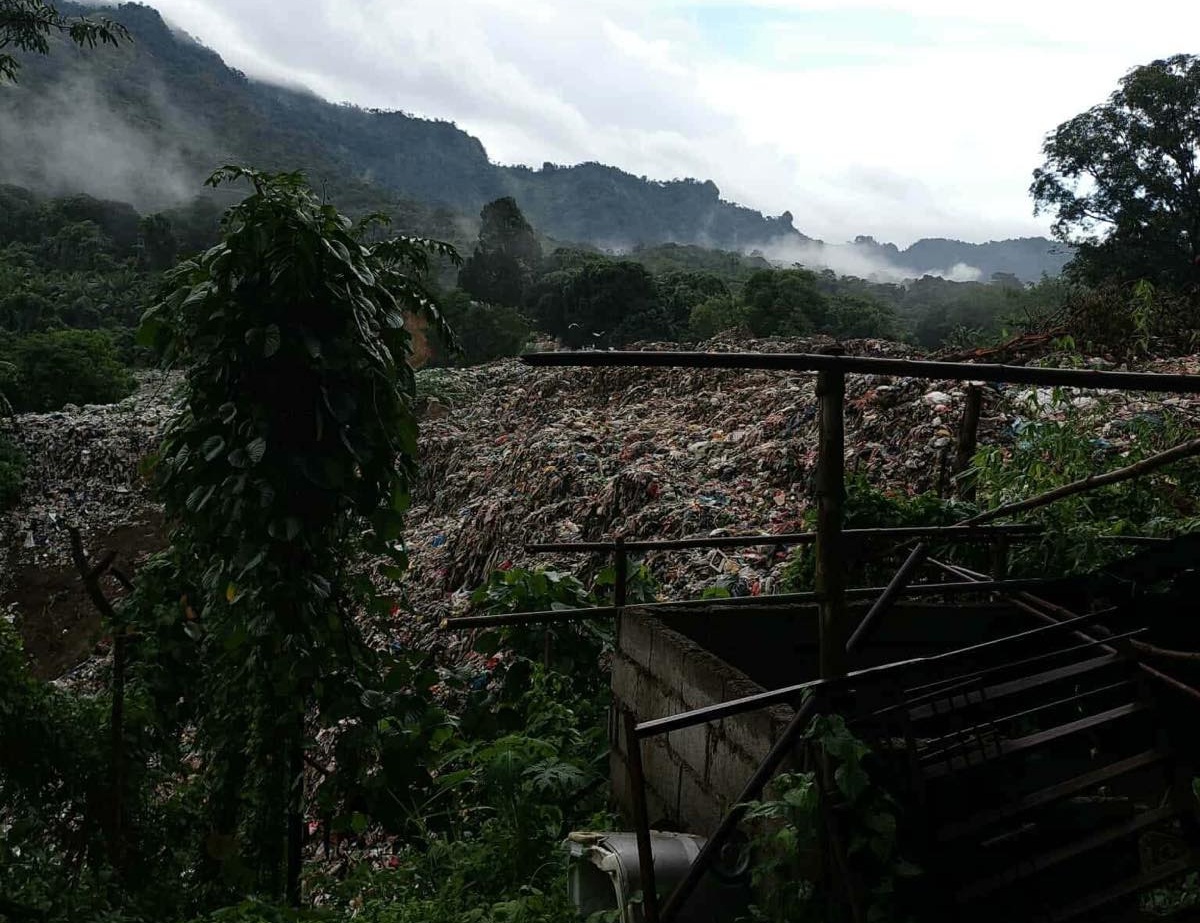
ODD LANDSCAPE Aeta families in Subic, Zambales, have complained about garbage dumped within the forests of their tribe’s ancestral domain since 2019, but only came to light recently, prompting calls for a Senate investigation. —Contributed photo OLONGAPO CITY, ZAMBALES, Philippines — Sen. Robinhood Padilla has filed a resolution seeking a Senate investigation into the reported operation of an alleged illegal open dump inside an Aeta ancestral domain in Subic, Zambales. In Senate Resolution No. 513, Padilla, chair of the Senate committee on cultural communities and Muslim affairs, called for an inquiry, in aid of legislation, to identify those responsible for the landfill operations, determine measures needed to rehabilitate the affected area, and assess whether existing laws adequately protect indigenous communities and their ancestral domains. “Ancestral land is not a vacant lot that can be turned into a garbage dump. It is the home, livelihood, history, and identity of our indigenous peoples,” Padilla said in a statement in Filipino. “Their rights must not be disregarded in the name of convenience or because of the negligence of any public official,” he added. The resolution cited reports that the dump had allegedly been operating since 2019 within the ancestral domain, where household waste, including used face masks, personal protective equipment, and other garbage generated during the Covid-19 pandemic, had been disposed of. It also noted claims that the community’s primary water source had been contaminated, posing potential health risks to residents. Padilla cited the findings of a 2022 investigation by the Department of Environment and Natural Resources (DENR), which reportedly found violations of Republic Act No. 9003, or the Ecological Solid Waste Management Act of 2000. READ: As Aeta kids learn, elders fight for land in Pampanga He emphasized that the 1987 Constitution and Republic Act No. 8371, or the 1997 Indigenous Peoples’ Rights Act, guarantees the protection of indigenous Filipinos and their ancestral domains, while RA 9003 prohibits the operation of open dump. The Senate inquiry, according to Padilla, aims to determine whether additional legislative measures are needed to prevent similar incidents and ensure greater protection for indigenous communities and their ancestral lands. The dump occupies a portion of the Aeta ancestral domain, where around 100 Aetas rely on farming for their livelihood. In earlier interviews with the Inquirer, members of the community said they were forced to abandon portions of their farmland after a section of the forest was used as a dump. They also claimed that their water source had been affected. The DENR’s Environmental Management Bureau earlier ordered the closure of the dump and directed the Subic municipal government to rehabilitate the area. Aeta leaders, however, have maintained that rehabilitation alone would be an insufficient response to the environmental violation. They have called for an investigation into those responsible for allowing the dump to operate and sought accountability, compensation for affected communities, and administrative and criminal sanctions against officials found liable. /cb

多角的分析

経済的影響

この不法投棄問題は、アエタ族の生計の基盤である農業用水源の汚染を引き起こす可能性があり、長期的に見れば地域経済に打撃を与えかねない。また、環境再生には多額の費用がかかるため、自治体や関係機関の財政負担も懸念される。フィリピンでは、固体廃棄物管理法(RA 9003)が定められているが、その執行能力や監督体制の不備が、このような事態を招く経済的・構造的な弱点を示唆している。

投資家心理

投資家にとって、この種の環境問題は、企業統治(ESG)リスクの兆候となり得る。特に、地域社会との関係が悪化したり、規制当局からの罰金や事業停止命令につながる可能性がある場合、直接的な投資リスクとなる。フィリピンに進出する日本企業も、サプライチェーンにおける環境・社会リスクを評価する上で、こうした地域社会の懸念を無視できない。

社会的影響

アエタ族の先祖伝来の土地への不法投棄は、彼らの生活基盤である水源を汚染し、健康被害のリスクを高めている。これは、フィリピンの先住民コミュニティが直面する、土地の権利、環境保護、そして基本的な生活環境の維持における深刻な課題を浮き彫りにしている。特に、パンデミック中に発生した医療廃棄物までが投棄されている事実は、廃棄物管理システムの全体的な脆弱性を示唆している。

市民の声

アエタ族の住民は、自分たちの土地がゴミ捨て場と化し、生活用水が汚染されるという直接的な被害に苦しんでいる。彼らは、自分たちの権利が無視され、健康や生活環境が脅かされていると感じている。この問題は、地方自治体の対応の遅れや、環境規制の執行能力に対する住民の不信感を招く可能性がある。

背景・歴史的文脈

フィリピンでは、先住民の権利保護と土地の保全は、1997年の先住民の権利法(IPRA)によって法的に保障されている。しかし、土地の利用権を巡る紛争や、開発プロジェクトによる先住民コミュニティの移転、そして環境汚染といった問題は、依然として根深く残っている。今回の事件は、IPRAで保護されるべき先祖伝来の土地が、不法なゴミ投棄という形で侵害された典型例であり、過去にも類似の環境破壊や先住民コミュニティへの影響が報告されている。

原文ソース

Inquirer NewsInfo

原文を読む