General articles are free for 24 hours after publish.
PM Hun Manet Calls for Enhanced Public Health and Food Safety
Cambodian Prime Minister Hun Manet has ordered the strengthening of public health services and stricter inspections of imported food and products. He emphasized cancer prevention as a top priority, aiming to develop the nation's human capital.
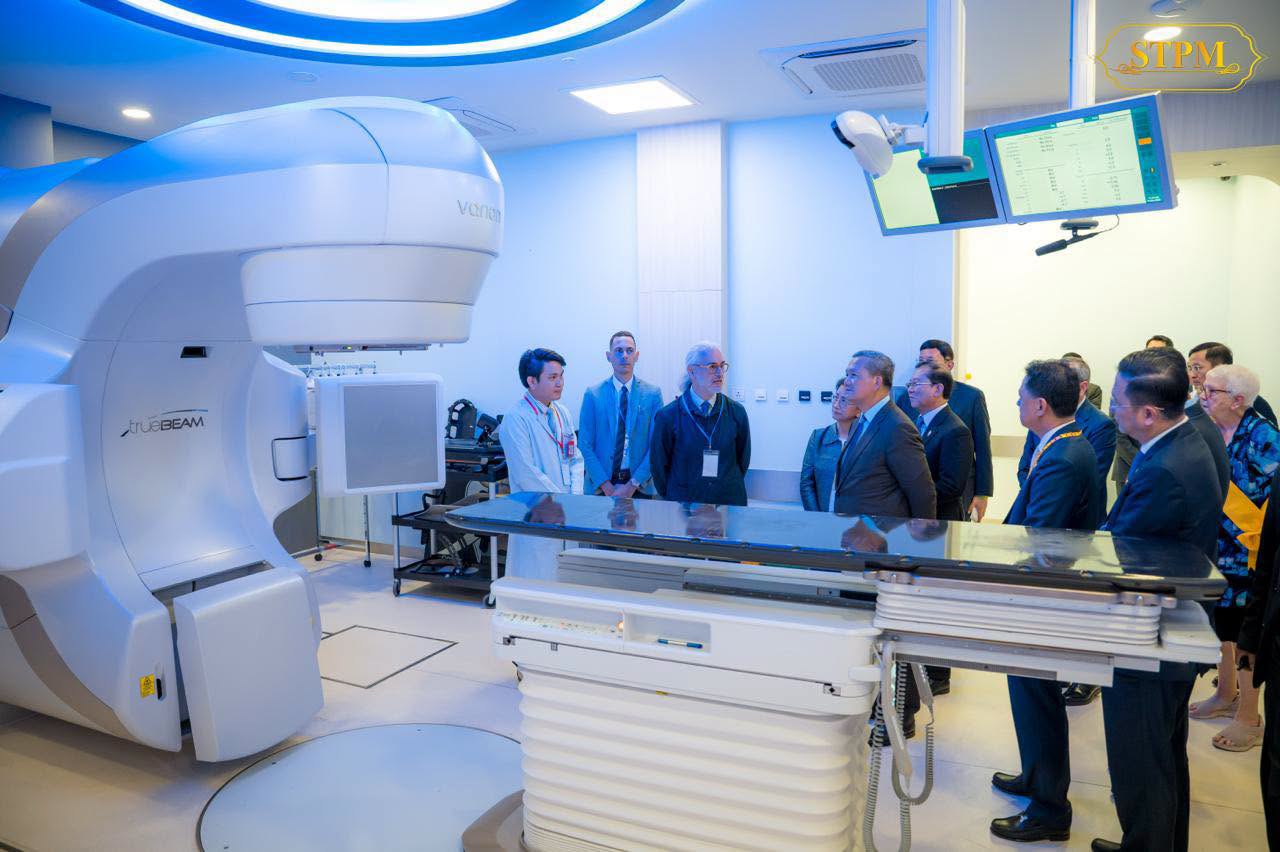
Cambodian Journalists Alliance Association Listen to the audio version of this article (generated by AI). Prime Minister Hun Manet on Wednesday called for stronger public health services and stricter checks on imported food, health and beauty products, citing the need to reduce cancer risks and expand access to treatment and prevention services across the country. Speaking at the inauguration of the Luang Mae Hospital earlier today, he said the government would expand and improve the quality of public health services in cities and provinces, particularly cancer treatment. He also instructed relevant officials to strengthen inspections of imported food, health products and beauty products sold online. According to him, the government considers “human capital development” its top priority and will continue promoting the health sector and improving the public health system by expanding health infrastructure to be closer to communities, modernizing specialized medical equipment, and developing a more equitable and sustainable social protection system. “Investing in the health sector is investing in people’s lives, the workforce, human resources, and the country’s equitable and sustainable development,” he said. Cambodia has developed key policy frameworks, including the Health Strategic Plan and the National Cancer Control Plan 2025-2030. In order to implement the national cancer control plan, the government has strengthened the capacity of hospitals specializing in cancer treatment to provide care for cancer patients, and making life-saving a priority, he said. Sixty-one district referral hospitals in the country have improved their service to provide emergency care, he said, adding that the government has allocated $18 million, as “emergency surgery is extremely important”. Currently, health centers nationwide provide 24-hour service, with 522 midwives and nurses recruited, Manet said. Hospitals and health centers have also increased supply of medicines from 15 days to 30 days for patients with hypertension and diabetes. He added that 540 health centers and 14 referral hospitals now are able to conduct cervical cancer screening. “In this new mandate, the Royal Government has strengthened the code of conduct in the private medical sector by introducing clear regulations. Regulations in the health sector must be strict to ensure patient safety,” Hun Manet said. He reiterated orders to the Ministry of Commerce, Ministry of Health, Ministry of Agriculture, Forestry and Fisheries and other authorities to strictly inspect imported vegetables and meat, as well as the use of various chemicals, to reduce the risk of food-related cancer. The Ministry of Commerce issued a notice to business operators, urging them and importers to comply with regulations and not import illegal products or products containing chemicals that could harm consumers’ health. As of July 31, 2026, hospitals had provided outpatient consultations to more than 230,000 people and inpatient care to more than 20,000 patients, while identifying 3,420 new cancer cases. In addition, more than 5,000 cervical cancer vaccines had been administered along with some 100,000 free cervical cancer screenings. Ros Dy, a doctor at Ansa Chambak Health Center in Krakor district, Pursat province, said about 500 people visit health centers every month, many of them to refill medication for diabetes and hypertension. She was concerned about the number of cancer cases as people are reluctant to seek consultations and treatment due to embarrassment. The health center has staff working around the clock to serve residents, she said, while hoping to obtain more blood sugar and blood pressure monitoring equipment given the high demand. “We do not let the medication run out here, especially medication for hypertension and diabetes. I am also concerned because most women are still embarrassed about cervical cancer. Our health center has also provided cervical cancer vaccinations to schoolchildren who are of the eligible age,” she said. Cancer is having a serious impact on public health and the economy, she added. According to the Health Ministry, about 20,000 cancer cases are recorded each year, with about 14,000 deaths annually. The death rate is more than 70%, compared with a global average of 48%. Among cancer patients treated in Cambodia in 2024, breast and cervical cancer were the most common, accounting for nearly 32% of all cancer cases. Ministry of Health spokespersons Koy Vanny and Ly Sovann could not be reached for comment on cancer cases and ministry policies to prevent cancer. Ouch Vuthy, president of the Cambodian Association of Medical Ethics, said cancer affects people with vulnerable conditions, adding that high cancer rates are not unique to Cambodia, as other countries are also experiencing high numbers. He said that there are many types of cancer cases, noting that the disease could be caused by chemicals in food, vegetables and fruits. He agreed with the government’s move to strengthen inspections of food safety for products imported from abroad. However, the government should allocate more budget to the health sector to address public health challenges. “We support the government’s measures and attention to people’s health. I also see that the Health Ministry is working to prevent cancer. People should pay attention to their health by maintaining good hygiene and eating safe food,” he said.
Original source
CamboJA News