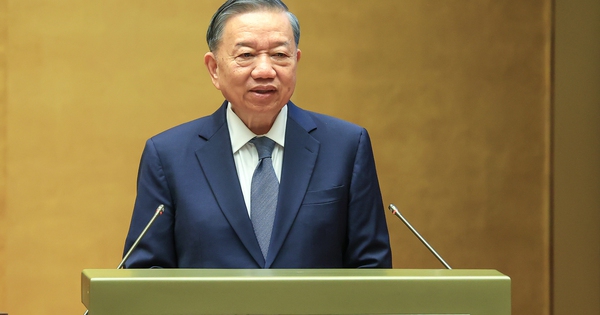
Vietnam's Top Leader Urges Stronger Breakthroughs in Science, Technology, and Digitalization
Technology
2026年7月2日
5
Bao Chinh Phu

Vietnam's Top Leader Urges Stronger Breakthroughs in Science, Technology, and Digitalization

AI サマリー

Vietnamese top leader To Lam, reviewing the implementation of Politburo Resolution 57 on science, technology, innovation, and digital transformation, identified the "biggest bottleneck" in the execution phase and called for stronger breakthroughs to generate results. He emphasized accelerating the mastery of strategic technologies like AI and big data, and developing the digital economy.

Vietnamese top leader To Lam has called for stronger breakthroughs in the implementation phase of Resolution No. 57-NQ/TW, which focuses on advancements in science, technology, innovation, and national digital transformation. Addressing a national conference reviewing the 1.5-year implementation of the resolution on July 1, 2026, in Hanoi, General Secretary and President To Lam identified the "biggest bottleneck" as lying within the execution stage, demanding a more vigorous push forward. He emphasized that Vietnam must decisively transition from laying foundations to delivering results, moving from mechanism building to product creation, from task completion to value generation, and from preparing conditions to directly contributing to national development. "The upcoming period must focus on delivering results," To Lam stated. Among the major tasks for the coming period, To Lam outlined four key requirements. First, it is imperative to continue thoroughly grasping Resolution 57 in alignment with the implementation of the Resolution adopted at the 14th National Party Congress. He stressed that science, technology, innovation, and digital transformation are the primary drivers of the new development and growth model and an "obligatory path" to realize the country's two centenary goals. Every party committee, organization, official, and member, especially top leaders, must view the resolution's execution as their critical and regular political task. Tasks under Resolution 57 will only be considered complete when they yield operational products, verifiable data, actual users, and measurable efficiency. "We must answer with concrete products: which technologies have been mastered, which data systems have been connected, which administrative procedures have been streamlined, which enterprises have scaled up, which sectors have increased productivity, how citizens have benefited, how much society has saved, and how much growth has been contributed," he specified. Regarding national digital transformation, To Lam highlighted the need to accelerate digitalization across enterprises and society, alongside focusing on the political system, while developing the digital and data economies. In terms of science, technology, and innovation, he stressed concentrating national resources on mastering and developing strategic technologies such as artificial intelligence (AI), big data, robotics, biomedicine, materials and energy, semiconductor chips, cybersecurity, quantum computing, unmanned aerial vehicles, and marine technologies. He called for setting clear targets for technological mastery, product possession, exports, and contributions to economic growth, national defense, security, and national autonomy over various timeframes. Ministers leading strategic technology projects must bear ultimate responsibility for the final product, focusing on actual outcomes, efficiency, and real-world impact. To Lam also urged the business community to increase investment in R&D, technological innovation, digital transformation, and high-quality human resource training, urging enterprises to serve as the center of the innovation ecosystem. Research institutes and universities were encouraged to focus more heavily on practical problems facing the country and utilize application, transfer, and commercialization as key metrics for research performance. He also called for strengthening international cooperation to attract knowledge, technology, and experts, thereby enhancing domestic R&D capacity. Furthermore, To Lam requested that the education and training sector, starting from the upcoming academic year, review curricula, prioritize strategic technological fields, and accelerate training in digital skills, innovation capacity, and AI application. The implementation outcomes of Resolution 57 will serve as a key criterion for cadre evaluation.

多角的分析

経済的影響

ベトナム経済は、製造業と輸出に大きく依存してきたが、近年、高付加価値化とイノベーションへの転換が急務となっている。決議57は、この構造転換を科学技術とデジタル化によって推進しようとするものだ。しかし、過去の事例では、政策立案から現場への浸透、そして具体的な成果創出までのタイムラグや、研究開発投資のROI(投資収益率)の低さが課題であった。今回は「製品創造」「価値創出」を強く意識しており、従来の「タスク完了」型から「成果重視」型への転換を狙っている。特にAI、ビッグデータ、半導体といった先端技術分野へのリソース集中は、長期的な国際競争力強化に不可欠だが、その実現には巨額の投資と高度な人材育成、そして民間企業の積極的な参画が鍵となる。デジタル経済の発展は、サプライチェーンの効率化や新たなビジネスモデル創出に繋がりうるが、インフラ整備やサイバーセキュリティ対策も同時に進める必要がある。

投資家心理

ベトナムの投資環境は、近年、地政学的なリスク分散やサプライチェーン再編の恩恵を受けて成長してきた。決議57は、ベトナムが単なる製造拠点から、技術革新とデジタル化を推進する「イノベーション・ハブ」へと進化する可能性を示唆しており、長期的な視点を持つ投資家にとって魅力的となりうる。特に、AI、ビッグデータ、バイオテクノロジー、半導体といった先端技術分野への国家的な注力は、関連スタートアップや研究開発型企業への投資機会を生み出す可能性がある。しかし、投資実行にあたっては、政策の具体性、研究開発成果の商業化、知的財産権の保護、そして優秀な人材の確保といった点が重要となる。また、デジタル変革の進展は、フィンテックやeコマースといった分野での新たなビジネスチャンスも提供するだろう。一方で、政策実行の遅延や、期待される成果が得られないリスクも考慮する必要がある。

社会的影響

決議57の実行は、ベトナム社会の構造に広範な影響を与えることが予想される。デジタル化の加速は、行政サービスの効率化や市民生活の利便性向上に繋がる可能性がある一方、デジタルデバイド(情報格差)の拡大も懸念される。特に地方や高齢者層が取り残されないような配慮が求められる。科学技術の進歩は、新たな雇用機会を生み出す一方で、既存産業の労働者のスキル再教育や職業転換を必要とするだろう。AIやロボット工学の導入は、生産性向上に寄与するが、雇用への影響も無視できない。また、先端技術分野での人材育成は、若年層にとって新たなキャリアパスを開く可能性があるが、教育システムがこれらの需要にどれだけ迅速に対応できるかが問われる。市民が具体的な技術革新の恩恵を実感できるか、そして、その恩恵が社会全体に公平に分配されるかが、決議の成功を測る重要な指標となるだろう。

市民の声

決議57の目指す科学技術とデジタル化のブレークスルーは、ベトナム市民の日常生活に直接的・間接的な影響を与える。行政手続きのデジタル化が進めば、役所に出向く手間が省け、より迅速にサービスを受けられるようになるかもしれない。例えば、オンラインでの証明書発行や税金申告などがより一般的になることが期待される。また、AIやビッグデータといった先端技術が、医療、教育、交通などの分野で活用されることで、より質の高いサービスが提供される可能性がある。例えば、AIによる病気の早期発見や、個々の学習能力に合わせた教育プログラムなどが考えられる。しかし、これらの恩恵を享受するには、デジタルスキルの習得が不可欠であり、特に高齢者や地方の住民が情報格差に苦しまないような支援策が重要となる。また、先端技術の導入による雇用への影響も、国民の不安材料となりうる。例えば、自動化が進む工場では、一部の労働者が職を失う可能性も否定できない。そのため、政府は、新たな技術分野での職業訓練や、失業者の再就職支援などを積極的に行う必要がある。国民がこれらの変化に円滑に適応し、技術革新の恩恵を広く享受できるような包括的な政策が求められる。

背景・歴史的文脈

ベトナムは、1986年のドイモイ(刷新)政策以降、市場経済化を進め、目覚ましい経済成長を遂げてきた。しかし、その成長モデルは、労働集約型産業や外国直接投資(FDI)への依存度が高く、高付加価値化とイノベーションへの転換が長年の課題であった。2021年1月に開催された第13回党大会では、2045年までの先進国入りという目標が掲げられ、科学技術、イノベーション、デジタル変革がその達成のための重要な柱として位置づけられた。決議57-NQ/TWは、この方針を具体化し、特に科学技術分野における「ブレークスルー」を求めるもので、2024年12月22日に政治局によって採択された。今回の会議は、その採択から約1年半後の実施状況を評価し、今後の方向性を確認する場となった。ベトナムの一党体制下では、党中央委員会の決議は国家政策の強力な推進力となるが、その実行段階での課題は常に存在する。

原文ソース

Bao Chinh Phu

原文を読む