Cambodia Moves to Resolve Sand Dredging Dispute Between Residents and Company
In Preah Vihear Province, Cambodia, the Ministry of Mines and Energy and provincial authorities have presented a resolution to a dispute between residents alleging riverbank erosion and disruption due to sand dredging, and a company operating with legal permits. Measures including restricted dredging areas and temporary suspensions are being implemented.
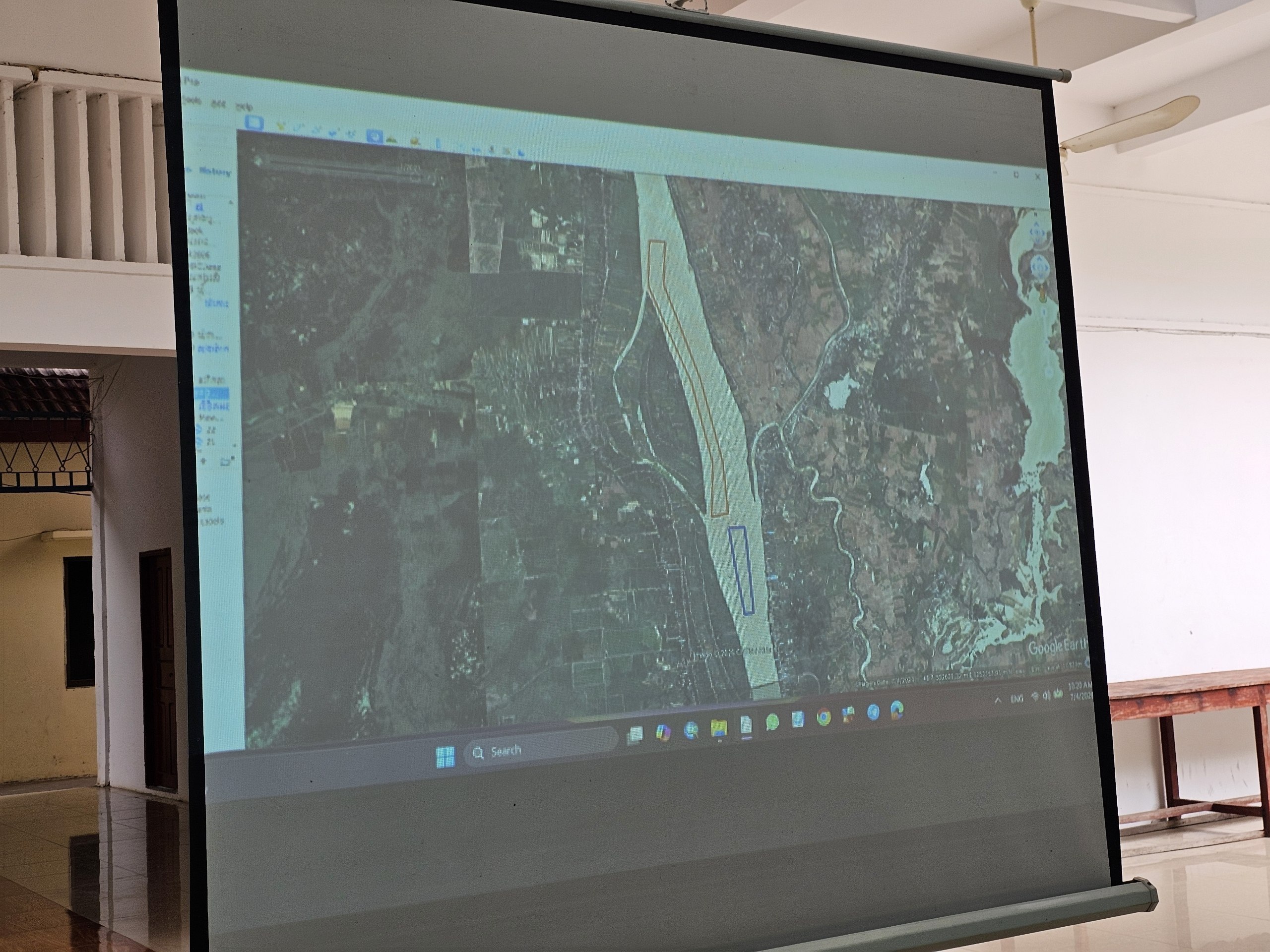
In Poipet District, Preah Vihear Province, Cambodia, the Ministry of Mines and Energy and provincial authorities are working to resolve a dispute between residents and a sand dredging company that had arisen over the company's operations. On July 4, 2026, senior officials from the ministry and the Governor of Preah Vihear Province presided over a meeting at the Poipet District Hall to address residents' grievances. The residents had alleged that sand dredging activities were causing riverbank erosion and disrupting their daily lives. Mr. Ing Dipola, Director General of the Ministry of Mines and Energy, stated that Chatomuk Company, the entity responsible for sand dredging, possesses a legal license and operates within its designated concession area. He emphasized that ministry experts had conducted thorough on-site investigations prior to the license issuance. Addressing residents' concerns, he clarified that no evidence directly linking riverbank erosion to sand dredging had been found. Furthermore, he explained that the purpose of sand dredging is to equalize river depths, stabilize waterways, and facilitate smoother navigation for cargo vessels. To mitigate the impact on residents, a mechanism was put in place requiring the sand dredging company to continue operations within its licensed area but to deploy buoys from 6:00 AM to 6:00 PM, and to temporarily withdraw both buoys and barges to accommodate the residents' fishing activities. Mr. Yos Monyrat, Secretary of State, endorsed this solution as beneficial for both the company and the residents. He announced the establishment of a monitoring post at the village chief's house to allow all parties to jointly verify whether the company is dredging within its concession or encroaching on other areas. Violations would be reported immediately to the Department of Mines and Energy for review and potential license revocation. Additionally, Mr. Suon Somalyne, the Provincial Governor of Preah Vihear, appealed to the residents for mutual understanding and urged them to report any issues to local authorities and law enforcement rather than resorting to violence, which could lead to further problems. It is noteworthy that some of the residents who had protested against the sand dredging barges did not attend the meeting, despite being invited by the district and commune administrations. Nevertheless, the relevant authorities are committed to continuing their search for a just and effective resolution to ensure harmony between the residents and the company, as well as sustainable development. Source: CPP Cambodia
多角的分析
砂泥採取は、インフラ開発や建設業に不可欠な資材供給源であり、カンボジア経済において重要な役割を担っている。しかし、その採掘活動は、河川環境への影響や地域住民の生活基盤への干渉といった経済的外部性を伴う。今回の事例では、合法的な採掘許可と住民の生活保護との間で、経済的合理性と社会的公平性のバランスを取る必要性が浮き彫りになった。政府は、採掘許可の厳格な管理と、環境影響評価、そして住民への補償メカニズムの確立を通じて、経済発展と持続可能性の両立を目指す必要がある。
砂泥採取事業は、カンボジアのインフラ開発ブームを背景に、一定の投資魅力を有している。しかし、今回の住民との対立は、事業運営における社会的リスクの存在を示唆している。投資家にとっては、事業許可の合法性だけでなく、地域社会との関係構築や環境規制遵守の徹底が、事業の安定性と長期的な収益性を確保する上で不可欠となる。政府による監視体制の強化や、紛争解決メカニズムの透明化は、投資環境の改善に寄与すると考えられる。
今回の砂泥採取を巡る紛争は、経済開発と地域住民の生活権益との間の潜在的な摩擦を浮き彫りにした。住民は、河岸侵食による住居や農地の喪失、漁業への影響といった直接的な被害を訴えている。政府は、採掘許可の管理だけでなく、住民との対話チャネルの強化、環境影響評価の徹底、そして被害を受けた住民への適切な補償策の実施を通じて、社会的な調和を図る必要がある。特に、紛争当事者である住民の一部が会合に出席しなかった事実は、コミュニケーションの課題を示唆しており、より包括的な参加型アプローチが求められる。
プレアビヒア州の住民にとって、砂泥採取は生活に直結する問題である。河岸侵食は住居や農地を脅かし、漁業の機会を奪う可能性がある。彼らは、自分たちの生活環境が経済活動によって損なわれることへの不安を抱えている。今回の政府による解決策は、採取場所の制限や一時中断といった形で、住民の懸念に一部応えるものだが、河岸侵食の根本原因への対応や、長期的な漁業への影響、そして補償のあり方については、さらなる議論と住民の納得が不可欠である。住民は、自分たちの声が行政に届き、公平な解決がなされることを強く願っている。
背景・歴史的文脈
カンボジアにおける砂泥採取は、経済発展、特に建設・インフラ分野の需要増加に伴い、近年急速に拡大してきた。メコン川などの主要河川からの砂泥採取は、河川の深さを均一化し、水運を改善する一方で、河岸侵食、生態系への影響、そして地域住民の生活基盤(漁業、農業用水)への悪影響が長年指摘されてきた。過去にも同様の紛争が各地で発生しており、政府は環境保護と経済活動のバランスを取るための規制強化や紛争調停メカニズムの導入を試みてきたが、実効性には課題が残されている。本件は、これらの構造的な問題がプレアビヒア州で顕在化した事例と言える。
原文ソース
CPP Cambodia