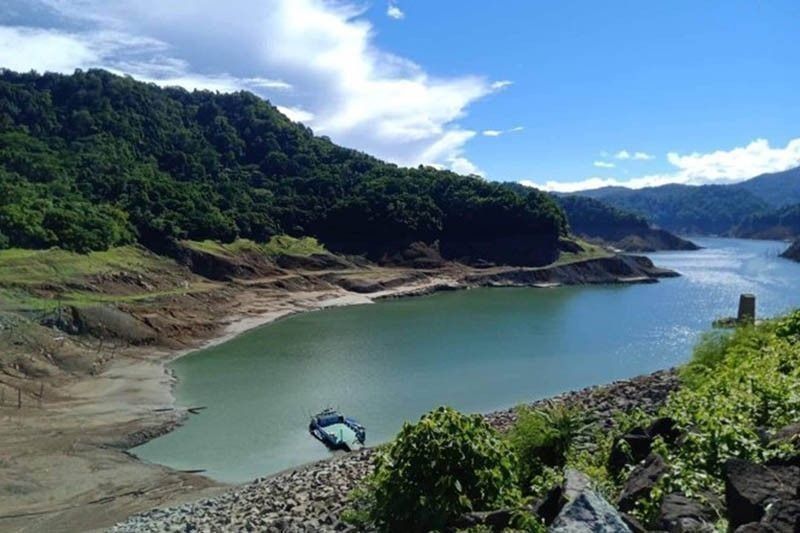
Angat Dam Water Level Sees Slight Rise Amidst Rains, Critical Level Still Distant
The water level at Angat Dam in the Philippines has slightly increased due to monsoon rains. However, it remains far from its critical level of 160 meters, raising concerns about continued water shortages for Metro Manila, the dam's primary service area.
This article requires PRO
This article is outside the free access window or is a special report. PRO unlocks it and the full archive.
Related articles
- Senate Files Resolution Commending Carlos Yulo's Historic Double-Gold Asian Games Triumph
A Philippine senator has filed a resolution to honor gymnast Carlos Yulo's historic double-gold achievement at the Asian Games. This feat is recognized as a significant triumph for Filipino sports.
- DA Urges Mimaropa Farmers to Conserve Water Amid El Niño Threat
The Department of Agriculture (DA) in Mimaropa has urged farmers across the region to conserve water and manage soil properly, anticipating the onset of El Niño. This directive comes in response to forecasts predicting drought conditions nationwide by March 2027.
- Consumer Groups Warn Against 'Truck Holiday' Amid Port Congestion
Consumer groups in the Philippines are urging against a planned 'truck holiday' protest against port congestion and logistics issues, fearing it will further burden consumers. They are calling for dialogue and system improvements among stakeholders.
- P9.06-B Farm-to-Market Road Program to Bolster Luzon's Agri-Transport
The Philippines' Department of Agriculture and Department of Public Works and Highways have signed an agreement for a P9.06-billion farm-to-market road program covering five regions in Luzon. The initiative aims to improve logistics and boost rural economies by developing 604 kilometers of road networks.