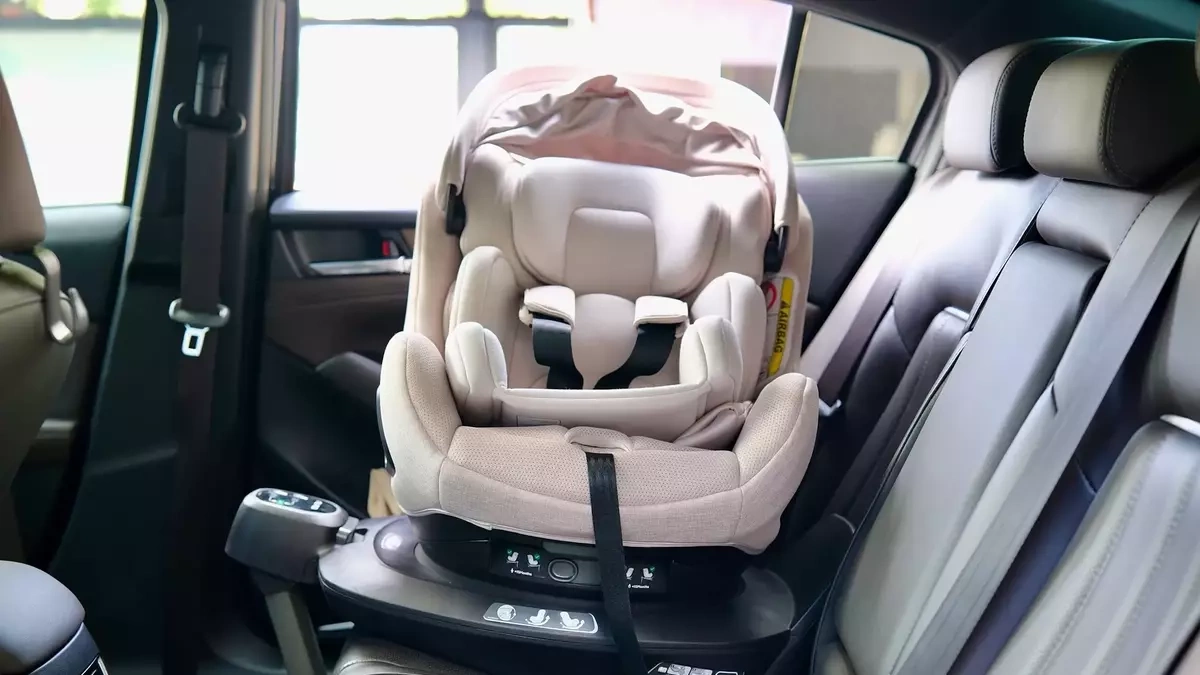
Vietnam Introduces Provisional Measures for Child Seat Certification
Vietnam's Ministry of Construction has authorized the Directorate for Roads of Vietnam to provisionally designate testing bodies for up to six months, aiming to resolve challenges in certifying child car seats under the new technical regulation QCVN 123:2024. This measure seeks to mitigate market disruption ahead of the July 1st enforcement date.
The Ministry of Construction has urgently requested the Directorate for Roads of Vietnam to address difficulties in the certification process for child car seats, in accordance with the new national technical regulation QCVN 123:2024. The Ministry has directed the Directorate for Roads to take the lead in evaluating the conformity, certifying, and announcing the conformity of child car seats. It will also be responsible for receiving and designating conformity assessment organizations that meet the requirements of the new regulation. The Directorate for Roads is required to publicly disclose the points of contact for receiving applications, the required documents, the processing procedures, and the resolution times. It must also refrain from imposing any additional conditions or procedures beyond what is stipulated. One of the significant challenges in implementing QCVN 123:2024 is the current lack of sufficient testing and certification bodies to immediately meet the demand for product assessments under the new standard. In response to this situation, the Ministry of Construction has permitted the Director of the Directorate for Roads to decide on the provisional designation of testing bodies if existing ones cannot meet the requirements promptly. This provisional designation will be valid for a maximum of six months from the date of the decision. The Ministry also requires the Directorate for Roads to submit all decisions and official documents issued for monitoring and inspection purposes. Furthermore, it must proactively report any difficulties or issues that arise during the implementation process. This is to ensure that the new regulation is implemented synchronously and effectively, preventing any disruption to the manufacturing, import, and supply of child safety equipment in the market. Previously, the Directorate for Roads had sent a proposal to the Ministry of Construction suggesting solutions to overcome the challenges in certifying child safety seats used in automobiles. Child safety seats are crucial devices for protecting occupants, especially young children, in vehicles. These products fall under the category of goods with a medium level of risk, requiring conformity announcement at local specialized agencies based on the certification results from designated certification organizations. However, for manufacturers, importers, and businesses to complete the conformity announcement procedures, child safety seats must undergo inspection, testing, and evaluation processes to obtain a certificate of conformity with QCVN 123:2024. With the regulation mandatorily coming into effect on July 1, 2026, the demand for conformity announcements from businesses is substantial. As of now, no certification body has yet met the qualifications to perform certification activities under the new regulation. According to the Directorate for Roads' proposal, the agency could provisionally designate the Vietnam Register's Center for Motor Vehicle Testing (VMTC) to test child seats. The Directorate for Roads would then provisionally certify these products for six months, or until a qualified organization becomes available. The Ministry of Construction's decision to task the Directorate for Roads with implementing transitional solutions will provide businesses with a basis to comply with the new regulations. It will also ensure that child safety seats on the market are quality-controlled before release, thereby avoiding unnecessary complications and bottlenecks during the initial phase of the new regulation's implementation. According to the Law on Road Traffic Order and Safety, starting July 1, children under 10 years old and shorter than 1.35 meters must use appropriate safety devices when traveling in cars, except when on public passenger transport vehicles. Among these safety devices, child safety seats are considered essential equipment for protecting children during car journeys.
多角的分析
ベトナム政府は、国内の製造業および輸入業者が直面する規制遵守の障壁を迅速に解消することで、経済活動の円滑化を図っている。チャイルドシートのような安全基準が厳格化される製品分野では、認証プロセスの遅延が市場供給の滞りや価格上昇につながる可能性がある。今回の暫定措置は、企業活動への悪影響を最小限に抑え、消費者の安全確保と市場の安定供給を両立させるための経済的合理性に基づいている。過去にも、新しい技術基準や安全基準の導入時には、同様の移行期間や暫定措置が取られることがあり、これはベトナム経済が国際基準への適合を進める上での常套手段となっている。
今回の措置は、チャイルドシートの製造・輸入・販売に関わる企業にとって、短期的な事業継続リスクを低減させるものとなる。特に、7月1日の新規則施行に向けて準備を進めていた企業は、認証機関の不足という予期せぬ障害に直面していた。暫定的な認証機関の指定により、これらの企業は規則施行後も製品を市場に供給し続けることが可能となり、キャッシュフローの悪化や在庫過剰のリスクを回避できる。これは、ベトナムにおける安全基準強化の流れの中で、投資家が直面する規制リスクを管理する上で重要な要素となる。ただし、6ヶ月という期間は限定的であり、恒久的な解決策ではないため、長期的な視点での認証機関の拡充が引き続き課題となる。
新規則の施行は、子供の安全という社会的に極めて重要な課題に対応するものである。しかし、認証プロセスの遅延は、本来守られるべき子供たちが安全でない製品にさらされるリスクを高める。今回の暫定措置は、このリスクを一時的に回避しつつ、企業が規則を遵守するための道筋を提供する。具体的には、チャイルドシートを必要とする保護者(親や祖父母)は、7月1日以降も一定期間、安全基準を満たした製品を入手できる見込みとなる。一方で、この措置はあくまで一時的なものであり、6ヶ月以内に正規の認証機関が整備されなければ、再び供給不足や安全性の懸念が生じる可能性がある。これは、公共の安全と企業の事業活動のバランスをいかに取るかという、社会的な課題の典型例である。
ベトナム市民、特に幼い子供を持つ保護者にとっては、7月1日から施行される新しいチャイルドシートの安全基準が、子供たちの安全をより一層高めるものとして期待されている。しかし、今回の報道にあるように、認証機関の不足により、新基準に適合したチャイルドシートの供給が滞る懸念があった。この暫定措置は、保護者たちが子供のために安全なチャイルドシートを、新基準施行後も引き続き入手できる可能性を高める。これにより、保護者たちの不安は一時的に軽減されるだろう。ただし、この措置はあくまで6ヶ月間の限定的なものであり、その後の安定供給と安全性の確保が、市民の日常生活における重要な関心事となる。
背景・歴史的文脈
ベトナムでは、経済成長に伴い自動車保有台数が増加し、それに伴い交通事故、特に子供の被害が懸念されてきた。これを受け、ベトナム政府は交通事故の削減と国民の安全向上を目指し、自動車関連の安全基準を国際的な水準に引き上げる取り組みを進めている。その一環として、2026年7月1日から、自動車にチャイルドシートの使用を義務付ける法改正が行われる。しかし、国内の試験・認証機関が新基準QCVN 123:2024に完全に対応できていないことが判明し、施行を前に企業活動への影響が懸念されていた。今回の建設省による暫定措置は、この規制強化のプロセスにおける、国内インフラの整備状況と国際基準への適合との間のギャップを埋めるための対応策である。
原文ソース
VnExpress