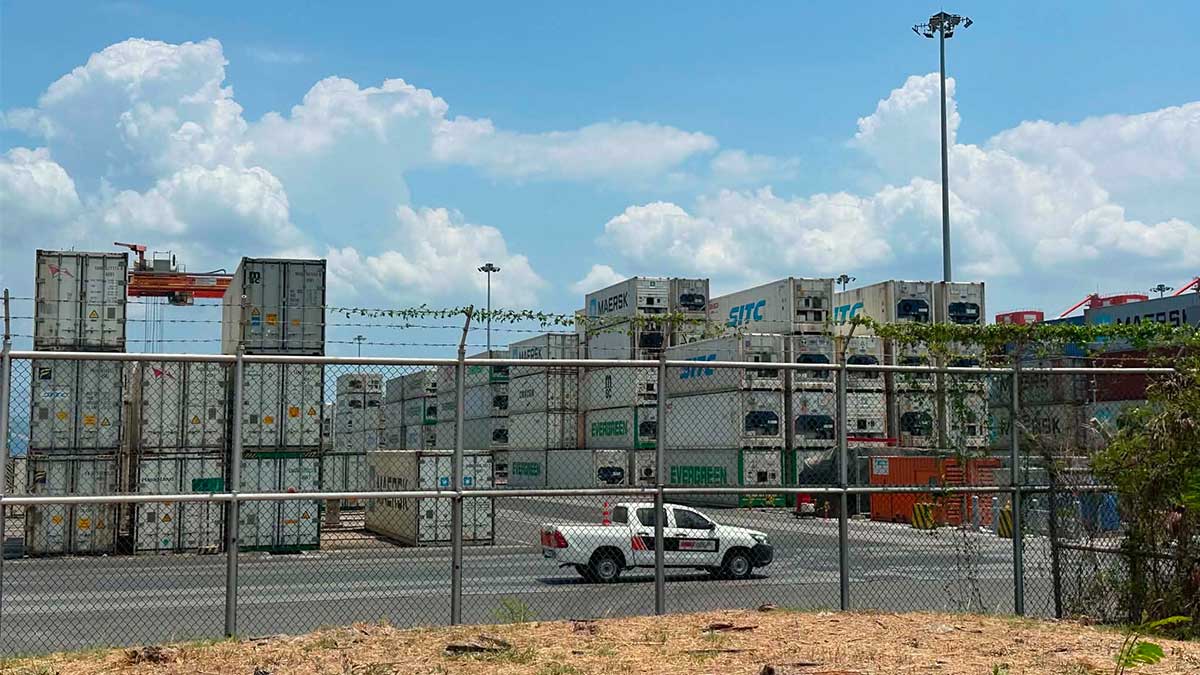
Bureau of Customs Clears 10 Overstaying Containers in Subic Freeport
The Bureau of Customs (BOC) has removed 10 overstaying refrigerated containers from the Port of Subic, addressing port congestion and environmental/public health concerns. These containers, carrying spoiled cargo, were emitting foul odors and posing risks.
SUBIC BAY FREEPORT, Philippines — The Bureau of Customs (BOC) has removed 10 overstaying refrigerated containers loaded with spoiled, foul-smelling cargo from the Port of Subic as part of efforts to decongest the port and address environmental and public health concerns. Subic District Collector Geniefelle Lagmay said seven of the containers had already been disposed of, while three more were undergoing condemnation proceedings. “One of my priorities is to consistently comply with the marching orders of Commissioner Ariel Nepomuceno, which is to decongest the Port of Subic and immediately dispose of the overstaying containers that have been causing foul odors and posing environmental and public health concerns,” Lagmay told the Inquirer on June 26. READ: SBMA faces suit over stench from overstaying containers A total of 118 refrigerated containers had remained at the port beyond the allowable storage period. As of June 26, 108 containers were still in the container yard, although another six had already been processed for pullout and disposal. According to BOC, it will dispose of five to 10 containers weekly to speed up the clearing of overstaying cargo. READ: Subic port begins disposing of rotten cargo from overstaying containers “The condemnation and disposal activities have already helped mitigate the environmental impact of the overstaying cargo,” Lagmay said. Terminal operators and nearby businesses have been complaining about the strong odor from decomposing cargo. The issue has also reached the courts after Brighterday Subic Ltd. Inc., operator of nearby All Hands Beach resort, sued the Subic Bay Metropolitan Authority (SBMA), saying the stench drove away guests and disrupted business. The lawsuit also disputed SBMA’s claim that the matter falls solely under the BOC’s jurisdiction, arguing that under Republic Act No. 7227, the agency has authority over port operations and facilities within the Subic Bay Freeport. Lagmay added that authorities could not yet provide a definite timeline for clearing all the affected containers since the process must comply with existing laws, regulations and safety protocols. /cb
多角的分析
このニュースは、港湾の非効率性と、それが引き起こす経済的損失の側面を浮き彫りにしています。滞留コンテナは保管料の発生だけでなく、港湾運営の遅延、貨物の劣化による価値の喪失、そして新たな貨物の受け入れ能力の低下を招きます。BOCが週に5〜10基のコンテナを処分する方針は、この問題の深刻さと、迅速な解決に向けた取り組みを示唆していますが、根本的な原因である輸入手続きの遅延や、貨物の滞留を防ぐための規制緩和、あるいはインフラ整備の必要性を示唆しているとも考えられます。これにより、フィリピンの貿易コストの増加や、サプライチェーンのボトルネックとなる可能性もあります。
投資家にとって、この問題はフィリピンの港湾運営の効率性と、規制当局の対応能力に関する懸念材料となります。スービック港のような主要な物流ハブにおけるコンテナの滞留は、サプライチェーンの遅延リスクを高め、輸入業者や輸出業者のコスト増加に直結します。訴訟に発展している事実は、問題解決の複雑さと、関係機関間の連携不足を示唆しており、これが長期化すれば、フィリピンへの投資リスクとして認識される可能性があります。特に、港湾インフラや物流関連企業への投資を検討している場合、こうした運用上の課題は慎重な評価を要します。
悪臭問題は、スービック湾自由貿易港周辺の地域住民や、リゾート事業者の生活に直接的な影響を与えています。All Hands Beachリゾートの訴訟は、環境汚染が地域経済や観光業に与える打撃を明確に示しています。悪臭は、住民の健康被害や生活の質の低下を招くだけでなく、観光客の減少という形で地域経済にも悪影響を及ぼします。これは、港湾運営における環境保護と公衆衛生への配慮が、地域社会との共存においていかに重要であるかを示しています。市民は、単なる物流の円滑化だけでなく、自分たちの生活環境の改善を求めています。
スービック湾自由貿易港周辺の住民や、All Hands Beachリゾートのような事業者は、港湾に滞留する悪臭を放つコンテナによって、健康被害や経済的損失に直面しています。リゾート運営者は、悪臭が客足に影響を与え、事業を妨げているとして、スービック湾開発庁(SBMA)を提訴しました。これは、港湾の運営が地域社会の生活環境や経済活動に直接的な影響を与えることを示しています。市民は、港湾の混雑緩和と環境改善を求めており、BOCによるコンテナ処分は歓迎すべき動きですが、根本的な解決と持続的な環境保全が求められています。
背景・歴史的文脈
フィリピンでは、港湾の混雑とそれに伴う貨物の滞留は、長年にわたる構造的な問題です。特に、輸入貨物の通関手続きの遅延、港湾インフラの能力不足、関係機関間の連携不足などが原因として指摘されてきました。過去には、マニラ港などでも同様のコンテナ滞留問題が発生し、悪臭や環境汚染が社会問題化した事例があります。2019年には、マニラ港の混雑緩和のために、一部のコンテナをスービック港に移送する試みも行われましたが、根本的な解決には至っていません。今回のスービック港の件は、こうした過去の教訓が十分に活かされていない可能性を示唆しています。
原文ソース
Inquirer NewsInfo