General articles are free for 24 hours after publish.
Gov't Criticized for Slow Pace on Nuclear Power Option
Pangasinan 2nd District Rep. Mark Cojuangco criticized the national government for its perceived inaction on the Bataan Nuclear Power Plant (BNPP). He expressed disappointment over the government's slow pace in considering nuclear energy as an option, urging for a firm decision.
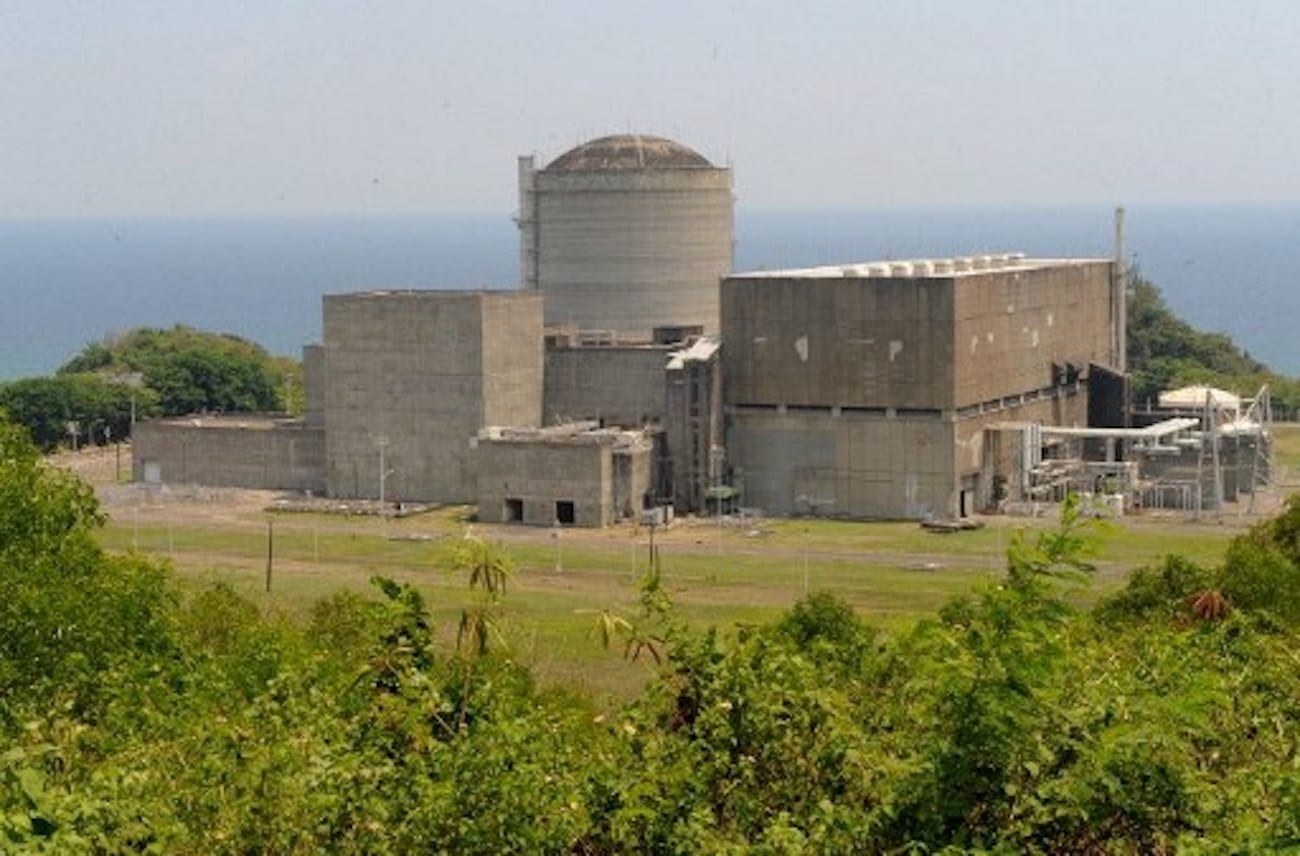
MORONG, Bataan — Pangasinan 2nd District Rep. Mark Cojuangco has criticized the national government for what he described as its slow pace in pursuing the nuclear energy option, particularly concerning the Bataan Nuclear Power Plant (BNPP) located in this coastal town. Speaking to reporters during a tour of the BNPP facilities on Thursday, Cojuangco expressed his disappointment with the government's lack of "firm resolve" to operate the nuclear facility. He stressed the need for the government to seriously consider and make a swift decision on harnessing nuclear power. Philippines faces a dual challenge of enhancing energy security and meeting its growing electricity demand. While the country is pursuing renewable energy sources, securing a stable power supply remains a pressing issue. Nuclear energy is seen by some as a viable option due to its high power generation capacity and low carbon emissions. The BNPP, built in the early 1980s, was never commissioned due to political and economic issues. Hurdles such as safety concerns and local community opposition remain significant obstacles to its potential reactivation. Cojuangco's remarks reflect a sentiment among some politicians and industry stakeholders who believe the government should adopt a more proactive stance on nuclear energy. The Philippines' energy policy is in need of diversification, given its current reliance on fossil fuels. Reconsidering nuclear power could contribute to optimizing the long-term energy mix, but its realization requires substantial technical, economic, and socio-political consensus.
Original source
Inquirer NewsInfo