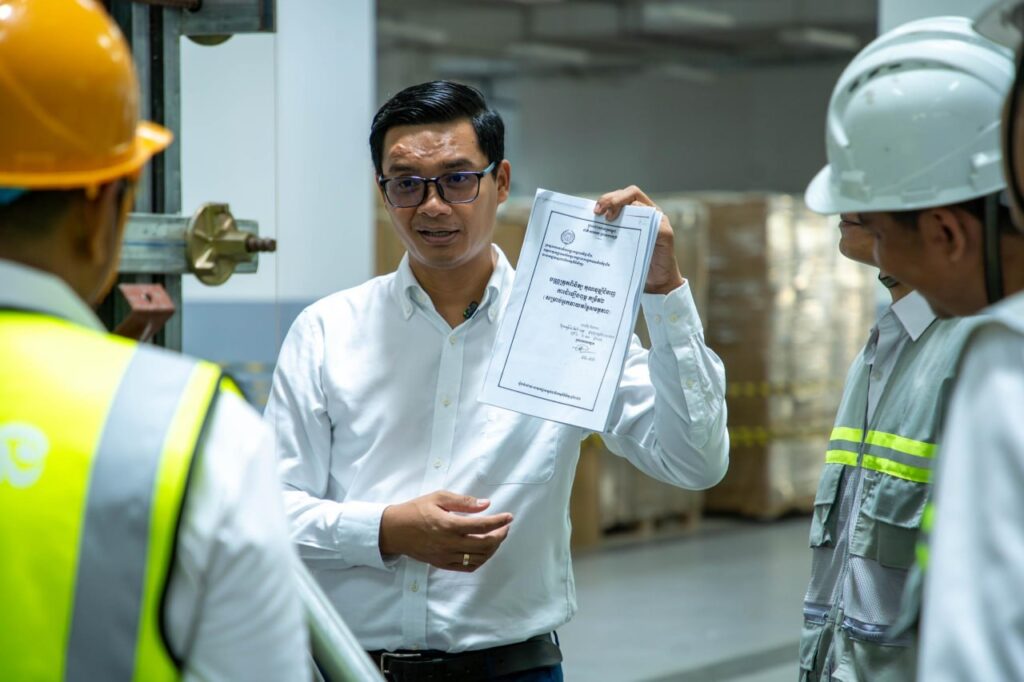
Cambodia to Implement Skills Recognition for Thai Ex-Migrant Workers in 8 Construction Fields
Infrastructure
2026年7月16日
5
Kampuchea Thmey Local
Relations
🇰🇭Cambodia🇹🇭Thailand

Cambodia to Implement Skills Recognition for Thai Ex-Migrant Workers in 8 Construction Fields

AI サマリー

Cambodia is launching a 'Recognition of Prior Learning' (RPL) program to formally certify the skills of former migrant workers returning from Thailand. Starting April 2026, free skills assessments will be offered in eight construction fields to enhance domestic employment opportunities and wages. This initiative aims to improve the quality of the workforce and contribute to economic development.

The Cambodian government is set to implement a 'Recognition of Prior Learning' (RPL) program to officially certify the skills of former Cambodian migrant workers who worked in Thailand. Following the directive of Prime Minister Hun Manet, the Ministry of Labour and Vocational Training will conduct free skills assessments for eight specialized fields within the construction sector starting April 2026. This initiative aims to facilitate better employment opportunities and higher incomes for returning workers within the country. RPL refers to the process of recognizing and validating competencies acquired outside formal education and vocational training systems, leading to certification. Sun Messa, spokesperson for the Ministry of Labour and Vocational Training, highlighted the benefits of RPL, stating that it acknowledges the knowledge and experience gained by former workers in the Thai construction industry. This will make it easier for them to find suitable jobs domestically and earn better wages. Furthermore, Sun explained that this program not only provides returning workers with skill certificates but also contributes to the private sector by improving the quality of the construction workforce and supporting national economic development. Private enterprises will be able to recruit personnel with clearly defined, officially recognized skills that meet established standards. The eight recognized specializations include bricklaying and plastering, tiling, formwork installation, plumbing installation, electrical wiring installation within buildings, scaffolding, rebar installation, and electric welding. These are identified as highly demanded skills in the Cambodian labor market. "I continue to urge our brothers and sisters, former migrant workers who have returned, to quickly register for free skills assessments to obtain official certificates and enter the domestic job market with confidence, utilizing the results of these assessments," urged the spokesperson. The skills testing will be conducted at nine assessment centers across the country. These include the National Polytechnic Institute of Cambodia (NPIC), National Technical Training Institute (NTTI), Preah Kossomak Polytechnic Institute (PPI), Industrial Technology Institute (ITI), National Polytechnic Institute of Angkor (NPIA) in Siem Reap province, Regional Polytechnic Institute Techo Sen Svay Rieng (RPITSSR) in Svay Rieng province, Battambang Institute of Technology (BIT) in Battambang province, Polytechnic Institute of Banteay Meanchey (PIBMC) in Banteay Meanchey province, and Regional Polytechnic Institute Techo Sen Takéo (RPITST) in Takéo province. Source: Kampuchea Thmey Local

多角的分析

経済的影響

このRPL制度は、カンボジア国内の建設分野における技能労働者不足を緩和し、労働力の質を向上させることで、建設プロジェクトの効率化とコスト削減に貢献する可能性がある。特に、タイでの実務経験を持つ労働者は、国際的な基準に近い技能を有していると期待され、国内産業の近代化を促進する触媒となり得る。また、認定された技能は、より高い賃金交渉力につながり、労働者の所得向上を通じて国内消費の活性化にも寄与するだろう。これは、カンボジアが製造業・建設業を基盤とした経済成長を目指す上で、重要な人的資本投資と見なせる。

投資家心理

建設分野における技能労働者の公式な認定は、投資家にとってリスク低減要因となる。これにより、プロジェクトの遅延や品質問題を引き起こす可能性のある技能不足のリスクが軽減される。特に、大規模インフラプロジェクトや不動産開発に関心を持つ海外投資家にとって、熟練した労働力の安定供給は投資判断における重要な要素である。RPL制度は、カンボジアの建設業界全体の信頼性を高め、さらなる国内外からの投資を呼び込むための基盤整備として評価されるだろう。

社会的影響

タイからの帰還労働者にとって、このRPL制度は、長年の労働経験が公式に認められることで、社会的な地位の向上と経済的な安定につながる重要な機会となる。これまで非公式な形で行われてきた技能の評価が、国によって公式に証明されることで、国内での就職活動において有利になり、不当な低賃金労働から解放される可能性が高まる。これにより、彼らの自信回復と社会復帰が促進され、家族の生活改善にも貢献することが期待される。また、若年層が海外での労働経験を積むことへのインセンティブにもなり得る。

市民の声

タイで働いていた多くのカンボジア人労働者にとって、このRPL制度は大きな恩恵をもたらす可能性があります。彼らがタイで培った建設技術が公式に認められることで、国内での就職活動が有利になり、より良い条件で働く機会が増えるでしょう。これは、単に収入が増えるだけでなく、社会的な信用を得ることにもつながります。これまで、海外での経験が国内で正当に評価されにくいという課題がありましたが、この制度はそのギャップを埋めるものです。ただし、制度の周知徹底と、評価センターへのアクセスが容易であることが、全ての元労働者に行き渡るための鍵となります。

背景・歴史的文脈

カンボジアでは、長年にわたり多くの国民が、より高い賃金を求めてタイなどの近隣諸国へ出稼ぎに行っている。特に建設分野は、タイでカンボジア人労働者が多く従事する産業の一つである。しかし、これらの労働者が帰国した際、タイでの実務経験や習得した技能がカンボジア国内で公式に認められず、国内での就職やキャリアアップにおいて不利になるケースが少なくなかった。この問題に対処するため、政府は、労働者の技能を公式に評価・認定する制度の必要性を認識し、今回のRPL制度導入に至った。これは、国内産業の発展に必要な熟練労働者を確保し、帰還労働者の社会経済的安定を図るための政策的対応である。

原文ソース

Kampuchea Thmey Local

原文を読む