General articles are free for 24 hours after publish.
Peso sinks further past 62 to new low
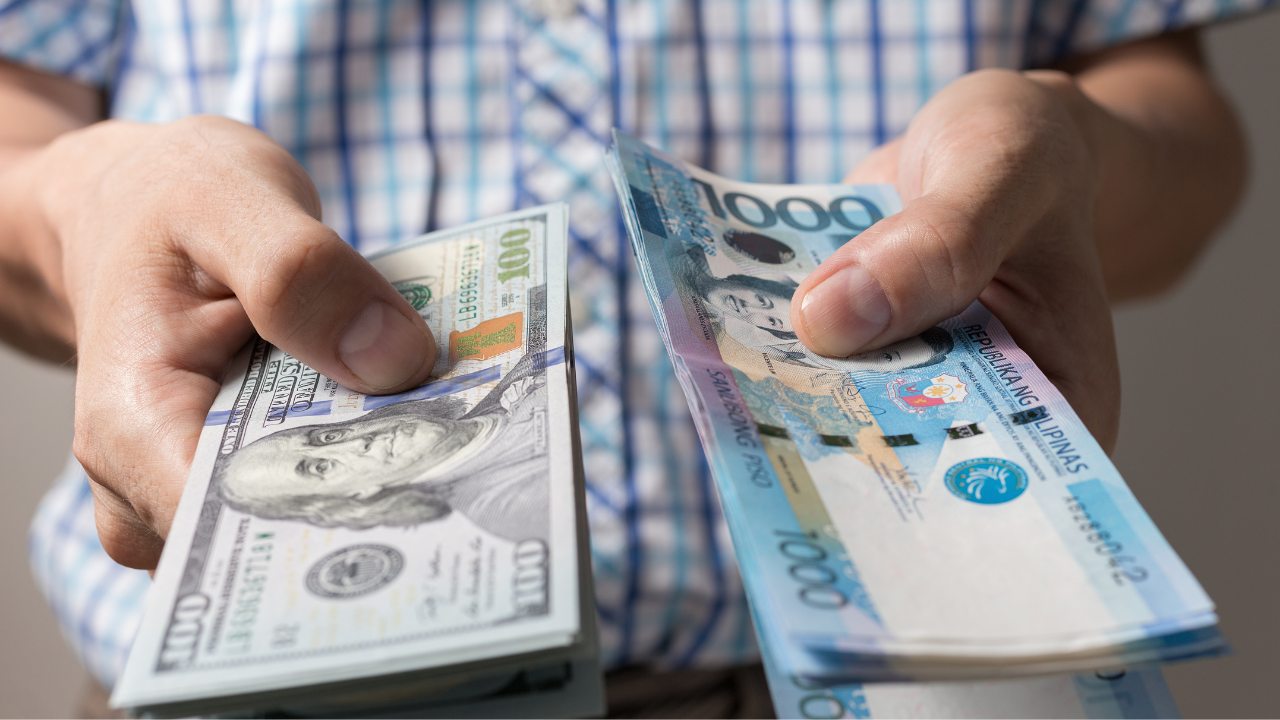
The Philippine peso hit a fresh record low against the US dollar, falling to 62.40 on Tuesday. Persistent high oil prices, geopolitical uncertainties, and a broadly stronger dollar weighed on the currency, overwhelming the central bank's recent interest rate hike.
MANILA, Philippines — The Philippine peso fell deeper into the 62-per-dollar territory on Tuesday, reaching another record low as higher oil prices, geopolitical uncertainty and a broadly stronger dollar weighed on the currency. The local currency shed 13 centavos from its previous closing to finish at 62.4 against the dollar, data from the Bankers Association of the Philippines showed. READ: Record-low peso hurting Filipino consumers That surpassed the previous record closing low of 62.27, set on Aug. 28. Trading volume dipped to $1.3 billion from nearly $2 billion in the prior session. The peso fell as the US dollar maintains its strength amid global uncertainties that are boosting demand for safe-haven assets. The depreciation also happened despite the Bangko Sentral ng Pilipinas’ decision last week to raise its benchmark interest rate by a quarter of a percentage point to 5 percent, its third increase since April. The central bank said the move was intended to “preempt” emerging risks to the inflation outlook. The latest weakness instead reflected forces beyond the central bank’s control, analysts and traders said. “The peso’s weakness is still largely an external story, driven by high oil prices, a strong dollar and geopolitical risk,” a trader said. “The break above 62 has also added momentum to the move. Near term, the peso could remain under pressure, but some recovery is possible once oil and global risk sentiment stabilize.” Ruben Carlo Asuncion, chief economist at UnionBank of the Philippines, shared the same view. “These developments have encouraged investors to shift toward dollar assets while increasing inflation and import cost concerns for oil-importing economies such as the Philippines,” Asuncion said. “Sustained strength in the dollar, elevated global yields, and higher energy prices could keep the currency on the defensive.” READ: PH inflation seen staying above 6% in 2026 A weaker peso can provide some relief to Filipino households receiving money from relatives working overseas, as dollar remittances convert into more pesos. Exporters can also benefit because their goods become cheaper in foreign-currency terms. But the costs are more immediate for importers, consumers and borrowers with dollar-denominated obligations. A weaker currency makes imported goods and fuel more expensive and increases the peso value of foreign-currency debt. The Philippines’ debt-service burden reached $6.2 billion in the first five months of the year, up nearly 5 percent from the same period a year earlier, according to the latest data from the central bank. Asuncion said the peso could remain under pressure in the near term as investors await economic data from the United States. Still, he said several sources of foreign exchange earnings could help limit the currency’s swings. INQ
Original source
Inquirer Business