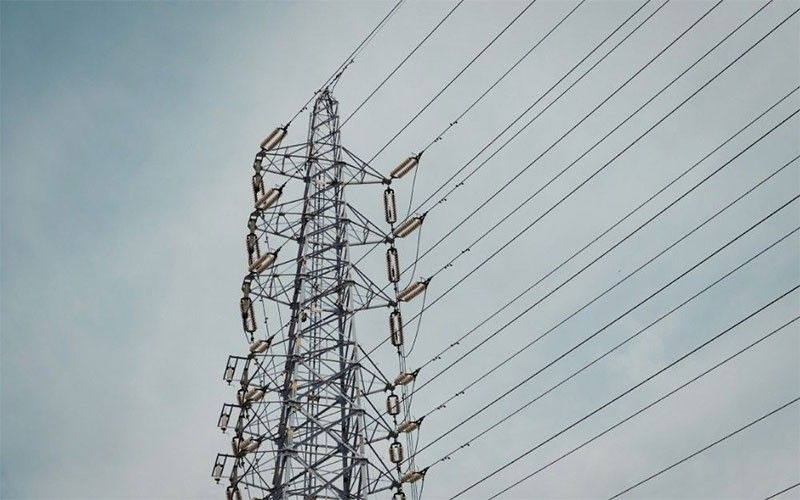
Visayas Power Woes: Think Tank Points Finger at DOE Accountability
A Philippine think tank has identified the Department of Energy (DOE) as ultimately accountable for recurring grid alerts and power outages in the Visayas region, citing the agency's mandate to update the national Power Development Plan.
MANILA, Philippines — Who should ultimately be held accountable for the recurring grid alerts and power outages in the Visayas? For Iloilo-based think tank Institute of Contemporary Economics (ICE), accountability rests with the Department of Energy (DOE), the very agency mandated to annually update the country’s Power Development Plan. “The power system has many actors, but it still requires a lead institution responsible for whether the whole chain produces a reliable outcome. That lead institution is DOE,” ICE said in its latest report on the region’s recurring grid alerts. The strain on the Visayas power system has been felt across the region, including Iloilo City, where outages affected consumers served by Primelectric Holdings. While Primelectric’s modernization efforts may have helped cushion the fallout from repeated outages, ICE stressed that a resilient local network alone is “not sufficient” to address challenges rooted across the entire power chain. “Modernizing the local distribution network reduces local failures, improves response and strengthens the last mile, but it cannot substitute for generation reserves, transmission deliverability or system-wide planning,” it said. Reliable electricity, the think tank noted, can only be achieved when the “full chain performs.” And that is where DOE’s role becomes critical, as it is the institution legally positioned under the Electric Power Industry Reform Act to align the entire sector. “When recurring MLD (manual load dropping) shows that generation availability, reserves, transmission deliverability and distribution implementation are not producing reliable service, the accountability question begins with the DOE,” ICE said. Since May, consumers across the Visayas have faced recurring grid alerts due to high electricity demand and the continued shutdown of several power plants. The prolonged supply strain has forced the implementation of MLD or rotational brownouts to manage pressure on the system. Between June 2 and June 19, the ICE report found that seven power interruptions were not “ordinary local outages” but grid-security events. Beyond households, the problem also carries economic risks. In Iloilo alone, each recurring MLD is estimated to place roughly P12.7 million in economic output at risk. “A modern power system is not one that merely restores service after interruption. It is one built with enough redundancy, automation, reserve capacity and coordination to prevent avoidable curtailment,” the report said. Since taking over power distribution operations in Iloilo City in 2020, Primelectric has invested P2.65 billion in grid modernization.
多角的分析
ビサヤ地方の電力不足は、単に家庭生活に影響を与えるだけでなく、地域経済に直接的な打撃を与えている。ICEの報告にあるように、イロイロ市だけで1回のローテーション停電が約1,270万ペソの経済的損失をもたらすと推定されることは、その深刻さを示している。これは、製造業、サービス業、特に電力供給に依存するBPO(ビジネス・プロセス・アウトソーシング)産業などに、生産性の低下、機会損失、そして場合によっては事業継続の危機をもたらす可能性がある。長期的な電力供給の不安定さは、新規投資の抑制や既存企業の事業移転を招き、地域経済の成長を阻害する要因となりうる。
電力供給の不安定さは、フィリピン、特にビサヤ地方への投資を検討する投資家にとって、重大なリスク要因となる。発電、送電、配電の各段階における計画不足や予備力不足は、事業運営の予測可能性を低下させる。特に、電力消費量の多い製造業やデータセンターなどのインフラ投資を伴う事業は、安定した電力供給が不可欠であるため、投資判断に消極的になる可能性がある。DOEによる電力開発計画の遅延や不備は、エネルギーセクター全体への信頼を損ない、国内外からの資本流入を抑制する恐れがある。
ビサヤ地方の電力不足は、市民の日常生活に深刻な影響を与えている。停電は、家庭での家電製品の使用を制限するだけでなく、通信、交通、医療サービスにも影響を及ぼす可能性がある。例えば、イロイロ市でプライムエレクトリックがサービスを提供する地域では、停電が消費者生活を圧迫している。また、ローテーション停電は、人々の活動計画を狂わせ、ストレスや不便を増大させる。特に、電力に依存するビジネスを営む小規模事業者や、自宅で仕事をする人々にとっては、収入や生計に直接的な影響を与える可能性がある。
ビサヤ地方の市民は、頻繁な停電と電力網の不安定さによって、日常生活に大きな支障をきたしている。イロイロ市のような地域では、プライムエレクトリックが近代化を進めているにもかかわらず、地域レベルでの対応だけでは、電力網全体の計画不足による問題を解決できていない。市民は、冷房が使えない、調理ができない、情報通信が途絶えるといった直接的な不便に直面するだけでなく、経済活動の停滞による物価上昇や雇用機会の減少といった間接的な影響も懸念している。電力供給の安定化は、市民生活の質を向上させる上で喫緊の課題である。
背景・歴史的文脈
フィリピンの電力問題は、長年にわたる構造的な課題を抱えている。1990年代後半から電力自由化が進められ、2001年の電気事業産業改革法(EPIRA)により、発電、送電、配電、小売の分離が進められた。この改革は、民間投資の促進と電力料金の効率化を目指したが、発電予備力の確保や送電網の近代化といったインフラ投資の遅れが指摘されてきた。特に、ビサヤ地方では、地理的な要因から電力網の連携が難しく、地域ごとの電力需給バランスの調整が課題となっている。今回のICEの報告は、EPIRAの下で電力セクター全体の計画と調整を担うDOEのリーダーシップの欠如が、これらの課題を悪化させているという過去の指摘を裏付けるものとなっている。
原文ソース
Philstar Business