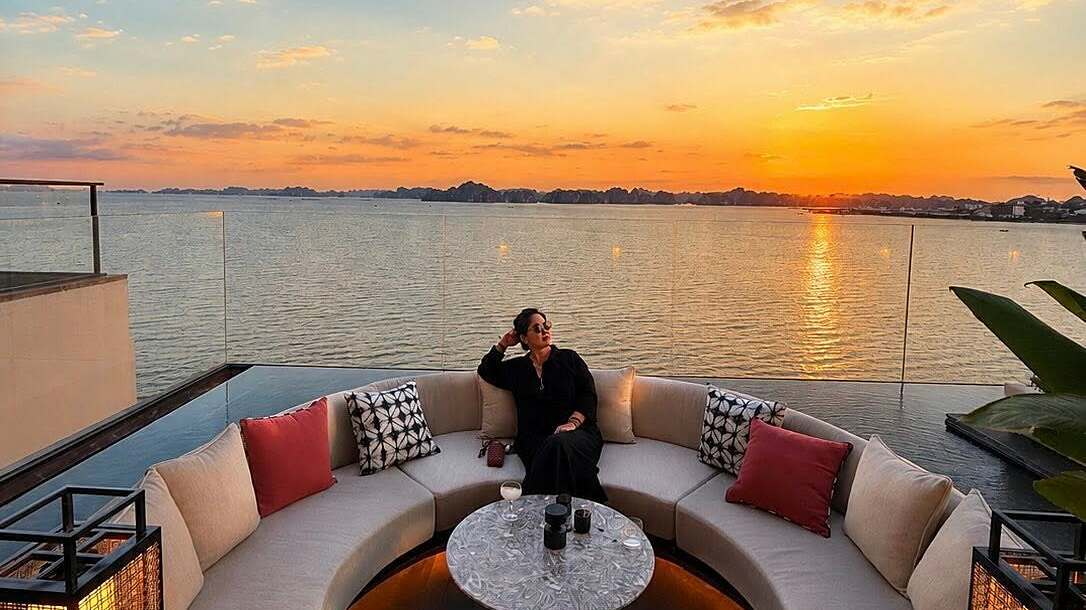
Halong Bay's Dual Charm: Exploring Bai Chay and Hon Gai
Halong Bay is emerging not only as a world heritage site but also as a weekend getaway destination, offering two distinct experiences: the modern resort town of Bai Chay and the traditional, local atmosphere of Hon Gai. A 48-hour itinerary highlights the culinary, cultural, and scenic attractions of both areas.
Halong Bay, renowned as a UNESCO World Heritage site, is increasingly recognized as a prime weekend destination due to its dual appeal: the modern resort town of Bai Chay and the traditional, local atmosphere of Hon Gai. Located just over two hours from Hanoi via expressway, Halong Bay offers a perfect escape for short breaks. The unique charm lies in experiencing two distinct environments separated by the Bai Chay Bridge. Bai Chay represents modernity with its array of resorts, beaches, and entertainment complexes. In contrast, Hon Gai captivates visitors with its time-honored culinary streets, spiritual sites, and the everyday rhythm of coastal life. The two areas are approximately 5-7 km apart, a 10-15 minute drive, making it easy for tourists to combine sightseeing, dining, and relaxation within a single itinerary using private cars, taxis, or electric buggies. A suggested 48-hour exploration plan includes: Day 1: Morning: Start the day in Bai Chay's Cai Dam area with Bun Cu Ky, a noodle dish featuring 'cu ky,' a crab-like seafood known for its firm flesh and rich roe. The broth, made from ground cu ky, offers a deep, savory flavor. Afternoon: Enjoy handcrafted dim sum and seafood at Yulong Mansion, prepared by a Cantonese-inspired chef. Afterward, head to Hon Gai to visit Long Tien Pagoda and Tran Quoc Nghien Temple, located at the foot of Bai Tho Mountain, significant spiritual landmarks of the historically industrial region. Evening: Visitors have two options: enjoy cocktails at the Sky bar on the 10th floor of Roku restaurant for panoramic bay views, or embark on a 4-hour night cruise (VND 950,000 per person) to admire Halong Bay under the stars and enjoy a buffet. Late at night in Hon Gai, head to Oc Giat Gu, opposite the Quang Ninh Museum, for grilled sea snails like 'oc su tu' and 'oc mat trang' with fish sauce. The eatery is open until 1 AM. Day 2: Morning: Enjoy breakfast at Goc Bang, a 40-year-old eatery in Hon Gai's Bach Dang ward, serving Banh Cuon Cha Muc. The steamed rice rolls are made fresh with shrimp, pork, and mushroom filling, while the 'cha muc' (grilled squid cake) is hand-pounded, offering a distinct texture. After breakfast, explore Cai Dam Market, a bustling hub for fresh seafood, dried squid, sea cucumbers, and packaged cha muc, ideal for souvenirs. Lunch: Return to the Hon Gai side for lunch at Hong Hanh family restaurant, offering a diverse menu of fresh seafood with prices starting from VND 500,000 per person. Advance reservations are highly recommended due to its popularity. Travel Tips: Accommodation: Staying in Bai Chay is recommended for convenient access to evening entertainment. Transportation: Besides private vehicles, limousine buses operating between Hanoi and Halong offer door-to-door service (VND 250,000-300,000 one way). Source: VnExpress
多角的分析
この記事は、ハロン湾における観光産業の多様化と地域経済への貢献を示唆している。バイチャイ地区の近代的なリゾート開発と、ホンガイ地区の伝統的な食文化や地域経済の結びつきは、観光収入を分散させ、地域経済の持続可能性を高める可能性を秘めている。特に、クーキーやチャムックといった地域特産品の活用は、付加価値を生み出し、観光客の消費意欲を刺激する要因となりうる。これは、ベトナム経済がサービス業、特に観光業に依存度を高めている現状において、地方経済の活性化策としても注目されるべき動きである。
ハロン湾における観光インフラの進化は、国内外の投資家にとって魅力的な機会を提供する。バイチャイ地区の近代的なリゾート開発は、すでに確立された投資先であるが、ホンガイ地区の伝統的な食文化や地域密着型観光への投資は、新たなニッチ市場を開拓する可能性を秘めている。特に、地域特産品を活用した食品加工、文化体験型ツアー、あるいはホンガイ地区のインフラ整備への投資は、長期的なリターンが期待できる。ただし、ホンガイ地区の潜在力を引き出すためには、地域住民との連携や、伝統文化を損なわない持続可能な開発が鍵となる。
ハロン湾の二つの顔、バイチャイの現代性とホンガイの伝統性は、地域住民の生活様式や価値観にも影響を与えている。バイチャイ地区の急速な開発は、地元住民の雇用機会を創出する一方で、生活環境の変化や、伝統的なコミュニティの維持という課題も生じさせている可能性がある。対照的に、ホンガイ地区では、伝統的な食文化や生活様式が比較的保たれているが、観光客の増加に伴うインフラ整備の遅れや、地域経済への恩恵が一部に偏る可能性も懸念される。住民が観光開発の恩恵を公平に受け、伝統文化が尊重されるような地域社会のあり方が問われている。
ハロン湾の観光開発は、地域住民の生活に直接的な影響を与える。バイチャイ地区では、リゾート開発に伴い、新たな雇用機会が生まれる一方で、土地利用の変化や物価の上昇といった生活コストの増加が懸念される。ホンガイ地区の住民は、伝統的な食文化や生活様式を維持しながら、観光客との交流を通じて新たな収入源を得る機会があるが、インフラの未整備や、観光客の増加による生活環境への影響も無視できない。住民が観光開発の恩恵を享受しつつ、自分たちの生活や文化を守っていくための、地域社会と行政の連携が重要となる。
背景・歴史的文脈
ハロン湾は1994年にユネスコ世界遺産に登録され、その景観の美しさからベトナムを代表する観光地となった。当初は、その自然遺産としての保護が最優先課題であったが、近年、ベトナム政府は観光業を経済成長の柱の一つと位置づけ、ハロン湾周辺地域の開発を加速させている。特に、バイチャイ地区は、2000年代以降、大規模なリゾート開発が進み、近代的な観光インフラが整備されてきた。一方、ホンガイ地区は、古くから漁業や鉱業で栄えた地域であり、伝統的な生活様式や食文化が残るエリアとして、新たな観光資源として注目されるようになった。この二極化は、ベトナムが経済発展と文化遺産保護のバランスを取りながら、観光立国を目指す過程で生じている現象と言える。
原文ソース
VnExpress