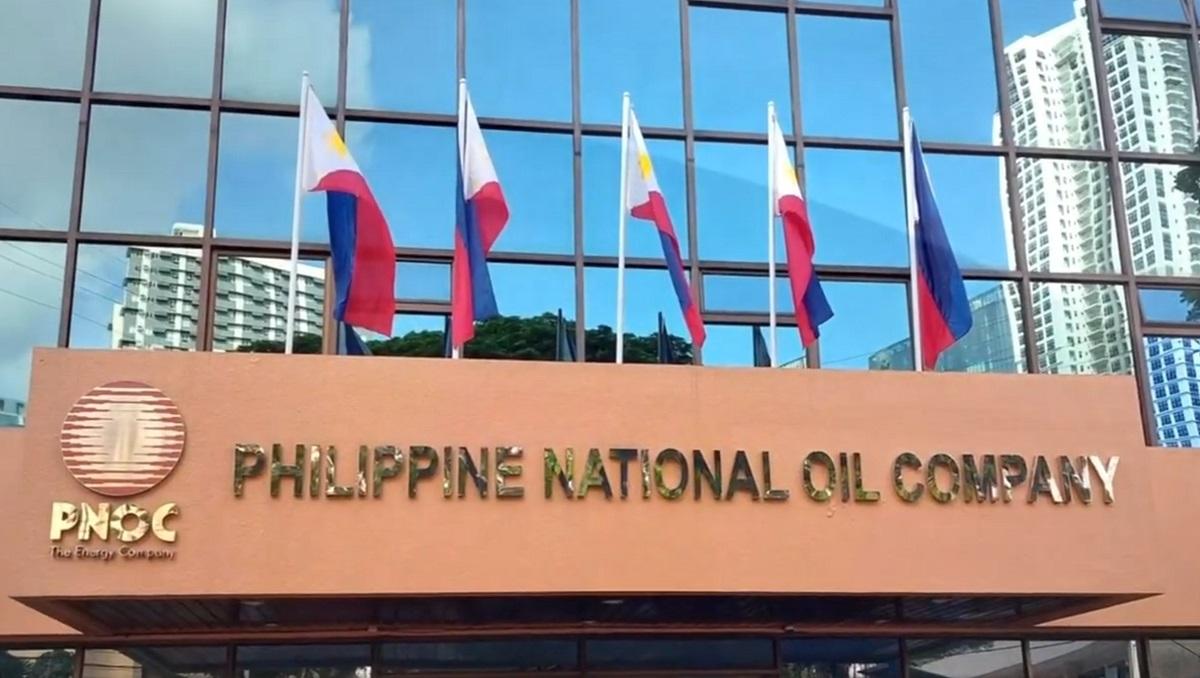
PH eyes strategic petroleum reserve facility in Bataan, Mindanao
The Philippines announced that a feasibility study for a potential strategic petroleum reserve facility in Bataan, with a capacity of 15 million barrels, is expected to be completed by the end of 2026. A similar facility is also planned for Mindanao, aiming to enhance energy security.
The Philippine National Oil Company (PNOC), tasked to implement the proposed national oil stockpiling program, on Thursday said the feasibility study for a possible strategic petroleum reserve facility in Bataan will be completed by the end of the year. This was divulged by PNOC Corporate Secretary Antonio Buenviaje during the Senate Committee on Energy’s public hearing on measures amending the Downstream Oil Industry Deregulation Act of 1998 and establishing the Philippine Strategic Petroleum Reserve. In particular, Buenviaje said PNOC is in coordination with Japan’s Ministry of Economy, Trade and Industry “to have a feasibility study for a 15-million barrel reserve in Bataan by the end of 2026.” Last month, Energy Secretary Sharon Garin announced that sovereign wealth fund Maharlika Investment Corporation (MIC) and PNOC are finalizing an agreement on a national oil stockpiling program. A national oil stockpile is a strategic reserve of crude oil and refined petroleum products maintained by the government. EXPLAINER: What is national oil stockpiling? It is akin to an emergency fund, but instead of cash, the government will holds millions of barrels of oil designed as buffer against sudden disruptions such as geopolitical conflicts, natural disasters, and extreme price volatility. A national oil stockpile is different from the fuel inventories maintained by the industry, which are mandated to maintain 15 days' worth of stock requirement. The release of the national oil stockpile to the market could be triggered by the government when global oil supplies are choked to ensure supply continuity and prices are stable. Buenviaje added that another study will be conducted after the study for Bataan strategic fuel reserve facility is completed. “That’s for the establishment also of [another] 15 million-barrel reserve somewhere in Mindanao,“ he said. For the Philippines’ national oil stockpile, Garin earlier gave an indicative cost and timeline, but said that an estimated P5 billion would be needed to build a system that would carry some 500,000 to 1 million barrels. During the hearing, the Energy chief said if the pilot would be for one million-barrel of strategic fuel reserve, the construction of the facility would take about one year, noting that possible completion might be within the last quarter of 2027 or the first quarter of 2028. The Japanese government has expressed support for the Philippines’ planned national petroleum reserve program, committing to provide technical assistance and assist with feasibility studies and capacity-building programs, drawing on its extensive experience in strategic petroleum reserve development. The Energy Department said feasibility studies, site evaluations, financing options, and implementation models are now being developed. Initial assessments indicate that the project may be implemented in phases, allowing the government to gradually build strategic inventories over time. A technical mission involving Japanese government institutions and private sector partners is expected to visit the Philippines later this year to support planning and feasibility activities. — BM, GMA News
多角的分析
フィリピンは、エネルギー供給の安定化と価格変動リスクの低減を目指し、戦略的石油備蓄施設の建設を推進している。これは、原油価格の国際的な変動や地政学的なリスクが国内経済に与える影響を緩和するための重要な経済安全保障策である。建設および維持には多額の初期投資と継続的な運営コストが必要となるが、供給途絶時の経済的損失を回避できる可能性を考慮すれば、長期的には経済的合理性があると見込まれる。また、このプロジェクトは、エネルギー関連インフラへの投資を促進し、関連産業の雇用創興にも寄与する可能性がある。
戦略的石油備蓄施設の建設は、エネルギーインフラ分野への投資機会を創出する可能性がある。特に、建設、運用、保守に関わる企業にとっては、新たなビジネスチャンスとなる。また、エネルギー供給の安定化は、フィリピン経済全体の予測可能性を高め、国内外からの投資を呼び込む上でプラスに働く可能性がある。ただし、プロジェクトの規模、資金調達方法、および運営体制に関する詳細な情報が、投資判断には不可欠となる。日本からの技術支援は、プロジェクトの信頼性を高める要因となりうる。
戦略的石油備蓄施設の建設は、国民の生活に直接的な影響を与える可能性がある。エネルギー供給の安定化は、ガソリン価格の急激な高騰や品不足といった事態を防ぎ、家計の負担を軽減する一助となる。特に、運輸業や物流業に依存する地域経済にとっては、安定した燃料供給が事業継続の鍵となる。一方で、建設地の選定や環境への影響、地域住民への説明責任などが、社会的な合意形成において重要な課題となる。バターンやミンダナオといった地域でのインフラ整備は、地域経済の活性化に繋がる可能性もあるが、その恩恵が公平に分配されるかどうかも注視されるべき点である。
国民、特に一般市民にとっては、戦略的石油備蓄は、ガソリン価格の安定化や、突然の燃料不足による生活への影響を最小限に抑えるための「安心」に繋がる。フィリピンでは、原油価格の変動がガソリン価格に直接影響し、それが物価全体に波及するため、備蓄は家計にとって重要な意味を持つ。しかし、このプロジェクトの恩恵が、地方の農村部や低所得者層にまで公平に届くのか、また、建設に伴う環境負荷や土地収用などの問題が、地域住民の生活にどのような影響を与えるのか、といった点は、市民の視点から懸念されるべき事項である。
背景・歴史的文脈
フィリピンは、エネルギー資源の多くを輸入に頼っており、国際的な原油価格の変動や供給途絶のリスクに常に晒されている。特に、南シナ海における地政学的な緊張の高まりは、海上輸送ルートの安全保障に対する懸念を増幅させている。過去にも、中東情勢の緊迫化や自然災害などにより、国内の燃料供給が不安定になった経験がある。こうした背景から、エネルギー自給率の向上と供給網の安定化は、フィリピン政府にとって長年の課題であった。国家石油備蓄プログラムは、こうした課題に対処し、経済的・政治的な安定を確保するための戦略的な一環として位置づけられている。日本は、自国の戦略的石油備蓄の運用経験が豊富であり、フィリピンへの技術支援は、両国のエネルギー安全保障協力の一環として進められている。
原文ソース
GMA Money Philippines