General articles are free for 24 hours after publish.
Indonesia's Shadow Economy Grows, Threatening Tax Revenue and Legal Industries
Indonesia's shadow economy has reached 23.8% of its GDP, more than double the global average, severely impacting legal industries and national tax revenue. Experts emphasize the urgent need for regulatory reform and stronger law enforcement.
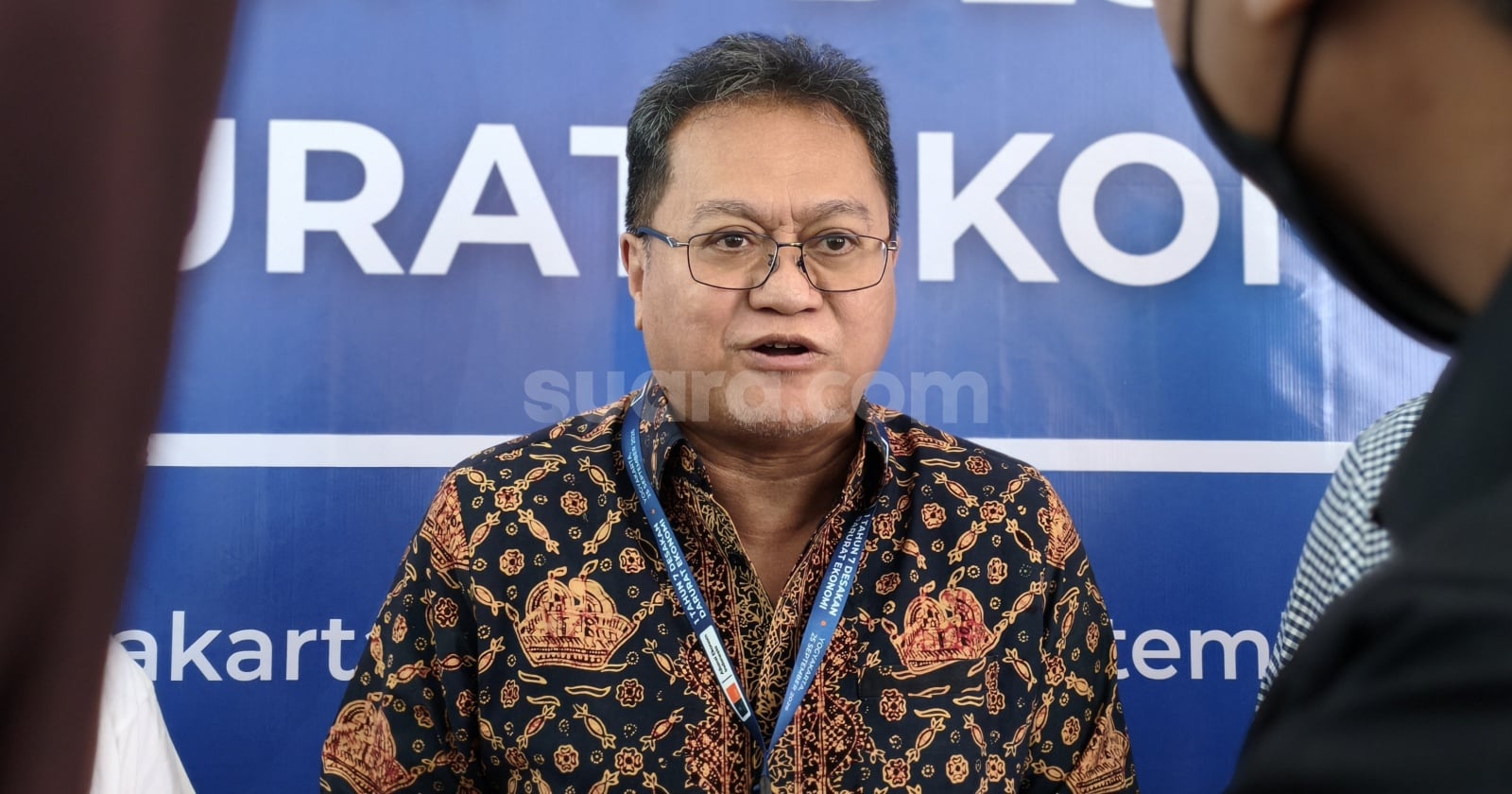
The practice of a shadow economy, or informal economy, in Indonesia continues to show an alarming upward trend, posing a significant threat to the sustainability of national industries. This phenomenon not only erodes legal industries that adhere to regulations but also drastically diminishes the state's tax revenue base year after year. According to Wijayanto Samirin, an economist from Paramadina University, a recent global report from Ernst & Young (EY) indicates that Indonesia's shadow economy has reached 23.8 percent of its GDP. This figure is considered high compared to the global average of around 11.8 percent. "The world average is 11.8 percent. So, 23.8 percent is in Indonesia. Well, I think the shadow economy is getting higher and higher over time," said Wija when met at FEB UGM on Friday (25/9/2026). The large size of this figure is driven by the widespread prevalence of various informal economic activities and illegal transactions circulating widely among the public. These activities include the trade of illegal products, illegal online loans, online gambling, and smuggled goods. These illegal activities can sell goods at very low prices because they are exempt from tax obligations. This situation creates unhealthy competition and severely impacts legal business actors who comply with the law. "This makes the legal economy smaller and smaller over time, while the illegal one never pays taxes but is competitive. What's the impact? Well, our tax revenue is shrinking more and more," he explained. On the other hand, economists' concerns are growing with the introduction of new regulations perceived to facilitate money laundering from shadow economy activities. Provisions in Article 50A of the P2SK Law are suspected of providing strong legal protection for owners of illegal capital to convert their illicitly obtained money into legal assets through the "Obligasi Patriot Merah Putih" (Red and White Patriot Bonds). This condition is exacerbated by poor law enforcement, complex bureaucracy, and the involvement of powerful individuals who also shield these illicit practices. The industrial sector, such as cigarettes, has even recorded illegal product circulation reaching 14 percent. "The illegal economy, the shadow economy, why is it growing? Because of poor law enforcement, because of complicated regulations, and because there are parties with power who are colluding to protect it," he stated. "So, this is indeed a priority. If we want to build a proper industry and continue industrialization, the shadow economy must be ended," he added. Yose Rizal Damuri, Executive Director of the Centre for Strategic and International Studies (CSIS), added that the shadow economy issue is not solely filled by premeditated criminal acts but can also be triggered by a very rigid domestic business climate. Rigid regulations and high tax burdens and minimum wages force many business actors to choose informal channels to survive. "A portion of the shadow economy itself may not be truly criminal, perhaps not something intentionally directed, but it occurs because our business climate, our business environment, is very restrictive, forcing various economic actors to choose to become part of the shadow economy," Yose emphasized. This condition is further worsened by the high demand from communities struggling to find employment and access to formal financial services. These limitations ultimately force citizens to utilize illegal financial services, even though they realize it will lead to future losses.
Original source
Suara.com