General articles are free for 24 hours after publish.
The Unfulfilled Promises of the Afghanistan War: Five Years After the Evacuation
Five years after the US withdrawal from Afghanistan, American personnel involved in the evacuation grapple with 'moral injury' stemming from a sense of responsibility towards Afghans left behind. Those Afghans continue to rebuild their lives, leaving a complex emotional legacy for both sides.
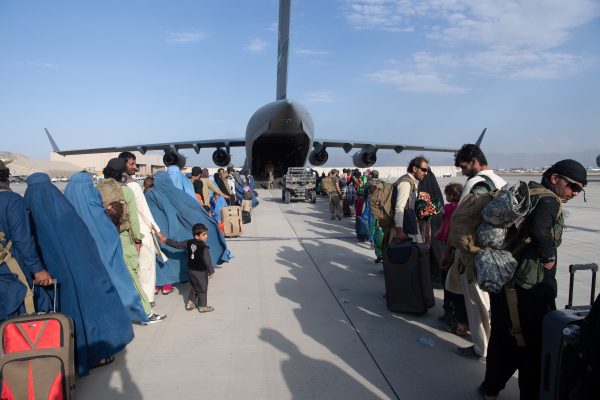
Five years after the U.S. withdrawal from Afghanistan, the relationships forged during two decades of war continue to weigh heavily on those involved. During the chaotic final days of the Taliban's takeover in August 2021, U.S. military personnel evacuated approximately 123,000 people. They faced the ultimate choices of who to let through the gate and who to turn away, knowing these decisions would alter lives. Even after the last U.S. aircraft departed Afghanistan, questions lingered for them: Who could they have helped? Who was left behind? Psychologists refer to such experiences as 'moral injury' – the psychological and ethical harm resulting from witnessing, participating in, or being unable to prevent actions that violate one's deeply held moral beliefs and values. In the context of the Afghanistan war, this manifests as a burden of responsibility, helplessness, a sense of betrayal, and the pain of unfulfilled promises. For twenty years, Americans and Afghans worked together towards a shared mission, building trust through shared danger. However, with the Taliban's return to power in August 2021, much of that progress vanished almost overnight. Lida Kharooti Sayeed, a former judge on Afghanistan’s Anti-Corruption Serious Crimes Court, expressed gratitude towards the Americans who tried to help her and others, stating, "Their efforts meant a great deal to Afghan people like me." This gratitude adds complexity to a simple narrative of American failure. Joe Laude, who faced difficult choices during the evacuation, recounted, "I felt like I had betrayed the Afghan community." Even though institutional and leadership decisions were the ultimate cause, the sense of responsibility towards Afghans seeking help persisted. Laude channeled this unresolved feeling into action by co-founding the Operation Allies Refuge Foundation (OAR), which supports veterans struggling with moral injury. For those left behind in Afghanistan, the story did not end with the evacuation. Families remain separated, immigration cases drag on, and careers and lives are disrupted. Sayeed, now a researcher at a William & Mary Law School, is rebuilding her life, stating, "Surviving was only the beginning. We are still trying to rebuild our lives, support our families, continue our education, and find meaningful opportunities." Five years later, Afghanistan is often discussed in terms of the political failures surrounding the withdrawal, but this does not capture everything that remained after the last plane left Kabul. What happens to the relationships built during 20 years of war when the war itself is over? Can there be closure? Laude believes that closure "isn’t necessarily going to come through the leadership that betrayed you. Instead, I think it comes through relationships at the grassroots level." He believes these relationships are key to answering the question of whether the years of service, sacrifice, and connections built ultimately mattered. "I believe it does matter," Laude concluded. Five years later, what endures is not only the memory of the withdrawal but the relationships and obligations it could not erase. The war may have ended, but for those who felt responsible for one another, the question of what was owed did not end with it. Zahra Rahimi is an undergraduate student at William & Mary and a research assistant at AidData. She works with Dr. Narayani Sritharan on research examining the resettlement and integration experiences of Afghan migrants in the United States across different immigration pathways. Her writing on Afghanistan and Afghan resettlement has appeared in The Diplomat and The Counterpart.
Original source
The Diplomat Indonesia