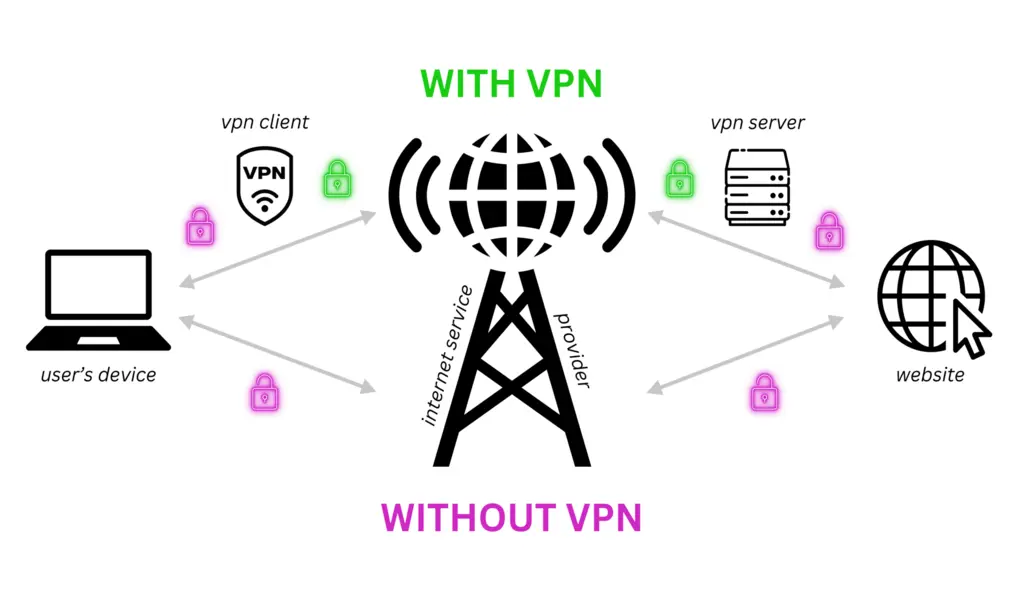
VPN Basics: What Thai Internet Users Should Know
A VPN (Virtual Private Network) is a technology that encrypts internet connections and protects privacy. Its use is generally legal in Thailand and beneficial for public Wi-Fi usage and accessing geo-restricted content.
This article requires PRO
This article is outside the free access window or is a special report. PRO unlocks it and the full archive.
Related articles
- Thai Star Nene Royal Debuts as Voice Actor for Disney's Billie in 'Hexed'
Nene Royal, a 16-year-old Thai rock sensation and 2026 'America's Got Talent' winner, will make her acting debut as the Thai voice of lead character Billie Doe in Disney's animated film 'Hexed'.
- Thailand to Host STI Inventions Contest 2026 to Foster Next-Gen Innovation
Thailand's Science and Technology Promotion Agency (STI) will host the "STI Inventions Contest 2026" to encourage innovative inventions by young people, aiming to foster innovation for the nation's future.
- World Record Attempt for Thai National Flag Deployment on Pattaya Beach
An attempt to set a world record for deploying and retrieving a Thai national flag will take place on Pattaya Beach on October 7, 2026. Organized by 'One Flag Thailand,' the event will feature a massive flag measuring 4,303.04 square feet.
- Pattaya Deputy Mayor Chairs Preparatory Meeting for “End Polio Now” Campaign
Pattaya City, in collaboration with Rotary International District 3340, is set to host the “End Polio Now” campaign. The Deputy Mayor convened a meeting with relevant agencies to review preparations.