General articles are free for 24 hours after publish.
Vietnam Deepens Global Supply Chain Integration, Focuses on Semiconductors and Renewables
Amid intensifying technological competition, Vietnam is strengthening its global supply chain presence by developing its semiconductor industry and investing in renewable energy. Fostering domestic businesses and enhancing cooperation with foreign-invested enterprises are key.
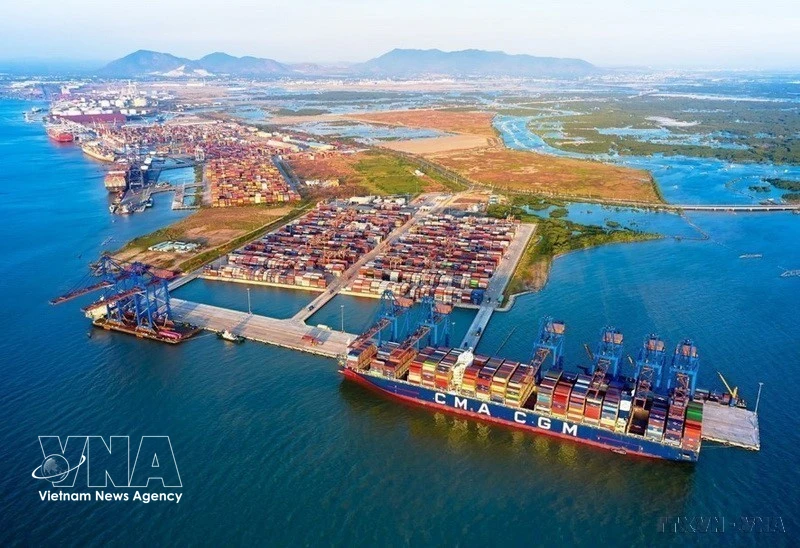
Vietnam is deepening its integration into global supply chains by expanding investments in strategic sectors. Notably, amid intensifying technological competition, the country is focusing on fostering the semiconductor industry, considered a cornerstone for national security and economic competitiveness. Policies are needed to enhance the technological absorption capacity of domestic firms and encourage foreign-invested enterprises to actively utilize Vietnamese suppliers. As a driver of economic growth, enterprises are urged to shift their competitive focus from cost-based to productivity, technology, quality, and market responsiveness. The goal is to move from operating independently to joining industrial ecosystems and eventually mastering and leading value chains. This transition is expected to spur structural reforms in the Vietnamese economy. In the renewable energy sector, investments, particularly in wind power, are accelerating. In Quang Tri province, 30 wind power projects with a combined capacity of 2,609 MW have been incorporated into the revised Power Development Plan VIII (PDP VIII), bringing the total number of planned projects in the province to 77. This represents a significant step in Vietnam's energy transition. In agriculture, the scheme for the sustainable development of 1 million hectares of high-quality, low-emission rice in the Mekong Delta is progressing well, with targets set for 2030. Furthermore, around 2,353 hectares of farmland meet organic standards, including spice cultivation areas that have obtained international certifications such as USDA (US), EU, and JAS (Japan). Diversifying export markets and promoting high-value-added products are also advancing. Hanoi aims for average annual export growth of at least 12% during 2026-2030, focusing on boosting high-tech and value-added products while reducing reliance on traditional markets. Deepening trade and investment ties with Argentina is also being explored, aiming to enhance Vietnam's presence in the South American market. The out-of-home food service market is growing dynamically, projected to reach $45.2 billion by 2031 from $24.8 billion in 2025, with an average annual growth of 10%. Cooperation in high-end entertainment technology is also progressing, with the installation of the world's first Hypnosiz highlighting the rapid development of Vietnam's amusement park market and opening a new chapter in cooperation between Vietnam and Italy. Leveraging its deep-water ports, strategic location on international shipping routes, and a growing production network, Vietnam is well-positioned to make its maritime economy a key engine of growth and enhance the global competitiveness of its goods. Regarding currency policy, the State Bank of Vietnam set the daily reference exchange rate at 25,626 VND/USD on September 16, an increase of 9 VND from the previous day, aiming to stabilize the market. The current trading band of +/- 5% means the ceiling rate for commercial banks is 26,898 VND/USD and the floor rate is 24,336 VND/USD. Copyright, VietnamPlus, Vietnam News Agency (VNA) Editor-in-chief, Mr. Tran Tien Duan.
Original source
VietnamPlus English