Over 300 Hectares of Vegetables Wither in Dong Thap, Water Pollution Suspected
Politics
2026年7月17日
4
VnExpress
Relations
🇻🇳Vietnam🇨🇳China

Over 300 Hectares of Vegetables Wither in Dong Thap, Water Pollution Suspected

AI サマリー

In Vietnam's southern Dong Thap province, over 300 hectares of vegetable crops have unexpectedly withered, causing an estimated VND 20 billion (approximately USD 800,000) in losses. Water pollution from irrigation sources is suspected as the cause, with authorities conducting investigations.

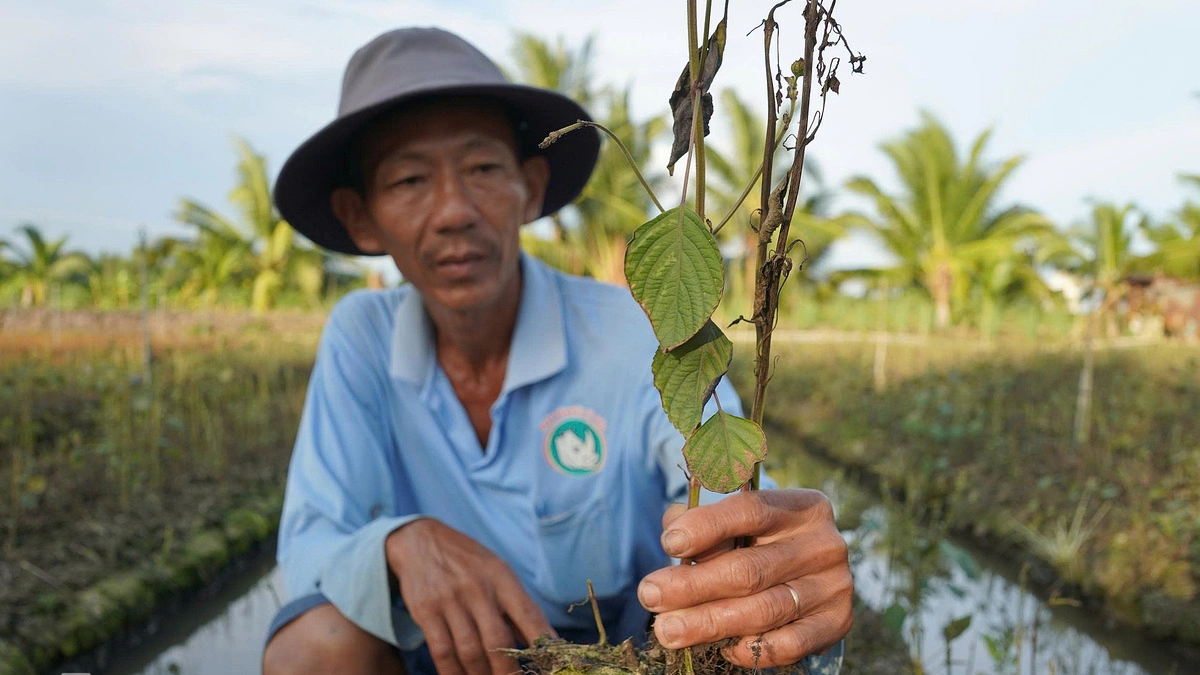
In Vietnam's southern Dong Thap province, a widespread wilting of vegetable crops has caused severe losses for farmers. Across more than 300 hectares in communes such as Long Hung, Long Dinh, and Tan Phuoc 3, crops including chili, wild celery, and various herbs have turned white or yellow and subsequently withered. The total estimated damage amounts to approximately VND 20 billion (around USD 800,000). Dang Hoang Quan, 49, a resident of Trung Hamlet, Long Dinh Commune, reported that his 9,000 square meter plot of chili and wild celery withered within a week, resulting in an estimated loss of VND 45 million (approximately USD 2,200). Mr. Quan has been cultivating herbs in the area for over a decade, typically expecting profits of around VND 40 million per hectare annually. Similar damage has affected neighboring areas, with Long Hung, Long Dinh, and Tan Phuoc 3 communes alone accounting for about 290 hectares of affected land. The damaged crops include a variety of herbs, chili, wild celery, cinnamon, and mustard greens. A common characteristic observed is that while the lower leaves remain green, the young shoots lose chlorophyll, turn white or yellow, and then die. The irrigation water used in these affected areas is supplied from several canals, including Nang, Ben Chua - Cho Bung, Sau Au - Xoai Hot, and Nguyen Tan Thanh, which are part of the Bao Dinh project area. The Dong Thap Department of Agriculture and Rural Development has collected water samples for analysis. Preliminary results indicate signs of pollution, with low dissolved oxygen levels and concentrations of ammonia, nitrite, and COD exceeding regulatory standards at multiple locations. Experts suggest these indicators reflect organic pollution, which could negatively impact crop growth if this water is used for irrigation over extended periods. Under Vietnam's one-party system, agriculture remains a vital pillar of the national economy, particularly for rural livelihoods. This incident highlights potential challenges in environmental management keeping pace with rapid economic development. For Vietnam, which has close ties with China, water resource management and pollution control are critical issues, not only for domestic stability but also for its relations with neighboring countries. The government is considering support measures for affected farmers and is initiating an investigation to determine the cause and implement preventive strategies.

多角的分析

経済的影響

今回のドンタップ省での野菜枯死は、地域経済に直接的な打撃を与えている。被害額200億ドンは、小規模農家にとっては壊滅的な損失であり、食料供給への影響も懸念される。水質汚染が原因であれば、灌漑システム全体の改善や、より厳格な環境基準の導入が必要となる。これは、ベトナム経済が製造業だけでなく、農業分野においても持続可能な成長を目指す上で、避けては通れない課題である。特に、メコンデルタ地域はベトナムの主要な農業地帯であり、その生産能力の維持は国家経済の安定に不可欠である。

投資家心理

農業分野への投資家にとって、今回の事件はリスク要因を浮き彫りにしている。特に、メコンデルタ地域のような主要生産地における水質問題は、サプライチェーンの不安定化を招く可能性がある。これは、農産物加工業や輸出関連企業への投資にも影響を与えるだろう。投資家は、環境リスク管理が十分に行われているか、また、政府によるインフラ投資や規制強化の動向を注視する必要がある。長期的には、気候変動や環境汚染に強い農業技術への投資が求められる。

社会的影響

ドンタップ省の農家にとって、これは生活基盤を揺るがす深刻な事態である。10年以上農業を営んできたクアン氏のような農家は、収穫前の作物が枯れるという現実に直面し、大きな精神的・経済的苦痛を抱えている。被害を受けた600世帯以上は、収入源を失い、次の作付けへの不安を抱えている。水質汚染が原因であれば、これは単なる農業問題に留まらず、地域住民の健康や生活環境全体への影響も懸念される。政府による迅速な支援と、地域住民の生活再建に向けた具体的な対策が求められる。

市民の声

今回の被害は、ドンタップ省の農家とその家族に直接的な経済的打撃を与えている。クアン氏のように、収穫目前の作物が枯れるという事態は、長年の労働が水の泡となることを意味し、生活そのものを脅かす。また、地域全体で600世帯以上が被害を受けていることから、地域経済への影響も無視できない。被害を受けた農家は、借金や次の作付け資金の調達に苦慮する可能性があり、生活再建に向けた政府の支援が不可欠となる。水質汚染の可能性は、長期的な健康への懸念も引き起こす。

背景・歴史的文脈

メコンデルタ地域はベトナムの主要な米および農産物の生産地であり、その水資源は農業にとって生命線である。近年、気候変動による干ばつや塩害、そして上流国(特に中国)からのダム建設による水流の変化が、この地域の水資源に大きな影響を与えている。2016年の深刻な干ばつでは、広範囲にわたり農業生産に甚大な被害が出た。今回の事件は、こうした既存の環境問題に加え、地域内の汚染管理の不備が複合的に作用している可能性を示唆している。ベトナム政府は、水資源の持続可能な利用と環境保護のバランスを取るという、長年の課題に直面している。

原文ソース

VnExpress

原文を読む