Fueling Up with Da Nang Cuisine Before the Marathon Race
As the VnExpress Da Nang International Marathon approaches, local Da Nang specialties are gaining attention as a crucial strategy for runners' energy loading. Dishes made from rice and wheat flour, known for their easy digestibility, are highlighted for pre-race physical conditioning.
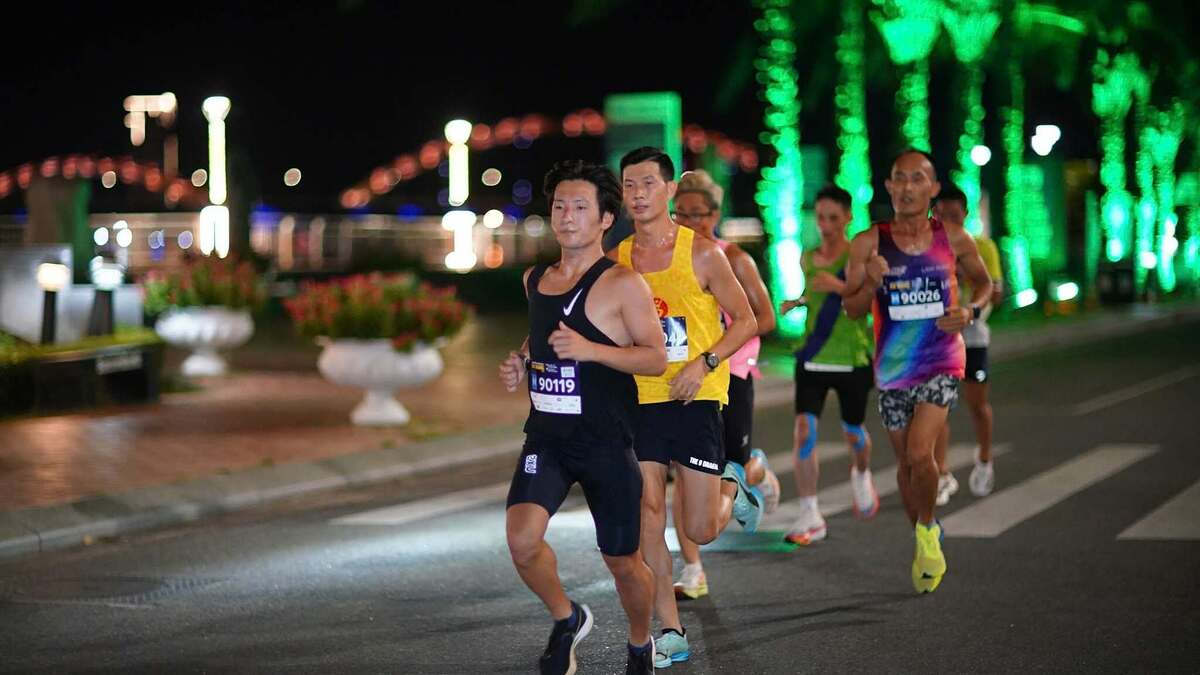
As the VnExpress Da Nang International Marathon Herbalife Cup, scheduled for July 19, approaches, runners are turning to Da Nang's local specialties for their pre-race nutrition strategy. Dishes rich in carbohydrates like Mì Quảng, bánh canh, and cơm gà xé are highlighted for their ability to optimize energy and protect the digestive system. Carb-loading is an essential nutritional strategy for long-distance runners, aiming to increase carbohydrate intake to 70-80% of total energy consumption while minimizing fats and fiber. Depending on the runner's physique and race distance, carbohydrate intake on the two days leading up to the race can range from 7-12 grams per kilogram of body weight. For example, a 60kg runner would need 420-720g of carbohydrates per day. Instead of relying on nutritional supplements or bland carb-loading meals, runners can leverage Da Nang's local cuisine. Dishes made from rice and wheat flour are easily digestible and gentle on the digestive system, even in hot weather. Energy accumulation can begin two days before the race, with the first day focusing on activating glycogen storage through light and liquid carbohydrate sources. For breakfast on the day before the race, a bowl of Mì Quảng with chicken, prepared with less broth and no raw vegetables or chili, is considered an ideal carbohydrate source. Bánh canh ruộng, a local specialty, is also recommended. Its broth, made from fish, shrimp, and bones, is easily absorbed and doesn't pressure the digestive system. A bowl of bánh canh ruộng provides about 350-450 kcal with over 60g of carbohydrates, ensuring satiety without digestive discomfort. When ordering, runners are advised to choose rice flour noodles and pair them with easily digestible proteins like steamed fish cake or quail eggs, while actively asking the vendor to omit fried fish cakes or scallion oil to minimize saturated fat intake. In the afternoon, for a light snack, Hue-style bánh nậm, popular in Da Nang, is a suitable choice. A portion of 4-5 bánh nậm provides 250-300 kcal, adding about 40-50g of carbohydrates. However, to protect the stomach, it's important to request no scallion oil on top and to avoid fresh chili or raw garlic in the dipping sauce to prevent irritation. For dinner, cơm gà xé Đà Nẵng is a fitting option for those seeking a familiar and filling carbohydrate meal. Unlike other regional versions often fried in oil and causing greasiness, this dish uses shredded boiled chicken breast and rice cooked in low-fat chicken broth. A serving can provide about 600-750 kcal, containing 80-100g of carbohydrates and 25-35g of lean protein, optimizing muscle glycogen synthesis overnight. Runners should consume only the rice and boiled chicken, avoiding pickled papaya, kimchi, raw garlic, or chili paste to ensure a safe stomach before the start. The day before the race requires runners to stabilize their digestive system, focusing on easily digestible carbohydrates and eliminating potential causes of bloating or fiber accumulation in the colon. Mì Quảng is ideal for lunch, offering substantial calories and carbohydrates. However, runners should opt for well-cooked versions and ask for no scallion oil or fatty broth. Avoiding raw vegetables, chili, garlic, and limiting crispy crackers is crucial to prevent indigestion. Dinner the night before the race should be finished early, by 7 PM, with purely carbohydrate-based dishes like white rice with boiled chicken breast or a plain rice flour bánh canh. This allows the digestive system to rest completely. After dinner, runners should focus on replenishing fluids and electrolytes in small sips until bedtime, strictly avoiding any snacks or fruits high in fiber. Dishes that are difficult to digest, high in concentrated protein, and rich in saturated fats should be avoided as they can lead to prolonged feelings of fullness and sluggishness. These foods are best saved as rewards for post-race celebrations. The VnExpress Da Nang International Marathon Herbalife Cup 2026, taking place on July 19, is a large-scale international race within the VnExpress Marathon system. The course takes athletes across iconic bridges and along the coastal road hugging Da Nang Bay. The event is currently in its Late registration phase, with interested runners able to sign up here. Source: VnExpress
多角的分析
ベトナム経済において、スポーツイベントは地域経済への波及効果が大きい。特にマラソン大会は、国内外からの参加者や観客を呼び込み、宿泊、飲食、交通、関連グッズ販売など多岐にわたる消費を生み出す。今回の記事で紹介されているダナンの郷土料理は、単なる栄養補給にとどまらず、地元の食文化をアピールする機会ともなり、観光産業の活性化にも寄与する可能性がある。経済成長を続けるベトナムにおいて、このようなイベントを通じた消費喚起は、内需拡大の一助となるだろう。過去のVnExpress Marathonシリーズでも、開催都市の経済への貢献が報告されており、今回も同様の効果が期待される。
スポーツイベント、特に国際マラソンは、関連企業にとってマーケティングとブランド露出の絶好の機会となる。スポンサー企業は、健康志向の高まりを背景に、ランナーや健康に関心のある層へ直接アプローチできる。今回の記事で「Herbalife Cup」という名称が見られるように、栄養補助食品メーカーなどが積極的に関与している。投資家としては、このようなイベントのスポンサーとなっている企業や、イベント開催地のインフラ整備(ホテル、交通網など)に関連する企業の動向を注視することが重要である。ベトナムにおけるスポーツツーリズムの成長は、関連産業への投資機会をもたらす可能性がある。
ランナーの栄養戦略として地元の食文化が取り上げられることは、食の安全や健康意識の高まりを反映している。特に、レース前というデリケートな時期に、消化に良いとされる伝統的な料理を推奨することは、食の選択肢を広げると同時に、食文化の継承にも繋がる。一方で、特定の料理や調理法への偏りは、多様な食習慣を持つランナーにとって必ずしも最適とは限らない可能性もある。また、地元住民にとっては、マラソン参加者への料理提供が新たな収入源となる場合もあり、地域経済への貢献という側面も持つ。記事で言及されている「VnExpress Marathon」は、ベトナム全土で開催されており、地域ごとの食文化とスポーツを結びつける試みは、国民の健康増進と地域活性化に貢献していると言える。
ベトナム国民、特にランナーにとって、マラソン大会前の食事は重要な関心事だ。地元ダナンの料理をカーボローディングに活用できるという情報は、食費を抑えつつ効果的な栄養補給ができるという点で歓迎されるだろう。しかし、推奨される料理の価格帯や、特定の調理法(油を控える、生野菜を避けるなど)が、日常的な食習慣と異なる場合、一部の市民にとっては調整が必要になるかもしれない。また、記事で紹介されているような健康志向の食事が、地方の伝統的な食文化や食料事情とどの程度結びつくのかも興味深い点である。ハノイやホーチミンといった大都市のランナーは、多様な選択肢があるが、地方都市では、こうした情報が地元の食産業を刺激する可能性もある。
背景・歴史的文脈
ベトナムでは、経済成長に伴い、国民の健康意識が高まり、スポーツ、特にランニングの人気が近年急速に拡大している。2015年にVnExpressが主催するマラソン大会が開始されて以来、全国各地で同様のイベントが開催されるようになり、国民の健康増進や地域活性化の手段として政府からも支持されている。この記事で取り上げられているダナン国際マラソンは、その中でも規模が大きく、国際的な注目を集めている。ランナーの栄養戦略として地元の食文化を活用するというアプローチは、ベトナムの食の多様性と、スポーツイベントが地域経済や文化に与える影響の深さを示している。これは、ベトナムが単なる製造拠点から、多様な消費文化を持つ国へと進化している証左とも言える。
原文ソース
VnExpress