General articles are free for 24 hours after publish.
Philippines Eyes 'Progress Bill' to Pair Tax Relief with Wealth, Excise Taxes
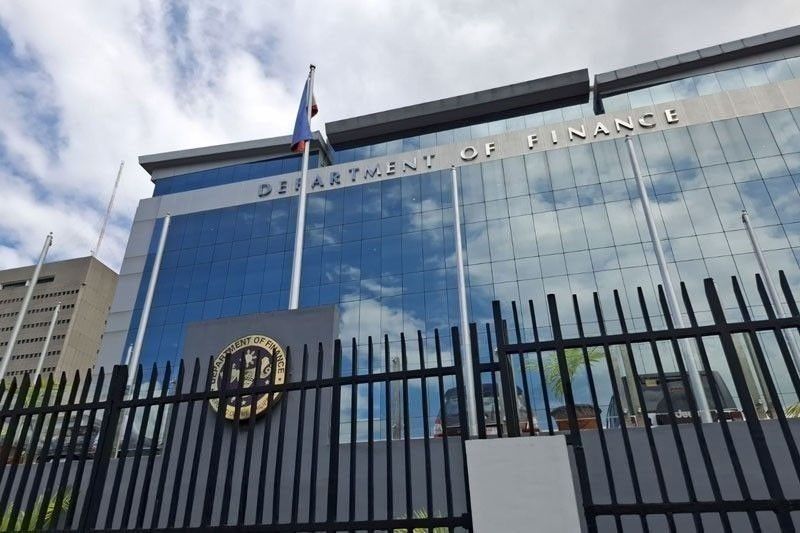
The Philippines' Department of Finance is preparing a 'Progress Bill' to offset the fiscal impact of expanded income tax exemptions for the middle class by increasing excise taxes on 'sin products' and single-use plastics, alongside a wealth tax on luxury cars. The proposed measures aim to generate an estimated P518.71 billion in additional revenue from 2027 to 2030.
MANILA, Philippines — The Department of Finance (DOF) is preparing to cushion the fiscal blow of planned middle-class tax relief through tweaks in the excise tax on so?called sin products, fresh charges on single?use plastics and a wealth tax targeting luxury automobiles. Finance Undersecretary Karlo Fermin Adriano said the agency’s proposed “Progress Bill” seeks to raise P518.71 billion from excise tax reforms from 2027 to 2030 to promote healthier, more eco-friendly lifestyles and redistribute wealth. “The middle-income classes pay a lot of taxes, but they’re not poor enough to qualify for the ayudas, but not rich enough to have a very comfortable life,” he told reporters. The proposed measures aim to offset the fiscal impact of raising the personal income tax exemption threshold to P350,000 and exempting small businesses from the minimum corporate income tax. Based on government estimates, the combined relief taxes could trim revenues by about P326.92 billion from 2027 to 2030, with the bulk, or P300.33 billion, from the expanded income tax exemption. Still, the bill will leave the government P191.77 billion net revenue from 2027 to 2030, already factoring in revenue-eroding and revenue-generating reforms. The revenue-generating side of the measure is expected to raise P518.71 billion in 2027 to 2030. The largest contributor is the updated sweetened beverage (SB) tax, which is expected to raise P269.97 billion from 2027 to 2030 amid high obesity rates. “Take note that sin products are not a required commodity to consume, it’s technically a vice and at the same time, when you consume it, it’s harmful to you,” Adriano said. Under the proposed update on SB tax, the DOF seeks to hike the current tax rate to P20 per liter for purely caloric or non-caloric, a mix of caloric and non-caloric sweeteners and P40 per liter for those using high-fructose corn syrup, a combination of purely HFCS with any caloric or non-caloric sweeteners. Coverage will expand to “edible ices” such as ice cream and popsicles, as well as soy milk, 100 percent fruit and vegetable juices. Adriano said the bill also targets wealthier households with a steep excise tax tier on luxury automobiles, which is expected to raise P15.64 billion in revenue until 2030. “If you can afford an P8 million car, then definitely you’re rich. If you can afford an P8 million car, then you have to pay a 75 percent tax,” he said. Other components include higher duties on e?cigarettes and introduction of new excise tax on novel tobacco products and devices. Other revenues include the P150-per-kilo excise tax on plastic, against the backdrop of the Philippines’ sachet economy and its ranking among the top 10 countries with the highest annual plastic emissions. The bill also seeks to update the Motor Vehicle Road User Tax by adjusting MVRUT rates based on cumulative inflation, benefiting road users. Acting Budget Secretary Kim Robert de Leon backed the proposed tax relief measures but said it is “a balancing act.” “If we will have additional tax relief, definitely it will have an impact on our revenues. We really have to check whether our expenditure will still be able to sustain given that we also have fiscal consolidation measure that we don’t want to increase our deficit further,” he said.
Original source
Philstar Business