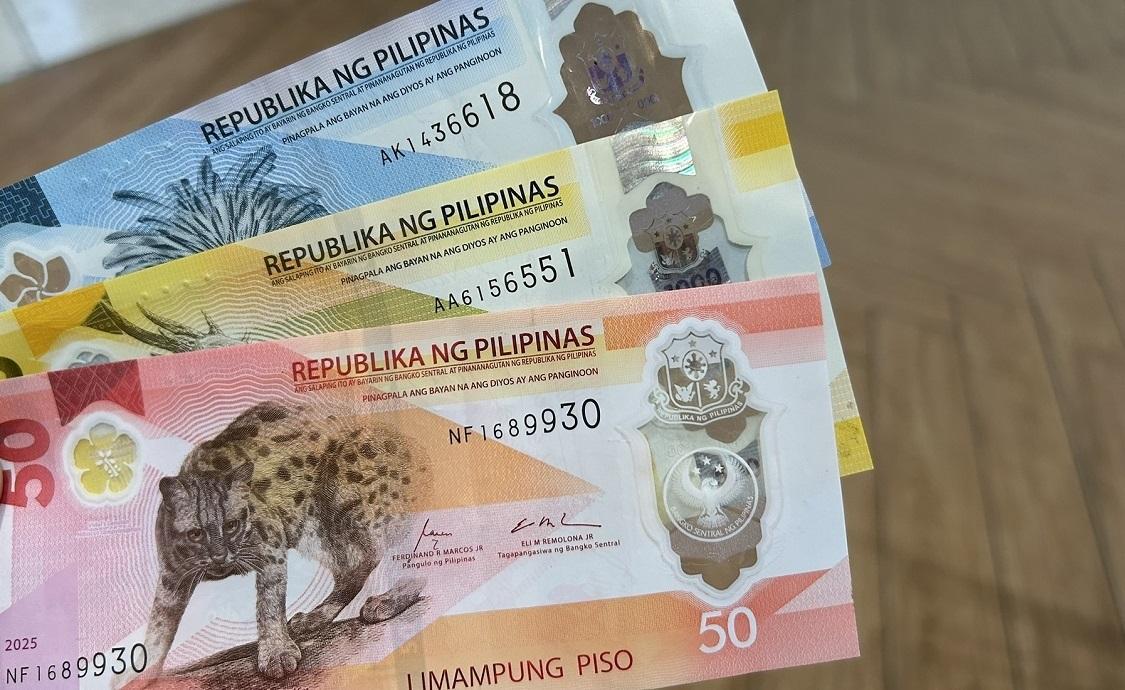
Philippine Peso Recovers to P62/$1 Amid Falling Oil Prices, Easing Inflation Fears
The Philippine peso rebounded to the P62-to-one dollar level, recovering from a dip to P63:$1, driven by declining global oil prices and a weaker US dollar. This trend is expected to ease inflationary pressures and reduce import costs for the Philippines.
Read up to 3 eligible full articles per Japan day (JST) for free
Create a free account to open up to 3 eligible full articles per Japan calendar day (JST). Headlines and summaries remain available across ASEAN 7.
Related articles
- PSEi Rallies Past 5,700 on Bargain Hunting, Easing Inflation Hopes
The Philippine Stock Exchange index (PSEi) rallied on Tuesday, reclaiming the 5,700 level amid bargain hunting and optimism that inflation is easing, supported by improving fuel prices. The market saw active trading, though cautious sentiment lingers.
- PH inflation to remain high through Q1 next year, says Citi
Citibank forecasts that Philippine inflation will remain high between 7.5% and 8.1% through the first quarter of next year, citing stagflation-like conditions and a slowdown in economic growth, with food supply risks being a key driver.
- Philippines Investment Rebound Seen in 2027 - Citigroup
Citigroup forecasts a rebound in Philippine investments by 2027, contingent on easing Middle East tensions and reduced inflation. However, the economy faces challenges from weak Q3 growth and delayed government spending due to a corruption scandal.
- Higher inflation outlook may delay BSP rate cuts to late 2027
A higher inflation outlook for the Philippines could force the Bangko Sentral ng Pilipinas (BSP) to maintain a tighter monetary policy for longer, potentially delaying the start of its rate-cutting cycle until the fourth quarter of 2027.