General articles are free for 24 hours after publish.
Hanoi's Cultural Heritage to be Leveraged by 'Capital Law 2026'
Vietnam's upcoming 'Capital Law 2026' is expected to be a new impetus for Hanoi's rapid and sustainable development, while preserving and promoting its unique cultural heritage. Contributions to the inheritance of traditional crafts and tourism promotion are particularly noteworthy.
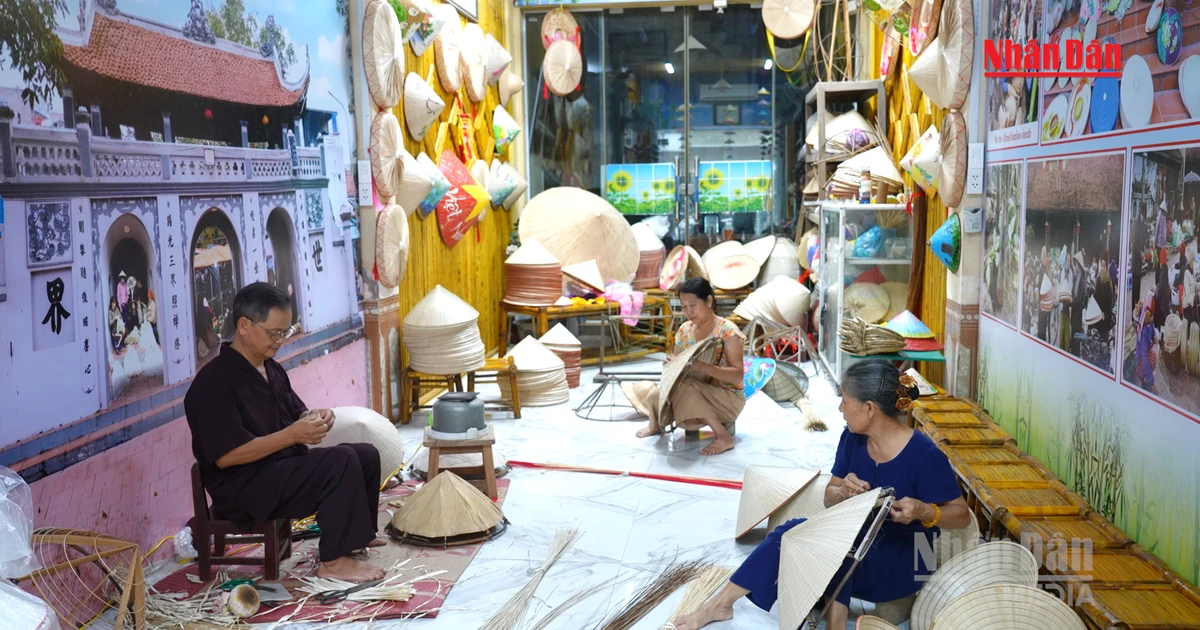
The 'Capital Law 2026', scheduled to take effect in 2026, is expected to create special mechanisms to promote Hanoi's rapid and sustainable development while preserving and promoting the capital's unique cultural heritage. This law is seen as paving the way to maximize the diverse cultural values that Hanoi possesses. For example, traditional villages like Chuong village (Thanh Oai district), with its long history, may have the opportunity to not only preserve the traditional hat (non) making techniques passed down through generations but also further develop them as part of the cultural space, experiences, and tourism. Tourists visiting Chuong village will be able to learn about the history of hat making, directly experience the production process, and interact with artisans who are day and night preserving traditional techniques. This is considered to contribute to the revitalization of the local economy and the promotion of cultural tourism. Nhan Dan, the official newspaper of the Communist Party of Vietnam, reports that this law strengthens the legal foundation for balancing the two important goals of the capital's development and the preservation of cultural heritage. In a one-party system, the enactment of such a comprehensive law suggests that the central government is taking a strategic approach to local development and cultural conservation.
Original source
Nhan Dan