General articles are free for 24 hours after publish.
Global Minimum Tax to Boost Philippine Revenue by P24.4B Annually
The Philippines could generate an additional P24.4 billion in annual revenue starting in 2029 with the implementation of a global minimum tax. This measure ensures large multinational groups pay at least a 15% effective tax rate, potentially affecting 1,001 multinational enterprise groups operating locally.
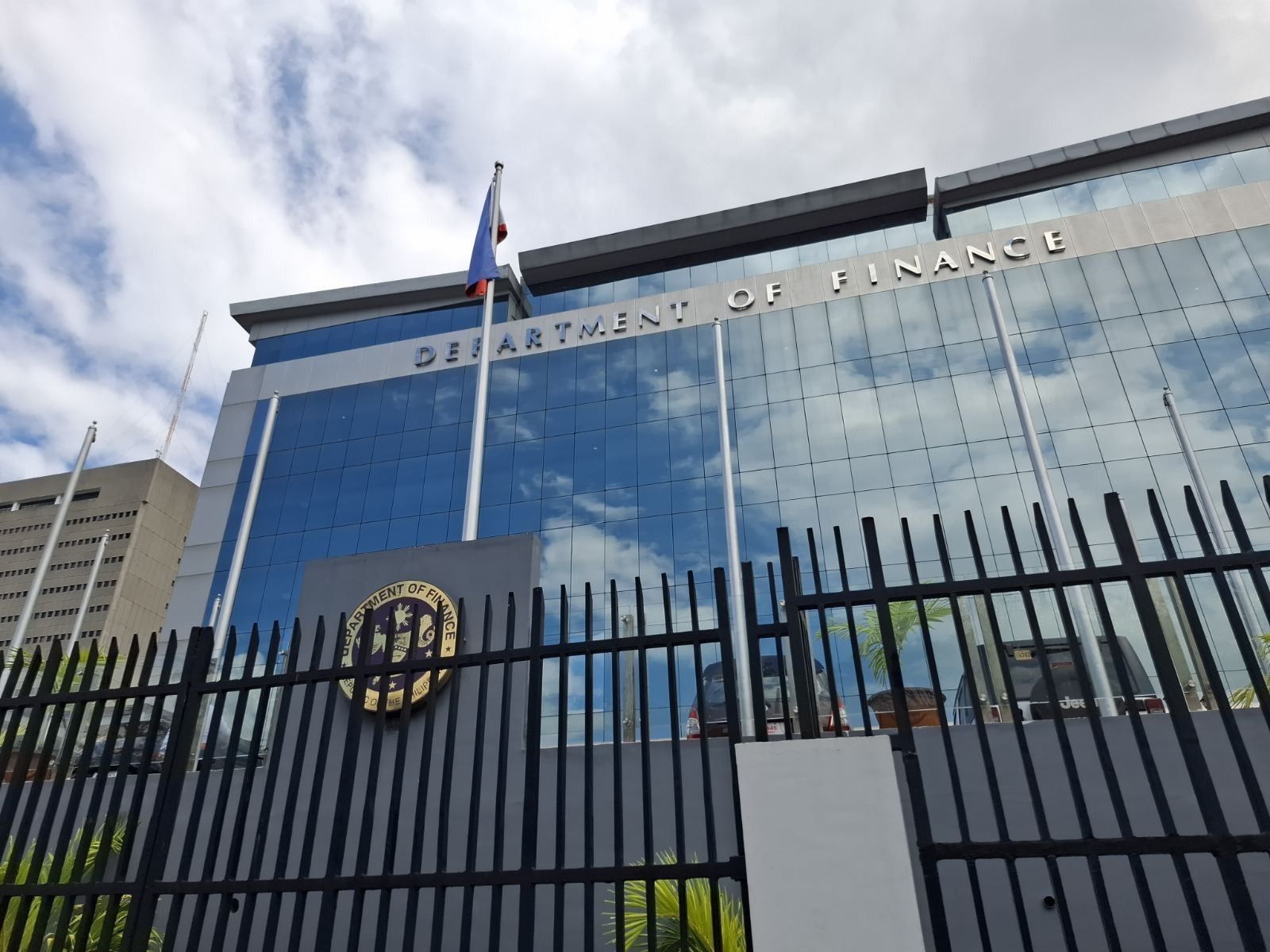
The Philippines could generate approximately P24.4 billion in additional annual revenue starting in 2029 once a proposed global minimum tax is implemented, according to the Department of Finance (DOF). This estimate is based on potential revenues from 2021 to 2024 had the global minimum tax rules been in effect, said Finance Assistant Secretary Euvimil Nina Asuncion. "If we pass it this year and the law is effective by Jan. 1. We can start collecting by (2029). There’s a gap. So that you’re able to set your compliance," Asuncion told reporters. The proposed qualified domestic minimum top-up tax (QDMTT) is part of an international framework designed to ensure large multinational groups pay at least a 15 percent effective tax rate in each jurisdiction where they operate. A top-up tax will be imposed where the effective tax rate falls below this threshold. The measure will not affect ordinary domestic businesses or small and medium-sized enterprises (SMEs). According to a DOF presentation, about 1,001 multinational enterprise groups operating in the Philippines, encompassing around 4,037 local subsidiaries, could fall within the scope of the global minimum tax. This indicates a significant presence of multinational corporations within the Philippine economic landscape. In addition to the global minimum tax, the DOF is also proposing higher excise taxes on sweetened beverages, tobacco, and alcohol products. Other proposed measures include taxes on single-use plastics and certain high-end goods, as well as initiatives targeting the wealthy. Finance Undersecretary Rolando Ligon Jr. stated that the department aims to file the proposed Progressive Tax Reform (Progress) Act by September. This act includes plans to increase excise taxes on automobiles priced at P8 million and above. It also seeks to raise the excise tax rate on non-essential goods to 25 percent and expand its coverage to other luxury items. The expanded coverage for non-essential goods would include private aircraft, such as planes, jets, and helicopters, as well as private or recreational vessels like jet skis, speedboats, sailboats, and motorboats intended for pleasure or sport. The government collected P307 million from excise tax on non-essential goods in 2025. These proposed tax reforms are part of the Philippine government's efforts to bolster its revenue base and fund public services, especially as the nation aims for economic recovery post-pandemic. Strengthening the tax collection system is considered a critical step in achieving fiscal stability.
Original source
Philstar Business