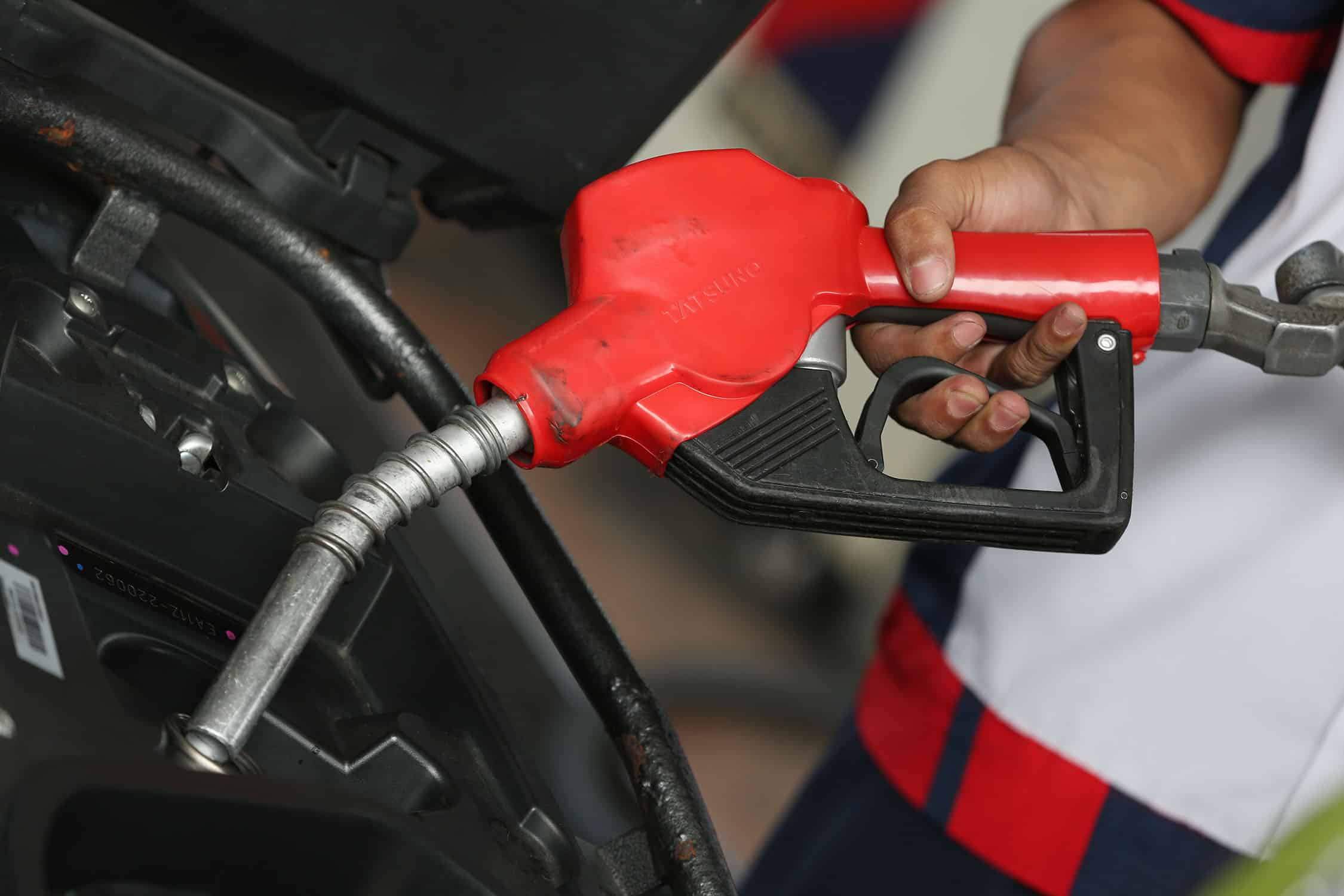
Philippines: Gasoline, Kerosene Prices Rise; Diesel Rolls Back
Starting Tuesday, the Philippines will see a price hike of P1.56 per liter for gasoline and P1.77 per liter for kerosene, while diesel will be rolled back by P3.01 per liter. The Department of Energy (DOE) announced these mixed adjustments, which are expected to impact household budgets and transportation costs.
Read up to 3 eligible full articles per Japan day (JST) for free
Create a free account to open up to 3 eligible full articles per Japan calendar day (JST). Headlines and summaries remain available across ASEAN 7.
Related articles
- Diesel price cut seen; gas, kerosene up
The Philippines is set to see a significant diesel price rollback for the third consecutive week, while gasoline and kerosene prices are expected to rise. This adjustment is influenced by G7 oil supply releases and a US-Russia fuel agreement. The country maintains adequate fuel reserves.
- Diesel Prices to Drop P3.01/Liter; Gasoline, Kerosene to Rise — DoE
Philippines fuel prices will see a P3.01 per liter rollback for diesel starting October 13, while gasoline and kerosene will increase by P1.56 and P1.77 per liter respectively. This adjustment reflects easing global supply concerns, though the nation's heavy reliance on imported fuel remains a key factor.
- Cheap Chinese EVs Threaten Local Automakers in Philippines
The influx of affordable Chinese electric vehicles (EVs) is hindering local Philippine manufacturers, particularly those producing electric motorcycles and tricycles, from establishing a foothold in the domestic market, an industry leader has warned. Chinese brands are narrowing the price gap.
- Gasoline Price Hike, Diesel Rollback Expected in Philippines Amid Oil Market Fluctuations
Motorists in the Philippines will face mixed fuel price adjustments starting Tuesday, with gasoline set to increase by P1.56 per liter while diesel will see a rollback of approximately P3 per liter, reflecting global crude oil market shifts.