Francisco Motors aims for comeback with electric jeepneys
Business
2026年8月9日
5
Inquirer Business

General articles are free for 24 hours after publish.

Francisco Motors aims for comeback with electric jeepneys

Share
AI Summary

Francisco Motors, a pioneering Filipino vehicle maker, plans a $100 million investment to produce two electric vehicle models under a government incentive program. The proposal includes an electrified version of the iconic jeepney and a compact SUV, aiming to revitalize the local automotive industry.

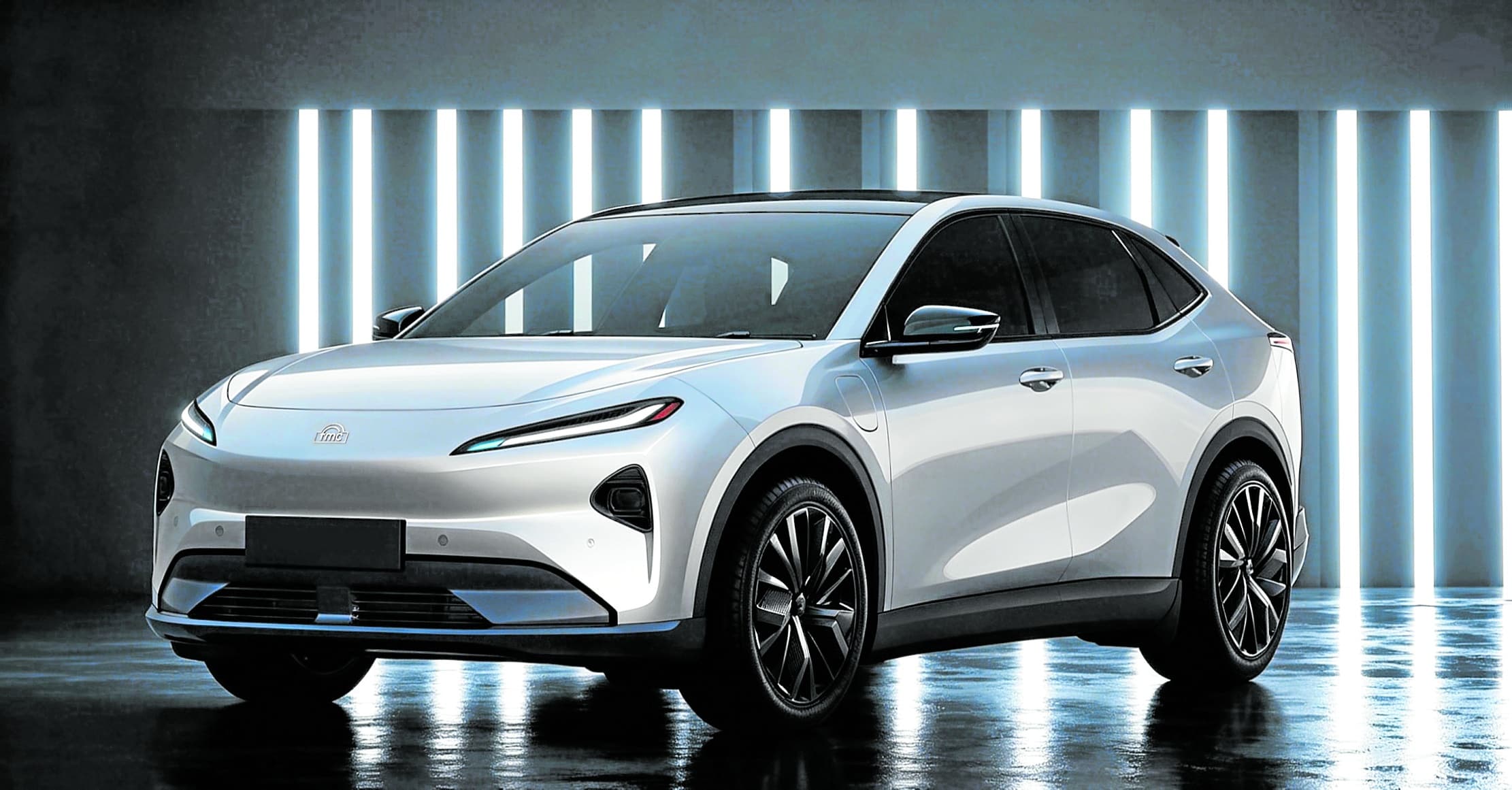
MANILA, Philippines — Francisco Motors, one of the country’s pioneering jeepney manufacturers, is preparing a $100-million investment proposal to produce two electric vehicle (EV) models under the government’s incentive program. The pitch includes an electrified version of the iconic Filipino jeepney. Francisco Motors chair Elmer Francisco tells the Inquirer the company plans to manufacture both a consumer vehicle and a public transport model using components produced entirely in the Philippines. That planned investment, equivalent to more than P6 billion, exceeds the P5-billion minimum required under the Electric Vehicle Incentive Strategy (EVIS), which offers up to P15 billion in fiscal incentives for each qualified EV model. “We built the first jeepney in 1947, and we have been building them since,” Francisco says in an email interview. “Evis is the first policy instrument in a long time that lets a Filipino manufacturer compete on manufacturing rather than on distribution, and electrification is what makes it possible.” One of the models that Francisco Motors plans to enroll under Evis is an electric version of the jeepney, which the company says can travel between 100 and 150 kilometers on its standard variant and up to 250 kilometers on its long-range version. The electric jeepney will seat 22 passengers with standing room for eight more and have a top speed of 90 kilometers per hour. Its lithium iron phosphate battery can be charged to 80 percent in about an hour, Francisco says. Its other Evis entry will be the battery-powered compact sport utility vehicle “Elektron,” which has a driving range of between 400 and 600 kilometers and delivers up to 340 kilowatts of power. The top-of-the-line Elektron variant will retail for P1.95 million, Francisco says. “They cover both halves of the Philippine market rather than competing for the same buyer,” he adds. Francisco notes the components of both units—from body shell and chassis structure to wiring harness and battery pack—will be manufactured at a dedicated production facility. While declining to disclose planned production volumes, Francisco says the public transport model is designed with the country’s estimated 250,000 traditional jeepneys that still need to be replaced in mind. Under Executive Order No. 121, which operationalized Evis, participating manufacturers must produce at least 10,000 units of an enrolled model. In terms of funding source, Francisco says a foreign partner has expressed interest in co-investing in the manufacturing facility, although he stresses the $100-million investment for the Evis project will come directly from Francisco Motors. “We work with technology partners, in California and in Asia, selected for specific manufacturing and systems capability. These are technology transfer relationships,” he says. “The point is that the capability ends up resident here, in Filipino hands.” The company is now preparing its formal Evis application while awaiting the release of the implementing rules of the program. So far, Mitsubishi Motors Philippines Corp. is the only other automaker to publicly announce plans to participate in Evis, committing P7 billion to manufacture a hybrid EV at its Santa Rosa, Laguna plant. But the Board of Investments, which oversees the program, earlier indicated two local car automakers had expressed interest in Evis and may tap foreign partners to qualify. For Francisco, more local manufacturers will ultimately strengthen the country’s automotive industry. “One Filipino carmaker is an anomaly. Several is an industry, and an industry is what actually produces suppliers, engineers and jobs,” he says. “I would rather compete for a slot against a Filipino rival than hold one uncontested.”

0

Original source

Inquirer Business

原文を読む