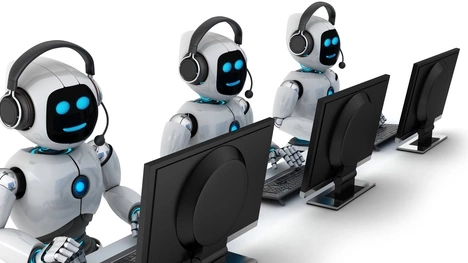
AI Customer Service Backlash Prompts Reconsideration by Vietnamese Businesses
Business
2026年7月2日
5
VnExpress

AI Customer Service Backlash Prompts Reconsideration by Vietnamese Businesses

AI サマリー

As AI customer service adoption grows in Vietnam, the lack of human warmth and flexibility in AI responses is causing customer dissatisfaction, forcing some businesses to reconsider. While AI can handle basic queries, its limitations in complex situations are highlighting the renewed importance of human support.

As the adoption of AI-powered customer service grows in Vietnam, its limitations and resulting customer dissatisfaction are becoming apparent, forcing some businesses to reconsider their strategies. Readers have expressed widespread frustration, arguing that AI chatbots and operators lack the human ingenuity and emotional understanding, leading to customer exasperation. One reader stated, "AI doesn't understand customer emotions and only responds mechanically. Using AI instead of human operators is a failure for businesses." This sentiment arises as many companies, previously believing AI could replace all human roles, have reduced staff, only to see their business operations falter. Commonwealth Bank of Australia (CBA) last year replaced over 40 customer service staff with AI voice bots. However, the system failed to handle the workload, leading to an increase in call volumes and forcing the bank to reverse its staffing cuts. Australia's finance sector union hailed this as a "huge victory." In August 2025, CBA admitted to ABC that they "did not fully consider all the business factors involved" when announcing their staff reduction plans, adding, "We should have evaluated the necessary positions more carefully." Similarly, another reader voiced their dissatisfaction with AI chatbots: "The most annoying thing is when I ask AI and it doesn't answer the core of the question, giving long-winded replies. I waste a lot of time and get frustrated. I stopped using services with companies that use AI for consultation and chose companies with human consultants and support." "AI should only be used for support, not to replace humans, especially in the customer service department where the most finesse is required. AI is merely a compilation of data; the decision-making power must still rest with humans," one reader commented. Having experienced several customer service chatbots from banks, spas, and electronics companies, a reader concluded, "AI can answer basic questions, meaning it has pre-set processes. However, if the situation deviates even slightly or an unexpected event occurs, it gets stuck in a loop, potentially frustrating customers quickly. Therefore, direct customer service representatives are still needed, and complete reliance on AI is not feasible." Information source: VnExpress

多角的分析

経済的影響

ベトナム経済において、AI導入は生産性向上とコスト削減の潜在的可能性を持つ一方で、顧客体験の低下はブランドイメージの悪化や顧客離れを招き、長期的な収益に悪影響を与える可能性がある。特にサービス業においては、顧客満足度が競争優位性の源泉となるため、AIによる画一的な対応は、かえって経済的損失を招くリスクをはらんでいる。過去の事例でも、技術導入が先行しすぎた結果、顧客基盤を失った企業は少なくない。

投資家心理

AI導入によるコスト削減効果への期待は大きいが、今回の報道は、AIが顧客体験を損なうリスクを浮き彫りにしている。投資家は、AI導入による短期的なコスト削減だけでなく、長期的な顧客維持やブランド価値への影響を慎重に評価する必要がある。特に、顧客との直接的な接点が多いサービス業においては、AIへの過度な依存は投資リターンの低下につながる可能性がある。CBAの事例は、ROI(投資対効果)の再評価の必要性を示唆している。

社会的影響

AIによる顧客対応の限界は、ベトナム社会における人間関係の価値を再認識させる。特に、高齢者やテクノロジーに不慣れな層にとって、AIとのコミュニケーションは困難を伴う可能性がある。また、AIオペレーターの導入によって、これまで人間が担っていた雇用機会が失われる懸念もある。一方で、AIが基本的な問い合わせに対応することで、人間のオペレーターはより複雑で高度な問題解決に集中できるようになるという見方もできる。しかし、現時点では、AIの融通の利かなさが、多くの顧客にストレスを与えている。

市民の声

AIによる顧客対応の普及は、市民の日常生活に直接的な影響を与えている。多くの市民が、AIの機械的で融通の利かない応答に不満を感じ、時間を無駄にしたり、ストレスを感じたりしている。特に、複雑な問題を抱えている場合や、感情的なサポートを求めている場合には、AIは十分な対応ができない。そのため、市民は、AIよりも人間による丁寧な対応を求めており、AIを導入している企業に対しては、サービス利用を控えたり、代替企業を探したりする動きが出ている。

背景・歴史的文脈

ベトナムにおけるAI技術の導入は、近年の急速なデジタル化と経済成長の波に乗って進展している。特に、労働集約型産業から脱却し、付加価値の高いサービス産業へと移行を目指す中で、AIは生産性向上とコスト削減の切り札として期待されてきた。しかし、AIの導入は、その技術的な限界や、人間的な温かみ、共感といった要素が不可欠な顧客サービス分野においては、必ずしも期待通りの成果を上げていない。過去のグローバルなAI導入事例でも、顧客体験の低下が指摘されるケースは少なくなく、ベトナムでも同様の課題に直面していると言える。これは、技術先行型の導入が、社会的な受容性や人間的な側面への配慮を欠いていた場合に生じる典型的な問題である。

原文ソース

VnExpress

原文を読む