Analysts Dismiss Myanmar Junta’s ‘100-Day Plan’ as PR Move Unlikely to Yield Genuine Peace
Politics
2026年7月11日
2
BNI (Burma News International)

Analysts Dismiss Myanmar Junta’s ‘100-Day Plan’ as PR Move Unlikely to Yield Genuine Peace

AI サマリー

Political analysts have dismissed the military junta’s ongoing dialogue with ethnic armed organizations (EAOs) under coup leader Min Aung Hlaing's self-declared “100-Day Plan” as a superficial public relations effort tha

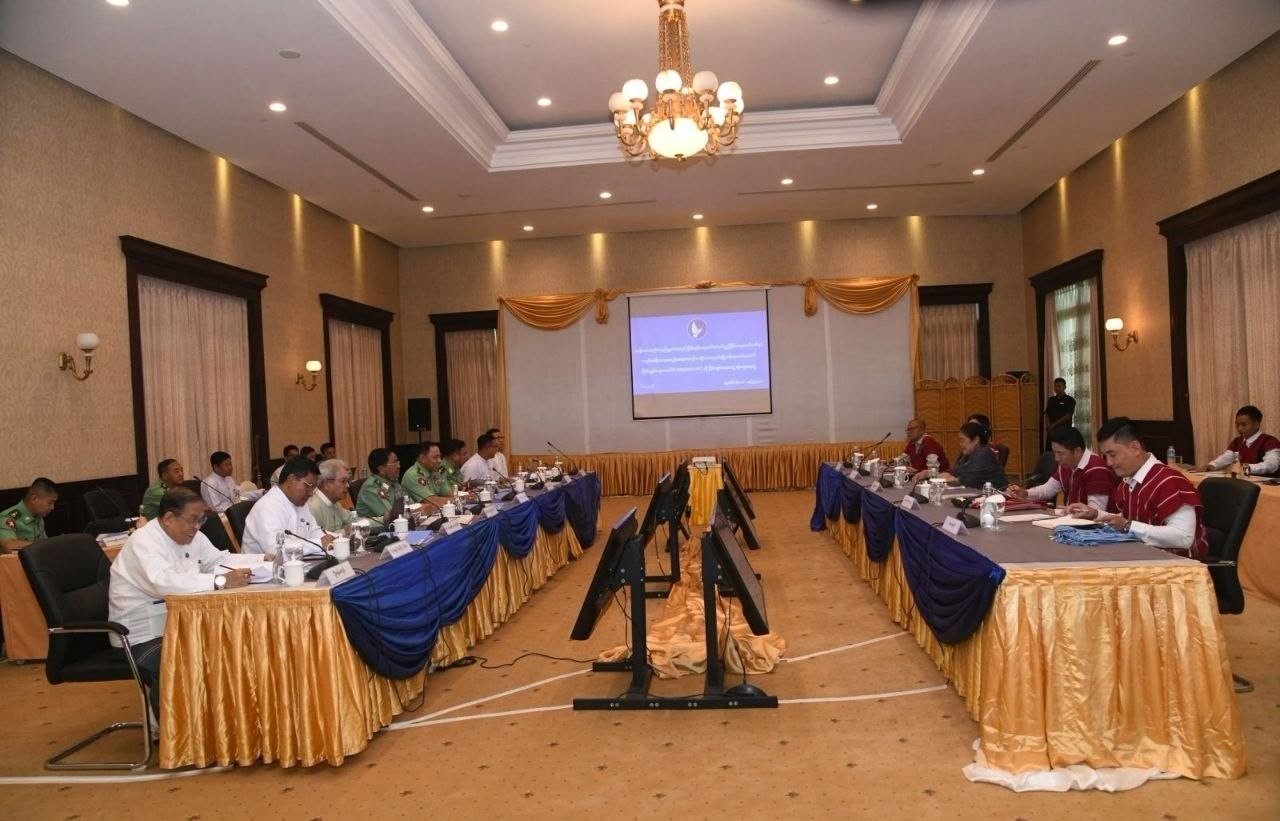
Political analysts have dismissed the military junta’s ongoing dialogue with ethnic armed organizations (EAOs) under coup leader Min Aung Hlaing's self-declared “100-Day Plan” as a superficial public relations effort that is unlikely to deliver a genuine political settlement. Min Aung Hlaing, who assumed the presidency following a widely criticized sham election, designated the period from April 21 to July 31 as the "100-Day Plan". Under this initiative, the junta-controlled National Solidarity and Peacemaking Negotiation Committee (NSPNC) has been convening talks with both signatories and non-signatories of the Nationwide Ceasefire Agreement (NCA). However, experts specializing in ethnic affairs argue that the initiative's primary objective is to project an international image of diplomatic engagement rather than to foster substantive reform. "The junta wants to portray that it has been meeting and holding discussions with EAOs during its self-declared 100-Day Plan, but there has been no meaningful change," an ethnic affairs analyst told the Karen Information Center. "Min Aung Hlaing's so-called peace efforts are still following the same old path laid out by the 2008 Constitution. His position hasn't changed at all, and if the talks continue in this manner, I don't think the regime will produce any solution." Throughout June, the military regime held informal discussions with the 7 EAO Alliance—a coalition representing seven NCA signatory groups—alongside individual meetings with other ethnic organizations. Most recently, on July 6, a delegation led by Dr. Naw Kapaw Htoo, vice chairman of the Karen National Union/ Karen National Liberation Army-Peace Council (KNU/KNLA-PC), met with the NSPNC in the capital, Naypyidaw, to discuss regional transportation links and the flow of commercial goods. Political analysts emphasize that these engagements are transactional rather than peace-oriented. According to analyst Maung Kyaw Swar, the junta's focus is narrowly trained on economic stabilization and reclaiming lost border trade infrastructure. "The junta wants to reopen border trade routes, so it has been demanding the organizations that control those border areas to help facilitate that," Maung Kyaw Swar noted. "When the KNU/KNLA-PC delegation met with the NSPNC, the junta representatives led by General Yar Pyae focused on exactly that issue. The junta has approached other groups with the same demand. That's the junta's priority in its peace approach, and it will be difficult to achieve meaningful results through that method." The sincerity of the peace initiative is further undermined by ongoing military aggression and the exclusion of key stakeholders. While holding talks with the select KNU/KNLA Peace Council, the military has simultaneously sustained heavy ground offensives and airstrikes in territories governed by the Karen National Union (KNU), a major revolutionary group the regime accuses of violating the NCA framework. Furthermore, the junta has entirely barred the anti-coup resistance from the dialogue, completely excluding the National Unity Government (NUG) and the Committee Representing Pyidaungsu Hluttaw (CRPH)—the legislative body formed by elected lawmakers ousted in the 2021 coup. Observers conclude that for any peace process to gain legitimacy, the military regime must pivot toward a transparent, all-inclusive dialogue that includes the post-coup revolutionary forces, halts active offensives, and releases political prisoners.

多角的分析

経済的影響

実務協力は短期の投資案件に直結しなくても、人材育成、技術移転、行政能力の底上げにつながる可能性があります。ただし制度透明性が低いままでは、協力の実効性は限定されます。

投資家心理

投資家にとっては、どの国との実務協力が残っているかがリスク評価の材料になります。外交接点の継続はプラス材料ですが、政治的正統性や制裁環境を切り離して見ることはできません。

社会的影響

オブザーバーの生活者から見れば、国際協力は遠い話に見えます。だからこそ、BNI (Burma News International)の報道では、合意文書ではなく生活上のリスクに触れる具体策が出るかを追う必要があります。

市民の声

市民にとっては、会談そのものよりも、雇用、教育機会、公共サービスの改善として実感できるかが焦点です。成果が見えなければ公式報道への信頼は高まりません。

背景・歴史的文脈

このニュースは、ミャンマー政府が対外関係を通じて行政分野の協力を維持しようとする動きです。国際的な孤立や制裁圧力が続く中でも、科学技術、教育、金融など実務分野の会談は、政府間チャネルを保つ意味を持ちます。

原文ソース

BNI (Burma News International)

原文を読む