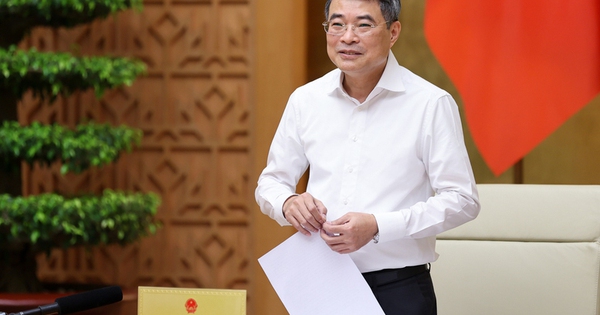
PM Leads Central Steering Committee for National Target Programs Implementation
Politics
2026年7月2日
5
Bao Chinh Phu

PM Leads Central Steering Committee for National Target Programs Implementation

AI サマリー

Vietnam has established a Central Steering Committee for the implementation of national target programs, chaired by the Prime Minister. The committee aims to enhance government policy execution by promoting initiatives such as new rural development, improved education and healthcare quality, and cultural advancement.

The Vietnamese government has established a Central Steering Committee for the implementation of national target programs, chaired by the Prime Minister. This decision aims to bolster the government's efforts in achieving the nation's development objectives. Chaired by Prime Minister Le Minh Hung, the newly formed committee will have Deputy Prime Minister Ho Quoc Dong as its standing deputy head, and Deputy Prime Ministers Pham Thi Thanh Tra and Le Tien Chau as deputy heads. Its members include the Minister of Agriculture and Environment Trinh Viet Hung; Minister of Education and Training Hoang Minh Son; Minister of Culture, Sports and Tourism Lam Thi Phuong Thanh; Minister of Health Dao Hong Lan; Minister of Ethnic and Religious Affairs Nguyen Dinh Khang; Minister-Chairman of the Government Office Dang Xuan Phong; Deputy Minister of Agriculture and Environment Nguyen Hoang Hiep; Deputy Minister of Finance Ta Anh Tuan; Deputy Minister of National Defense Nguyen Quang Ngoc; Deputy Minister of Justice Nguyen Thanh Tu; Deputy Minister of Construction Nguyen Van Sinh; Deputy Minister of Science and Technology Bui Hoang Phuong; Deputy Minister of Home Affairs Nguyen Thi Ha; Deputy Minister of Industry and Trade Nguyen Sinh Nhat Tan; Deputy Governor of the State Bank of Viet Nam Nguyen Ngoc Canh and Deputy General Director of Viet Nam Bank for Social Policies Nguyen Thi Hang. The committee will direct and coordinate the implementation of the following four national target programs: 1. The national target program on new rural development, sustainable poverty reduction, and socio-economic development in ethnic minority and mountainous areas. 2. The national target program on modernizing and improving the quality of education and training. 3. The national target program on cultural development. 4. The national target program on health care, population, and development. The committee will be responsible for studying and proposing strategic directions, tasks, and solutions for the management and implementation of these programs to the Government and the Prime Minister. It will also oversee the implementation of five-year and annual plans, monitor and evaluate the achievement of objectives, the allocation and utilization of resources, and the disbursement of funds, as well as direct mid-term and final reviews and commendation activities. This establishment of the steering committee is seen as part of the efforts to strengthen the government's capacity for efficient and centralized policy execution within Vietnam's one-party system. It underscores the need for enhanced coordination and rigorous progress management, particularly in addressing pressing issues such as maintaining economic growth, reducing social disparities, and improving the quality of life for citizens.

多角的分析

経済的影響

この中央指導委員会の設置は、ベトナム政府が掲げる「国家目標プログラム」の実行力を強化し、経済成長の持続と社会開発のバランスを取るための戦略的な動きと言える。特に、新農村開発や貧困削減、少数民族地域への支援は、地方経済の活性化と国内格差の是正に不可欠である。これらのプログラムへの投資と効果的な実行は、内需の拡大や地域間の経済的均衡に寄与し、長期的な経済安定に繋がる可能性がある。一方で、プログラムの実行には多額の予算が必要となるため、財政規律の維持と透明性の確保が、経済的持続可能性の観点から重要となる。

投資家心理

投資家にとって、この指導委員会の設置は、ベトナム政府がインフラ、教育、医療、文化といった分野への開発投資を強化する意思表示と捉えられる。特に、新農村開発や少数民族地域への社会経済開発プログラムは、地方のインフラ整備や地域経済への投資機会を生み出す可能性がある。教育・医療分野の質向上は、将来的な人的資本の向上に繋がり、長期的な経済成長の基盤強化に寄与する。投資家は、これらのプログラムの具体的な進捗と資金配分を注視し、関連セクターへの投資機会を探ることになるだろう。ただし、ベトナム特有の官僚主義や実行上の課題も考慮する必要がある。

社会的影響

この中央指導委員会は、ベトナム社会の多岐にわたる課題、特に地方の発展、貧困、教育・医療の格差、文化の維持・発展に直接的に影響を与える。少数民族地域や山岳地帯における社会経済開発プログラムは、これらの地域住民の生活水準向上と社会統合を促進する。教育・医療の質向上は、全国民の福祉向上に不可欠であり、特に地方や貧困層へのアクセス改善が期待される。文化発展プログラムは、ベトナムの多様な文化遺産を保護・促進し、国民のアイデンティティ形成に貢献するだろう。これらのプログラムの成功は、社会全体の安定と発展に不可欠である。

市民の声

ベトナム国民、特に地方住民や少数民族にとっては、この中央指導委員会の設置は、生活改善への期待を抱かせるものとなる。新農村開発プログラムは、道路、灌漑施設、通信網などのインフラ整備を通じて、農村地域の生活環境を改善する可能性がある。貧困削減策は、経済的に困難な家庭への支援を強化し、生活の安定に繋がるだろう。教育・医療プログラムの質向上は、子供たちの学習機会の拡大や、病気に対するより良い医療サービスの提供を意味する。これらのプログラムが地方の実情に即して効果的に実施されるかが、国民の生活実感に直結する。

背景・歴史的文脈

ベトナムは1986年のドイモイ(刷新)政策以降、市場経済化を進め、目覚ましい経済成長を遂げてきた。しかし、その過程で地域間格差、貧困、教育・医療へのアクセス不平等といった社会課題も顕在化している。これらの課題に対応するため、ベトナム政府は「国家目標プログラム」を複数設定し、開発目標の達成を目指してきた。2021-2025年の計画期間においても、新農村開発、持続可能な貧困削減、教育・医療の質向上、文化振興などを柱とするプログラムが推進されている。今回の首相主導の中央指導委員会の設置は、これらのプログラムの実行をより強力に推進し、政府の政策遂行能力を強化するための体制整備と位置づけられる。

原文ソース

Bao Chinh Phu

原文を読む