General articles are free for 24 hours after publish.
Philippines' 2027 Budget: Optimistic Projections Mask Fiscal Risks
The Philippines has proposed a PHP 7.2 trillion ($115 billion) budget for 2027, a 6% increase year-on-year, prioritizing education and economic services. However, optimistic growth and exchange rate assumptions may mask risks of widening fiscal deficits and rising debt.
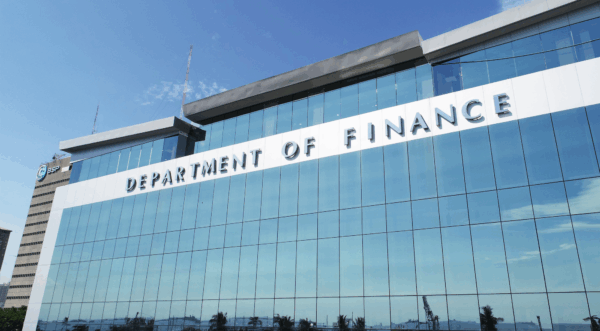
Read The Diplomat, Know The Asia-Pacific The budget, which anticipates a return to strong growth next year, is based on some optimistic assumptions about the direction of the global economy. The Philippine Ministry of Finance building in Manila, Philippines, Aug. 20, 2019. Lawmakers in the Philippines are working to pass a proposed PHP 7.2 trillion ($115 billion) budget for 2027. The budget still needs to pass through various legislative committees before a final vote, but so far the process looks less dramatic than last year’s fiscal showdown, when lawmakers slashed funding for the Department of Public Works after a massive scandal involving fictitious infrastructure projects. 2027, by comparison, looks to be pretty calm by budgeting standards. The 7.2 trillion in expenditures represents a 6 percent increase over last year, with a substantial slice of total spending (17 percent) allocated for education and manpower. A quarter of public spending will go toward economic services such as agriculture, infrastructure and subsidies to local governments, while defense spending is set to get over 6 percent of total outlays. This is all rather unremarkable, but it’s worth digging into some of the underlying assumptions to better understand the Philippines’ spending plans relative to its fiscal position. The first thing to note is that economic growth is slowing. Budget planners are now expecting GDP growth to come in somewhere between 3.5 and 4.5 percent in 2026. The World Bank agrees, projecting an annual growth rate of 3.7 percent. This is hardly unique to the Philippines. Countries across the region and around the world are facing stiff economic headwinds due to geopolitical instability, trade frictions, and rising energy prices. But in recent years, including 2027, budget planners have adopted very optimistic views about future growth. Last year, when they were making the 2026 budget, planners assumed GDP growth this year would be between 6 and 7 percent. Actual growth is going to be quite a bit lower than that, potentially below 4 percent. In 2027, planners are forecasting GDP will bounce back to between 5 and 6 percent. This is possible, but right now energy prices, borrowing costs, and foreign exchange rates are going in the opposite direction and make such projections highly uncertain. The 2027 budget framework assumes the Philippine peso will not pass 62 to the U.S. dollar, and that oil won’t go past $90. Dubai Crude, the benchmark used by planners, is around $115 right now, and the peso is trading at nearly 63 to the dollar. It is not certain these conditions will improve next year, particularly given that Donald Trump will still be loose in the world. Recent budgets in the Philippines have consistently been anchored by optimistic projections about growth, causing revenue to underperform forecasts in both 2025 and 2026. Tax revenue in particular has been coming up short, as it’s one of the first line items to get squeezed when the economy hits a bump in the road. Revenue shortfalls force the government to either cut spending or seek more non-tax revenue. Indeed, non-tax revenue has been doing a lot to close the gap, which probably helps explain why efforts to privatize state-owned assets like airports and casinos have been gathering steam lately. As a result, the Philippines has been consistently running budget deficits in excess of 5% of GDP for the last several years. Total government debt is steadily rising, which is not, in and of itself, a problem. But it can be a problem if revenue doesn’t keep up while borrowing costs rise, which is the state of affairs we currently find ourselves in. Budget forecasters are assuming short-term Treasury bills in the Philippines will pay between 5 and 6 percent in 2027. They are currently at nearly 6 percent. Interest payments on existing debt are beginning to eat up more and more of annual expenditures, rising from 10% of spending in 2021 to 15 percent in the 2027 budget. This leaves less room for spending on priority programs, and infrastructure outlays have borne the brunt of the cuts. Spending on infrastructure is slated to reach PHP 832 billion in 2027, a 35 percent decrease compared to the high point of 2024. A lot of this is from big cuts to the Department of Public Works, which saw its budget slashed by 50 percent in 2026 following a big scandal. It also means less money for other priority projects, like defense modernization. The Philippines has been at the forefront of territorial disputes with China in the South China Sea and announced a 10-year $35 billion military modernization plan in 2024. While they are making steady progress in procuring new weapons platforms, the 2027 budget allocated just PHP 50 billion ($800 million) to this program, which is well off the pace required to meet the ambitious targets. Facing the prospect of a prolonged energy shock, a weaker peso, softening growth, rising inflation, persistently high borrowing costs, and a general increase in geopolitical risk and uncertainty, it would seem prudent for fiscal planners to be cautious in their assumptions about the future. But in the Philippines, optimism prevails, which is admirable in some ways but has also caused revenue to underperform forecasts in recent years. Subscribe today and join thousands of diplomats, analysts, policy professionals and business readers who rely on The Diplomat for expert Asia-Pacific coverage. Get unlimited access to in-depth analysis you won't find anywhere else, from South China Sea tensions to ASEAN diplomacy to India-Pakistan relations. More than 5,000 articles a year. Already have an account? Log in. James Guild is an expert in trade, finance, and economic development in Southeast Asia. Get briefed on the story of the week, and developing stories to watch across the Asia-Pacific.
Original source
The Diplomat Indonesia