General articles are free for 24 hours after publish.
3 Tons of Pangolin Scales Smuggling Case Leads to Environmental Restoration Lawsuit
A civil lawsuit has been filed seeking compensation for environmental damage following the smuggling of three tons of pangolin scales in Indonesia. The case involves companies and individuals, highlighting concerns for endangered species and ecological impact.
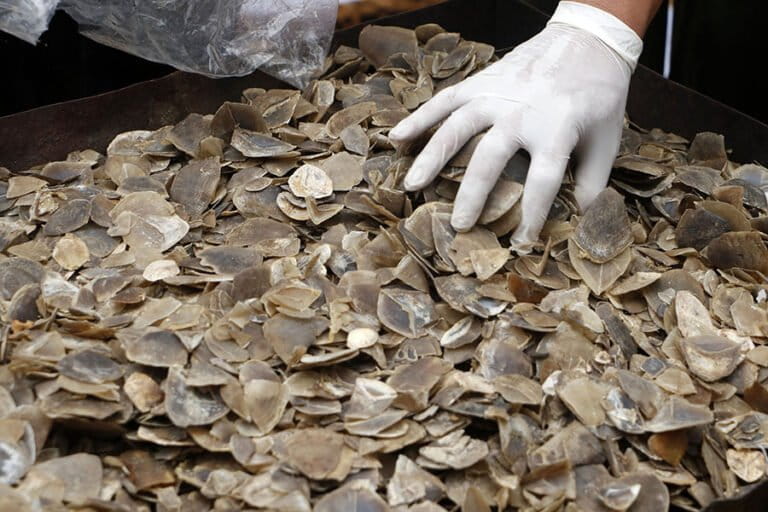
A case involving the smuggling of three tons of pangolin scales has entered a new phase in Indonesia. Beyond criminal proceedings, the perpetrators now face a civil lawsuit seeking compensation for environmental damage. The environmental foundation Yayasan Scents filed the lawsuit in early September at the East Jakarta District Court under case number 565/Pdt.G/2026/ PN Jkt.Tim. The illegal trade involved three companies: PT VTM, which handled export administration; PT TSR, the exporter to Cambodia; and PT LWA, identified as the provider of a warehouse for the pangolin scales. Four individuals were also implicated: AAM, who possessed 2,700 kilograms of scales; VXH, owner of 353 kilograms; MIS, identified as the operator; and TT, the coordinator of the operation. Through this civil suit, Yayasan Scents is demanding compensation of Rp2.46 billion (approximately USD 246,000) from these seven parties. This amount is intended to cover the environmental restoration costs resulting from the killing of an estimated 8,532 pangolins, whose scales were trafficked. Pangolins are listed as critically endangered by the IUCN (International Union for Conservation of Nature). Ma’ruf Erwan, Director of Yayasan Scents, stated that the loss of thousands of pangolins from the wild is not merely a violation of wildlife trade regulations. He emphasized that the large-scale removal inflicts significant damage on biodiversity and ecological functions. Pangolins are insectivores, primarily feeding on ants and termites, and their activities help control insect populations, playing a crucial role in their habitat's ecological balance. Their unique digging behavior also contributes to soil health, aeration, water movement, and other ecological processes. Erwan further explained that pangolins are solitary, territorial animals that live at low population densities. "If taken from the wild in such large numbers..." he noted, implying the severe impact on their populations. This lawsuit underscores the challenges in wildlife conservation in Indonesia and the tension between economic activities and environmental protection. Legal action to protect critically endangered species like pangolins could set a significant precedent for future wildlife protection efforts.
Original source
Mongabay Indonesia