Laos to Raise Minimum Wage from January, Buddhist Events Mark Busy Period
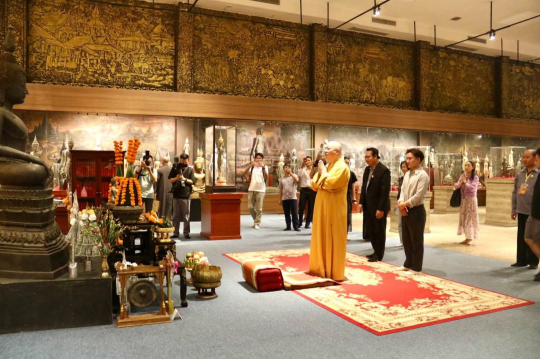
The Lao government will increase the minimum wage and cost-of-living allowance for workers in production, business, and service units nationwide to a combined 3.4 million kip per month, effective January 1, 2027. The period also saw active Buddhist international conferences and traditional festivals.
Read up to 3 eligible full articles per Japan day (JST) for free
Create a free account to open up to 3 eligible full articles per Japan calendar day (JST). Headlines and summaries remain available across ASEAN 7.
Related articles
- Laos Celebrates End of Buddhist Lent with Colorful River Traditions
Laos is celebrating the end of the three-month Buddhist Lent (Boun Ork Phansa) with religious ceremonies and traditional festivities along the Mekong River. The capital, Vientiane, will host its annual Boat Racing Festival on October 27, drawing many residents and visitors to experience cultural traditions.
- Laos Celebrates End of Buddhist Lent, Intertwining Tradition and Community Activities
Laos celebrated Boun Ork Phansa, the end of Buddhist Lent, with nationwide festivities that intertwined religious observances with community events. These included Russian circus performances, a charity marathon supporting children's healthcare, and awareness programs on weed management, highlighting the preservation of Lao cultural heritage and community engagement.
- Russian Circus to Offer Free Performances in Vientiane
Russian circus performances will be held free of charge at the National Circus in Vientiane in late November. The event aims to foster cultural exchange, offering residents and international visitors a chance to enjoy entertainment without admission fees.
- Laos Imposes 3-Year Ban on Korean Work Visas if Overstay Rate Hits 70%
Laos has introduced new regulations to curb overstaying by seasonal workers in South Korea, imposing a three-year ban on visa issuance if the national overstay rate reaches 70%. The move aims to expand overseas employment opportunities while enhancing worker management.