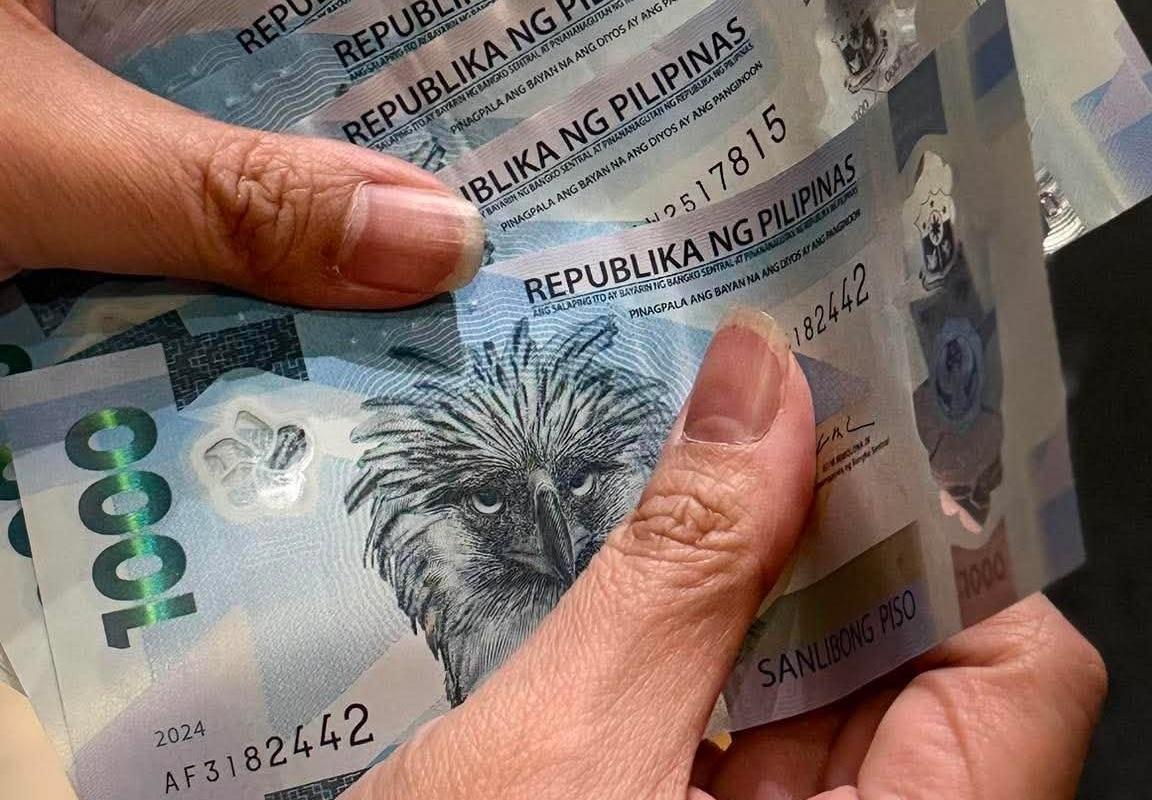
Philippine Peso Hits Record Low Against Dollar, Raising Economic Concerns
The Philippine peso weakened further against the US dollar, breaching the P63:$1 mark for the first time and marking its 27th record low this year. Factors contributing to the depreciation include increased expectations of a US interest rate hike, geopolitical risks, and a decline in the country's gross international reserves.
Read up to 3 eligible full articles per Japan day (JST) for free
Create a free account to open up to 3 eligible full articles per Japan calendar day (JST). Headlines and summaries remain available across ASEAN 7.
Related articles
- Senate Eyes December Budget Approval Amid Spending Concerns
The Philippine Senate aims to finalize its version of the P7.2-trillion national budget for 2027 by the second week of December, facing scrutiny over House-approved spending changes and a tighter schedule due to an impeachment trial.
- UPS Welcomes PHL Investments in High-Tech Manufacturing, Economic Zones
Logistics giant UPS welcomes the Philippine government's investment initiatives in high-tech manufacturing, free trade zones, and economic zones. At the launch of its new international hub in Clark, the company expressed support for investments that contribute to economic development and job creation.
- Gatchalian Flags Upcoming Power Rate Hike Amid Inflation Surge
Manila Electric Company (Meralco) announced an upcoming increase in electricity rates for October, citing elevated fuel costs. Senate President Sherwin Gatchalian expressed concern over the hike amid the ongoing inflation surge, warning of its impact on household budgets.
- Inflation, Corruption Top Concerns for Filipinos: Pulse Asia Survey
A recent Pulse Asia survey reveals that Filipinos continue to prioritize controlling inflation and eradicating government corruption. The September 2026 Ulat ng Bayan survey indicates these issues are the primary concerns for the majority of the population.