Cambodia to Develop Northeast as Fourth Economic Hub, Hun Sen Eyes Agro-Industry and Mining
Cambodian Senate President Hun Sen announced plans to develop the country's northeastern region into a fourth economic hub, focusing on agro-industry and mining. This initiative is expected to contribute to Cambodia's vision of becoming a high-income nation by 2050. Addressing local officials in Ratanakiri province, he urged for improved public service delivery and stricter measures against tax evasion to boost national revenue.
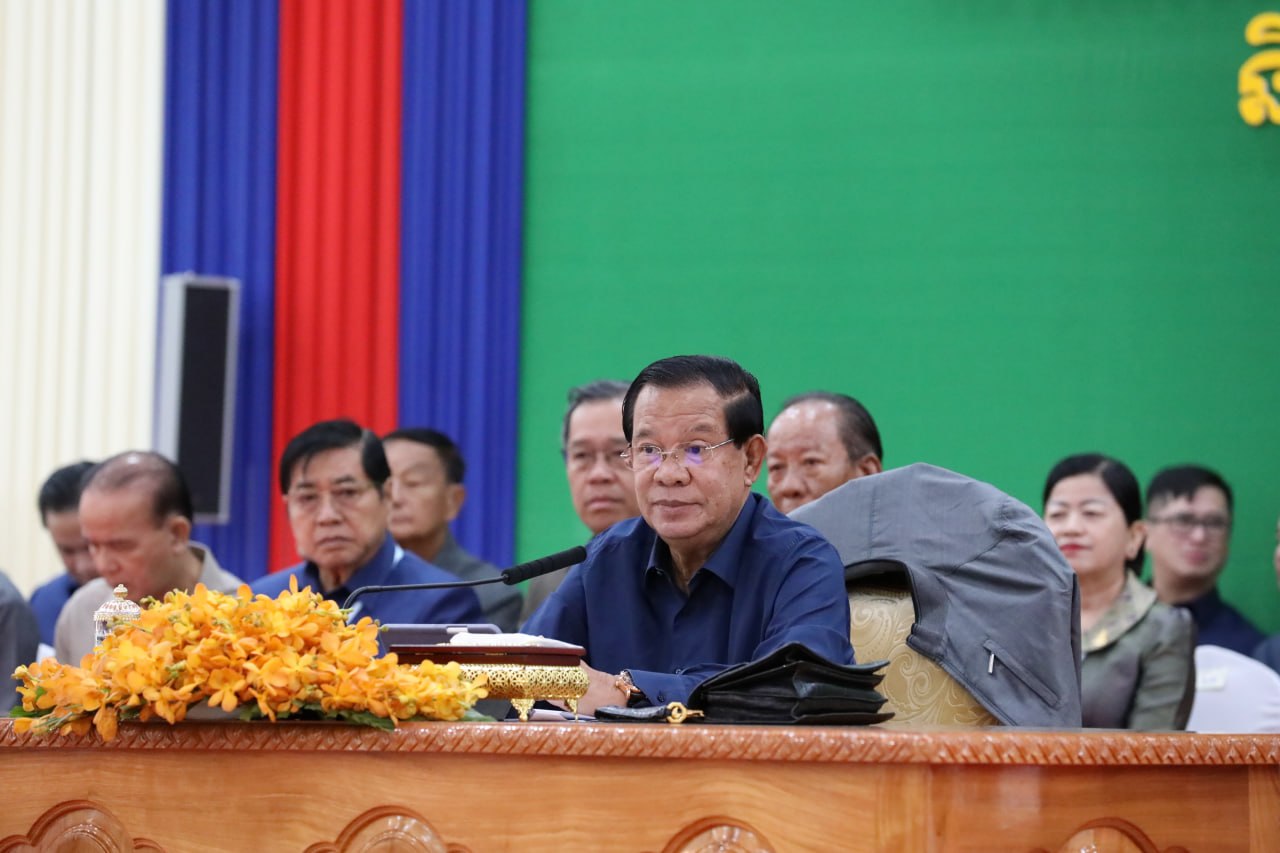
Cambodian Senate President Hun Sen has stated that the northeastern region of the country will be developed into a fourth economic hub, with a focus on agro-industry and mining. This initiative is expected to contribute to achieving Cambodia's vision of becoming a high-income country by 2050. Samdech Techo Hun Sen made these remarks on the morning of July 8, 2026, during a meeting with 785 provincial council members and leaders of various departments in Ratanakiri province, held in Banlung city. He expressed high praise and appreciation for the provincial leadership, civil servants, and local working groups for their past efforts. He reminded all civil servants, especially commune and village council members, to continue diligently fulfilling their duties to serve the nation and its people, emphasizing the need for prompt, efficient, and effective delivery of essential services to citizens. Samdech Techo also urged and supported the strengthening of tax collection and customs efficiency, along with strict measures to prevent tax evasion and undeclared business activities, in order to increase national revenue. Concurrently, Samdech Techo, the Senate President, reminded all officials to maintain national stability and pay close attention to social security and order by continuing to implement the "Safe Village, Commune, and District" policy. This includes cracking down on various offenses such as snatch theft, robbery, drug trafficking, and technological crimes. Samdech Techo also urged all levels of authorities to continue paying attention to the welfare of veterans and pensioners, recognizing their significant contributions to national development. He stressed the importance of visiting and organizing events for them to prevent feelings of isolation. Furthermore, he instructed all levels of authorities and relevant institutions to give high priority to the well-being and livelihoods of fallen soldiers, disabled soldiers, and their families. He emphasized that the management and care of veterans should be in-depth, encouraging their children to pursue higher education and become intellectuals as a way to repay their immense sacrifices for the nation. On this occasion, Samdech Techo Hun Sen also called on all levels of authorities to strengthen the protection, conservation, and prevention of all natural resource offenses. He requested the Ratanakiri provincial authorities to enhance border cooperation with Vietnam and Laos, ensuring that the borders of the three countries remain borders of peace and cooperation, particularly to further improve economic and trade relations between them. According to a report by His Excellency Nhem Samoeun, Governor of Ratanakiri Province, Ratanakiri province is located in the northeast of Cambodia, 588 kilometers from Phnom Penh. It has a total area of 10,782 square kilometers, comprising one city, eight districts, 46 communes, four sub-communes, and 243 villages. The province borders Stung Treng province to the west, Gia Lai and Quang Ngai provinces of Vietnam to the east, Attapeu province of Laos to the north, and Mondulkiri province to the south. The province has one international border crossing, the O'Yadaw International Border Checkpoint. His Excellency added that under the leadership of the government from previous mandates to the current one, the province has seen continuous development. Ratanakiri province has nine large factories, including five rubber processing factories, two banana processing factories, one rubber and fruit processing factory, and one cassava processing factory. The province also has companies engaged in mining, such as two gold mining industries, ten stone quarrying businesses, three construction stone businesses, and eight sand and construction businesses. It should be noted that this is the 18th mission and the 21st province/city visit by Samdech Techo to meet with leaders and officials from various ministries and institutions across the provinces. The purpose is to strengthen accountability between the Senate and the electorate for transparency, as well as to promote greater efficiency in local work. Additionally, it aims to foster closer relationships with local authorities and to remind local officials to increase their attention to their duties and to provide better public services to the people. By: Chim Nary © All rights reserved by Agence Kampuchea Presse 2018
多角的分析
北東部を経済拠点化する計画は、カンボジアが長年抱える地域間格差の是正と、経済成長の多角化を目指す動きの一環と見られる。特に、農業・鉱業への注力は、同地域が持つ天然資源と労働力を活用しようとする意図がうかがえる。しかし、これらの産業は国際価格の変動や環境への影響といったリスクも内包しており、持続可能な開発のためには慎重な計画と実行が求められる。過去には、鉱物資源開発が地域住民の権利や環境保護との間で摩擦を生んだ事例もあり、今回の開発においても同様の課題が生じないか注視する必要がある。
この計画は、カンボジアの一次産品セクターへの投資機会を創出する可能性がある。特に、農業分野では加工業への投資、鉱業分野では探査・採掘への投資が考えられる。しかし、北東部はインフラが未整備な地域であり、物流コストの高さや人材確保の難しさが投資リスクとなる可能性がある。また、開発に伴う環境規制や社会的な合意形成のプロセスも、投資家が考慮すべき重要な要素となるだろう。中国をはじめとする近隣諸国の投資動向も、今後のカンボジア経済の発展に影響を与えると考えられる。
北東部を経済拠点化する計画は、地域住民の生活向上に繋がる可能性がある一方で、土地利用や資源開発を巡る摩擦を生むリスクもはらんでいる。特に、先住民族や伝統的な生活様式を持つコミュニティへの影響は懸念される。政府は、住民との十分な協議と合意形成プロセスを確保し、彼らの権利と文化を尊重する必要がある。また、開発に伴うインフラ整備は、教育や医療へのアクセス改善にも寄与する可能性があるが、その恩恵が地域住民全体に公平に行き渡るかが問われる。
北東部が新たな経済拠点となることで、雇用機会の増加や地域経済の活性化が期待される。しかし、開発の恩恵が一部の地域や層に偏る可能性も指摘されている。特に、農村部や貧困層の生活がどのように改善されるのか、また、開発に伴う環境問題や社会的な影響について、市民の不安に寄り添った丁寧な説明と対応が求められる。過去のインフラ開発プロジェクトでは、住民移転や補償を巡る問題が発生した例もあり、今回は透明性の高いプロセスが重要となる。
背景・歴史的文脈
カンボジアは長年、首都プノンペンと沿岸部の経済活動に依存してきたが、地域間格差の是正と経済成長の持続可能性を高めるため、内陸部の開発が課題とされてきた。特に北東部は、豊かな天然資源を持つ一方で、インフラ整備の遅れやアクセスの悪さから経済発展が遅れていた。2010年代以降、中国からの投資が増加し、インフラ開発が進む中で、同地域を新たな経済成長のフロンティアと見なす動きが強まってきた。今回の発表は、こうした背景を踏まえ、国家戦略として北東部の開発を加速させる意図を示している。
原文ソース
AKP Khmer