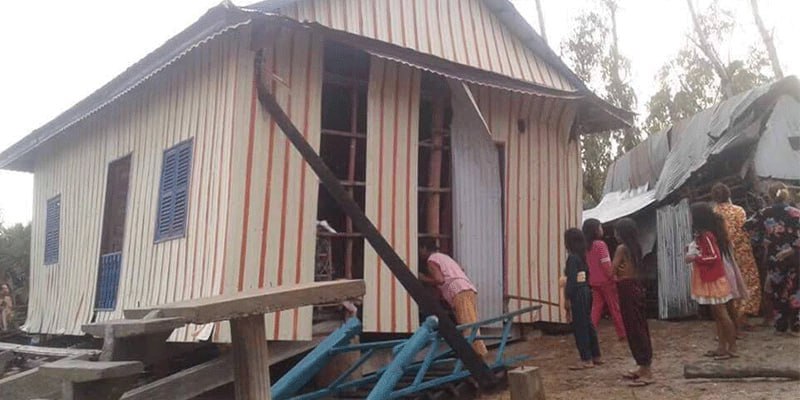
Cambodia: Nearly 1,000 Disasters in 8 Months, Over 200 Casualties
Cambodia experienced 977 disasters, including fires, tornadoes, and lightning strikes, from January to August this year, resulting in 217 deaths or injuries and affecting 8,512 homes. Both the number of incidents and casualties have increased compared to the same period last year.
This article requires PRO
This article is outside the free access window or is a special report. PRO unlocks it and the full archive.
Related articles
- Cambodia Strengthens Disaster Preparedness, Building Resilience Inclusive of Vulnerable Groups
Cambodia is prioritizing the enhancement of its disaster response capabilities against natural calamities like floods and heatwaves. Emphasis is placed on building community resilience that comprehensively supports vulnerable populations, including the elderly, disabled, and low-income individuals. This highlights the necessity for multifaceted measures extending beyond infrastructure to include reliable communication systems, healthcare, water, and evacuation plans.
- Tropical Storm In-fa's Influence on Cambodia, Rainfall Probability Remains Low
Tropical Storm In-fa is expected to influence Cambodia, but the probability of widespread rainfall remains low, estimated between 15% to 30%. Inland and highland areas have a 15% chance, while coastal regions face a 30% probability.
- Typhoon In-fa's Influence: Cambodia Forecasted to Experience Rain, Thunderstorms, and Gusty Winds for Three Days
The Cambodian Ministry of Water Resources and Meteorology has announced that due to the influence of Tropical Storm In-fa, rain, thunderstorms, and gusty winds are expected across the country from November 1st to 3rd. While Cambodia is not directly in the storm's path, caution is advised.
- Crop Failures Due to Natural Disasters Force Cambodian Farmers to Rely on Insect Farming for Livelihoods
In Cambodia's jungle regions, farmers are turning to insect farming as a lifeline amidst severe crop damage caused by natural disasters. The farming of crickets and other insects has become a crucial source of income to support household finances.