General articles are free for 24 hours after publish.
Vietnam's inflation hits 3-month high amid rising fuel and food costs
Vietnam's inflation rose 2.53% year-on-year in August, driven primarily by higher fuel prices and Middle East tensions. Food prices also saw an upward trend, while the government maintains its annual inflation forecast.
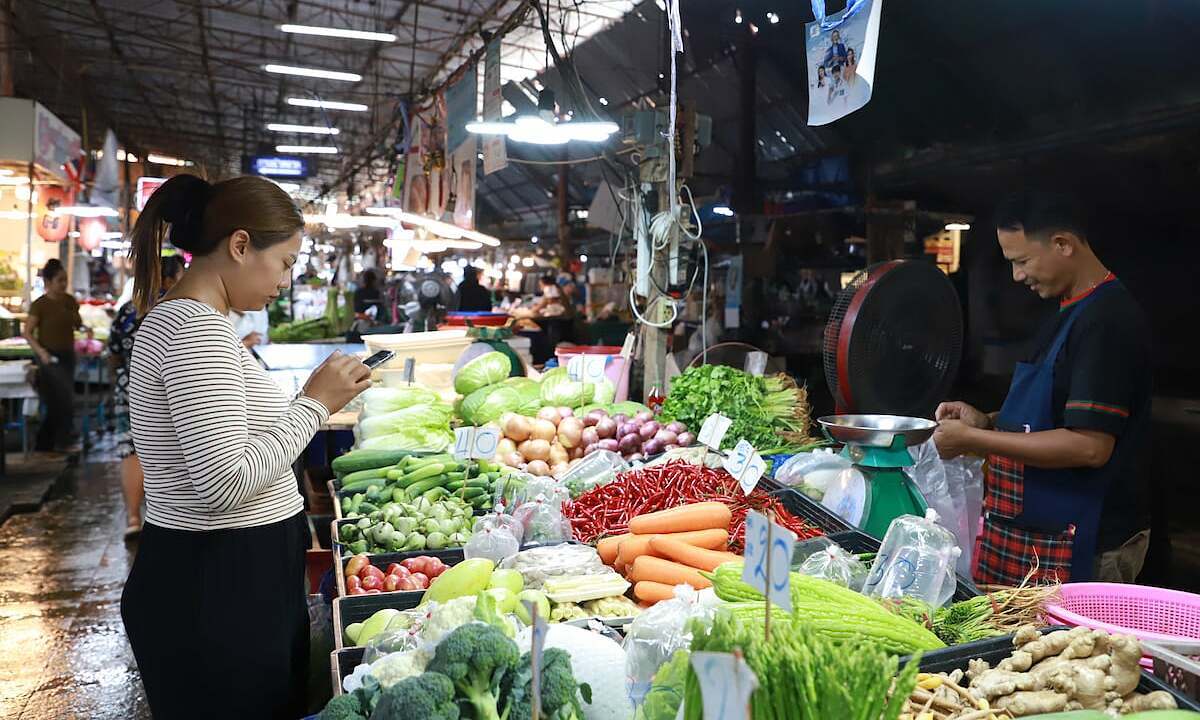
Vietnam's inflation rose 2.53% year-on-year last month, marking a three-month high. For the first eight months of the year, inflation was up 1.37% compared to the same period last year. The primary driver for the August increase was the sustained high domestic fuel prices, exacerbated by the prolonged Middle East conflict and economic sanctions. Prices in the food and non-alcoholic beverages category saw a year-on-year increase of 2.99%. Prepared meals, in particular, experienced broad and relatively sharp price hikes, with indications that these elevated prices may persist. Items that became more expensive included ready-cooked side dishes, noodles, rice with curry, rice with stir-fried basil, and fried rice. Prices of white rice, eggs, fresh vegetables, and fresh fruit also increased, along with seasonings and non-alcoholic beverages such as drinking water, instant coffee, and hot and iced coffee. Fresh chicken prices also rose, partly attributed to stronger purchasing power under the government's "Thai Chuey Thai Plus" scheme. However, some food items, including sticky rice, dried or grated coconut, tamarind paste, and meals ordered for delivery, saw price declines. Prices for goods and services other than food and beverages rose 2.23% from a year earlier, mainly driven by higher fuel and public transport costs. While Thailand's inflation was the third lowest among ASEAN countries in July, the recent surge in fuel and food costs puts upward pressure on Vietnam's price levels. The State Bank of Vietnam has stated that its monetary policy is accommodative and appropriate for the economy, keeping its key interest rate unchanged at 1%. The next rate meeting is scheduled for October 28. The Ministry of Commerce has maintained its forecast for average headline inflation in 2026 at 1.5–2.5%, with a midpoint of 2.0%. Thailand's GDP ranked third in Southeast Asia last year behind Indonesia and Singapore, according to the IMF. As a key economy in ASEAN, Vietnam's inflation trends can influence regional economic stability. Under its one-party system, Vietnam consistently faces the challenge of balancing economic growth with price stability, and the government is expected to implement measures to curb inflation and maintain socio-economic stability. Furthermore, Vietnam's significant economic ties with China mean that fuel and food price impacts are also closely watched in relation to regional supply chain stability. Information source: VnExpress International
Original source
VnExpress International