Khmer Rouge Memorials: PM Orders Enhanced Protection on UNESCO Inscription Anniversary
Culture
2026年7月13日
4
Phnom Penh Post

Khmer Rouge Memorials: PM Orders Enhanced Protection on UNESCO Inscription Anniversary

AI サマリー

One year after three Khmer Rouge-linked memorial sites in Cambodia were inscribed on the UNESCO World Heritage List, Prime Minister Hun Manet has instructed authorities to ensure their long-term protection and prevent development that could undermine their heritage value.

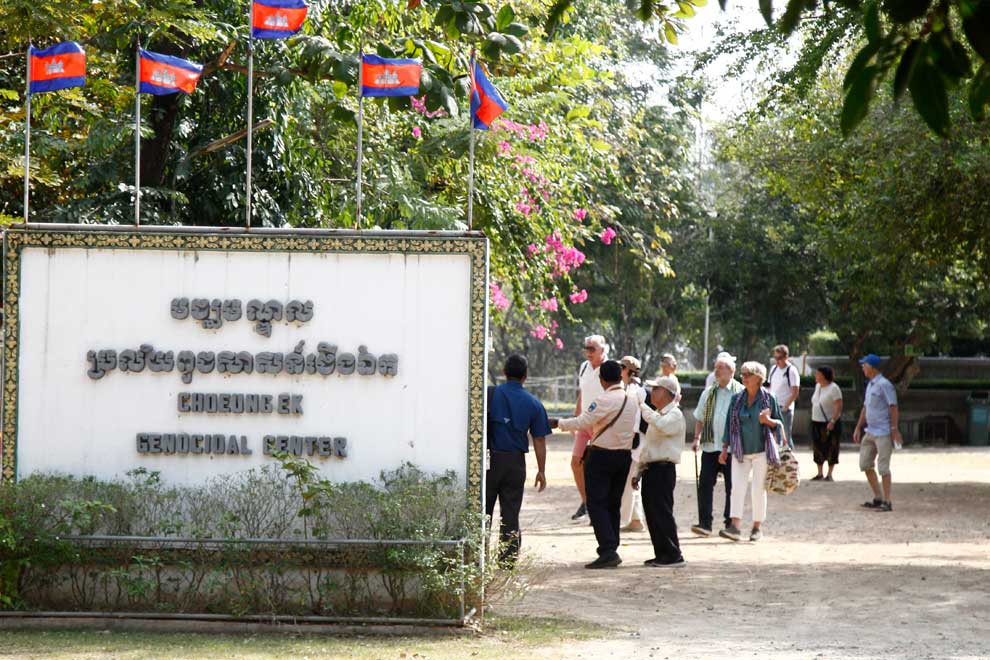
One year after three of Cambodia’s Khmer Rouge-linked memorial sites were inscribed on the UNESCO list of World Heritage Sites, Prime Minister Hun Manet has instructed cultural authorities and local administrations to ensure their long-term protection and prevent construction that could undermine their heritage value. The three components of the UNESCO property represent different stages of the Khmer Rouge regime’s system of detention, torture and murder. M-13 was an early Khmer Rouge detention centre in Kampong Speu, while S-21, housed in the former Tuol Sleng school in Phnom Penh, became one of the regime’s most notorious security prisons. Choeung Ek was a major execution and burial site, or killing field, linked to S-21. Rather than preserving the sites solely as evidence of past atrocities, the World Heritage inscription frames them as places where the memory of crimes can contribute to education, reflection, reconciliation and peace. Prime Minister Hun Manet used the July 11 anniversary to instruct cultural authorities and local administrations to safeguard the historic landscape of Cambodia’s three UNESCO-listed Khmer Rouge memorial sites and prevent construction that could undermine their heritage value. In a message released to mark the anniversary, Manet said the three sites should be protected for the long term and managed in accordance with the operational principles of the UNESCO World Heritage Centre. The three sites were collectively inscribed on the UNESCO World Heritage List on July 11, 2025, under the title “Cambodian Memorial Sites: From Centres of Repression to Places of Peace and Reflection”, following Decision 47 COM 8B.14, adopted at the 47th session of the World Heritage Committee in Paris, France. “I instruct the Ministry of Culture and Fine Arts, local authorities and relevant institutions to continue paying close attention to preserving the sites and preventing any construction that affects the historic landscape of Cambodia’s Memorial Sites,” Manet said. He added that authorities must ensure the sites are protected for generations to come as a form of modern World Heritage in Cambodia’s history, while carrying out management and conservation work carefully and in line with World Heritage guidelines. The prime minister described the UNESCO inscription as an effort to preserve the legacy of remembrance, encourage the study of historical lessons and protect peace for future generations. He credited the initiative to former prime minister and current Senate president Hun Sen, saying the memorial sites offered the world a Cambodian model of national reconciliation, the pursuit of justice for victims, education and peacebuilding. Their inscription, Manet said, represented a major achievement for the Kingdom on the international stage and reflected the struggle, sacrifice and resilience of the Cambodian people in their pursuit of peace. He linked the achievement to Cambodia’s national reconciliation and the country’s subsequent development, saying peace had provided a foundation for national construction, cultural conservation and the protection of historical truth. The prime minister also praised officials from the culture ministry, the inter-ministerial commission, local authorities and other specialists who worked on the nomination. He thanked UNESCO’s Phnom Penh office, the World Heritage Centre, the International Council on Monuments and Sites (ICOMOS), the International Centre for the Study of the Preservation and Restoration of Cultural Property (ICCROM), the Korea International Cooperation Agency (KOICA), GIZ Civil Peace Service, national and international experts and survivors of the Khmer Rouge regime for supporting the inscription process. According to Manet, their contribution helped secure international recognition of the memorial sites’ universal value as witnesses to historical truth and as places dedicated to remembrance and the protection of peace. “I call on all media outlets to cooperate in widely publicising these historic sites… to further strengthen the absolute rejection of the destruction of war and the crime of genocide, and to remind us of the necessity of jointly protecting peace for future generations,” he said. The prime minister’s instruction on construction places particular emphasis on preserving the historical setting surrounding the memorial sites, as Cambodia enters its second year of managing the three locations as a single World Heritage property. His message stressed that recognition by UNESCO was not the end of the process, with authorities now responsible for ensuring conservation, management and development around the sites do not compromise the historical landscape that underpins their heritage significance. Securing the inscription of the three sites transformed three places associated with some of the darkest crimes in the country’s modern history into internationally recognised memorial sites centred on remembrance, reconciliation and peace.

多角的分析

経済的影響

ユネスコ世界遺産登録は、観光収入の増加や関連インフラ投資の促進につながる可能性がある。しかし、開発規制が厳格化されることで、地域経済への短期的な影響や、土地利用に関する新たな課題が生じることも考えられる。長期的な経済効果は、適切な管理と観光開発のバランスにかかっている。

投資家心理

世界遺産登録は、カンボジアの文化遺産への関心を高め、長期的な投資魅力を向上させる可能性がある。特に、史跡周辺のインフラ整備や観光関連事業への投資機会が生まれるかもしれない。ただし、厳格な開発規制は、一部の不動産開発業者にとってはリスク要因となりうる。

社会的影響

クメール・ルージュ時代の悲劇を記憶する場としての記念碑の保護は、国民の歴史認識を深め、和解と平和構築に不可欠である。開発規制は、史跡周辺住民の生活や土地利用に影響を与える可能性があり、地域社会との丁寧な対話と配慮が求められる。メディアによる積極的な情報発信は、国民の意識向上に貢献するだろう。

市民の声

フン・マネ首相の指示は、クメール・ルージュ時代の暗い過去を記憶し、未来への教訓とするための重要な一歩である。しかし、史跡周辺での開発が制限されることで、地域住民の生活や生計に影響が出る可能性もある。政府は、保護と地域社会の発展とのバランスをどのように取るのか、その具体的な方針が注視される。

背景・歴史的文脈

カンボジアでは、1975年から1979年にかけてクメール・ルージュ政権により、人口の約4分の1にあたる約170万人が虐殺されたとされる。その悲劇の象徴であるS-21刑務所やチュンエク(キリング・フィールド)などの史跡は、長らくその惨禍を伝える場所であった。2025年7月11日、これらの史跡は「カンボジア記念碑群:抑圧のセンターから平和と反省の場所へ」としてユネスコ世界遺産に登録された。この登録は、単なる過去の証拠保存から、教育、和解、平和構築への貢献を目指すものと位置づけられている。

原文ソース

Phnom Penh Post

原文を読む