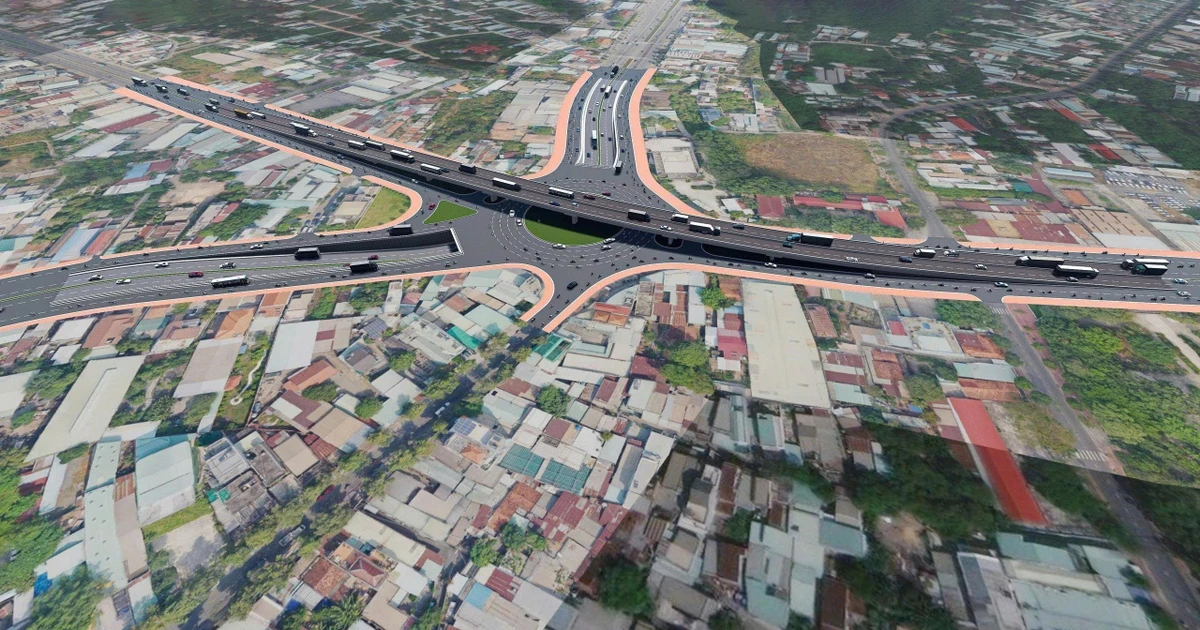
Vietnam Boosts Construction, Real Estate via Digital Transformation
Vietnam is driving digital transformation in its construction and real estate sectors to address market liquidity risks and technology adoption challenges. The government is establishing a unified digital management platform to enhance international competitiveness.
This article requires PRO
This article is outside the free access window or is a special report. PRO unlocks it and the full archive.
Related articles
- Massive Pod of 1,000 Dolphins Spotted Near Phu Quy Island
A massive pod of an estimated 1,000 dolphins was spotted near Vietnam's Phu Quy Island, astonishing local fishermen. This sighting, the largest in 30 years, is believed to be due to favorable environmental conditions and abundant food sources.
- Vietnam and Panama Forge Gateway for Southeast Asia-Latin America Connectivity
Vietnamese Prime Minister Le Minh Hung met with Panamanian President José Raúl Mulino Quintero, expressing intent to leverage both nations as gateways connecting Southeast Asia and Latin America. The meeting aimed to bolster economic cooperation and regional integration.
- Hanoi's Power Grid Modernized with Science, Technology, and Data
Hanoi is modernizing its power grid to meet rising energy demand driven by economic growth and urbanization. The capital aims for stable electricity supply and future growth through the application of science, technology, and data.
- Vietnam Unveils New Policy to Enhance Role of Overseas Vietnamese Community
Vietnam's Politburo has issued Resolution 23-NQ/TW, positioning the overseas Vietnamese community (Kieu Bao) as a strategic resource. The policy aims to maximize their contributions to economic growth and social development.