VP Sara Duterte trial: Bank secrecy law vs. financial transparency in impeachment proceedings
Politics
2026年7月23日
5
Rappler Philippines

General articles are free for 24 hours after publish.

VP Sara Duterte trial: Bank secrecy law vs. financial transparency in impeachment proceedings

Share
AI Summary

The impeachment trial of the Philippine Vice President has reignited debate over bank secrecy laws versus financial transparency. The case highlights the country's two decades of financial reforms, pushing for greater accountability and transparency.

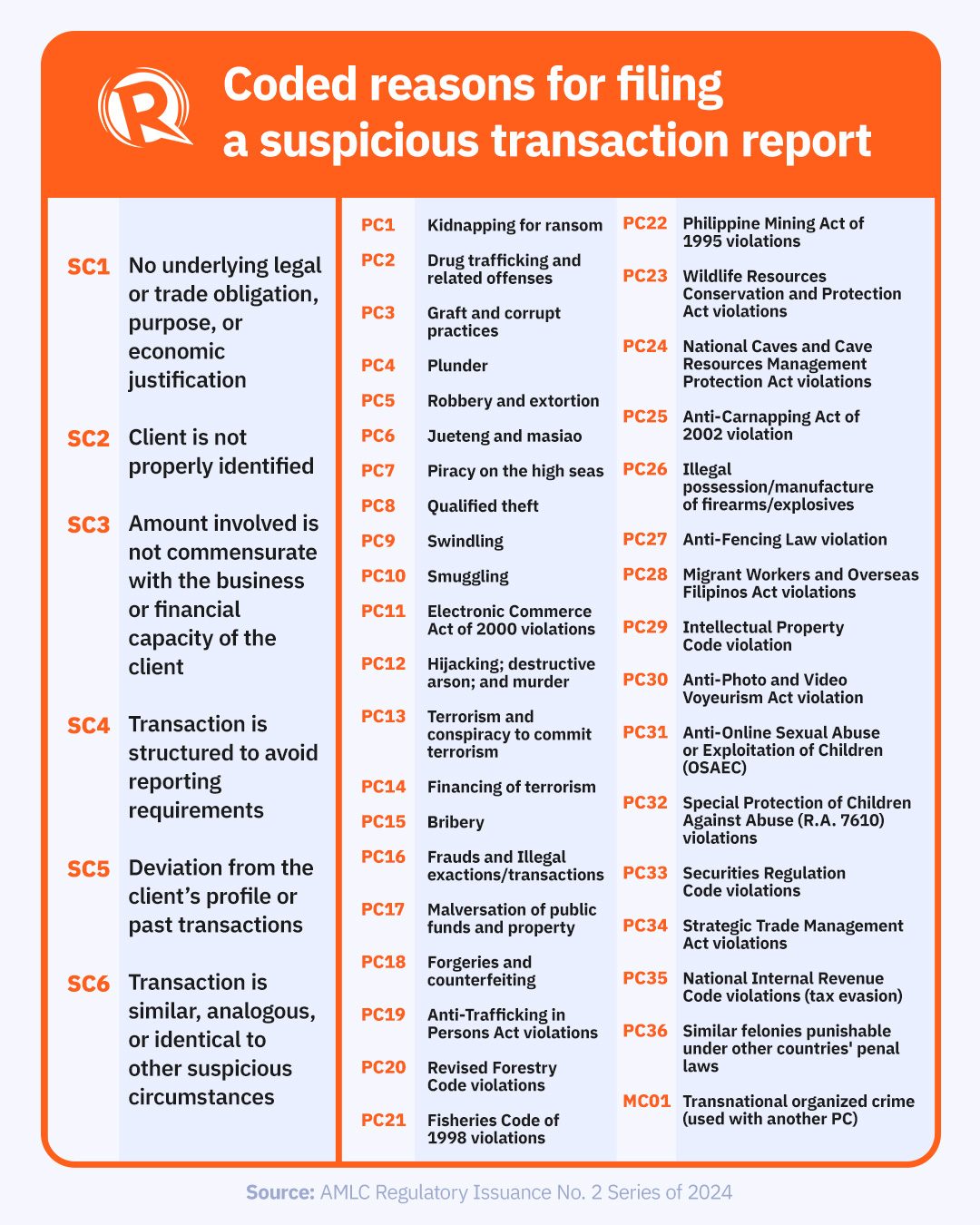
The Senate, acting as an impeachment court, recently granted the House prosecution's request to subpoena the bank and tax records of Vice President Sara Duterte and her husband, Manases Carpio. This is in connection with allegations of unexplained wealth under Article II of the impeachment complaint. Presiding Officer Francis Escudero ruled that the documents were "reasonably described, readily identifiable, and prima facie relevant and material" to the case. The decision has predictably sparked debate over financial privacy and bank secrecy. However, the article argues that a larger policy question is being overlooked: whether the country should continue moving towards greater transparency and accountability or retreat to an earlier era where bank secrecy could effectively shield public officials from meaningful financial scrutiny. Philippine banking reforms over the past two decades have steadily transformed the framework from one emphasizing confidentiality to one that balances legitimate financial privacy with the public interest in accountability and financial integrity. The enactment of the Anti-Money Laundering Act (AMLA) and its subsequent amendments expanded the powers of the Anti-Money Laundering Council (AMLC), aligning the Philippines with international standards set by the Financial Action Task Force (FATF). The Bangko Sentral ng Pilipinas (BSP) has also substantially strengthened customer due diligence through enhanced Know-Your-Customer (KYC) requirements. Banks are now expected to identify clients, understand the source of funds, the nature of business relationships, identify beneficial ownership, and monitor suspicious transactions. Anonymous banking has given way to transparent banking, as anonymity is inconsistent with maintaining the integrity of the financial system. Furthermore, the BSP shifted from a rules-based to a risk-based supervision approach. Banks are required to identify higher-risk clients and transactions, including politically exposed persons (PEPs), complex corporate structures, shell companies, and significant cross-border financial movements. This recognizes that public officials' authority over public resources creates opportunities for corruption, and international standards require enhanced due diligence for PEPs. The BSP also strengthened banks' obligations to report suspicious transactions to the AMLC. This preventive system aims to detect illicit financial activity before it becomes embedded in the system. Corporate transparency has improved through greater disclosure of beneficial ownership, and governance standards within banks have been upgraded. These reforms collectively aim to ensure the Philippine financial system serves legitimate economic activity rather than becoming a sanctuary for illicit wealth. The Bank Secrecy Law (Republic Act No. 1405) has evolved, with successive amendments to the AMLA gradually expanding lawful access to bank information under defined circumstances and safeguards. Philippine law now balances individual financial privacy with the state's duty to uphold public accountability and protect financial system integrity. This balance is particularly important for public officials, who are expected to maintain the highest standards of accountability and integrity. The impeachment complaint against the Vice President includes allegations of misuse of public funds, failure to divest business interests, bribery, procurement irregularities, and unexplained wealth. The subpoena is an evidentiary mechanism to examine whether her declared assets, banking transactions, and tax records are consistent with her explanations. Without access to these records, the impeachment court may be deprived of crucial evidence. Information source: Rappler Philippines

0

Original source

Rappler Philippines

原文を読む