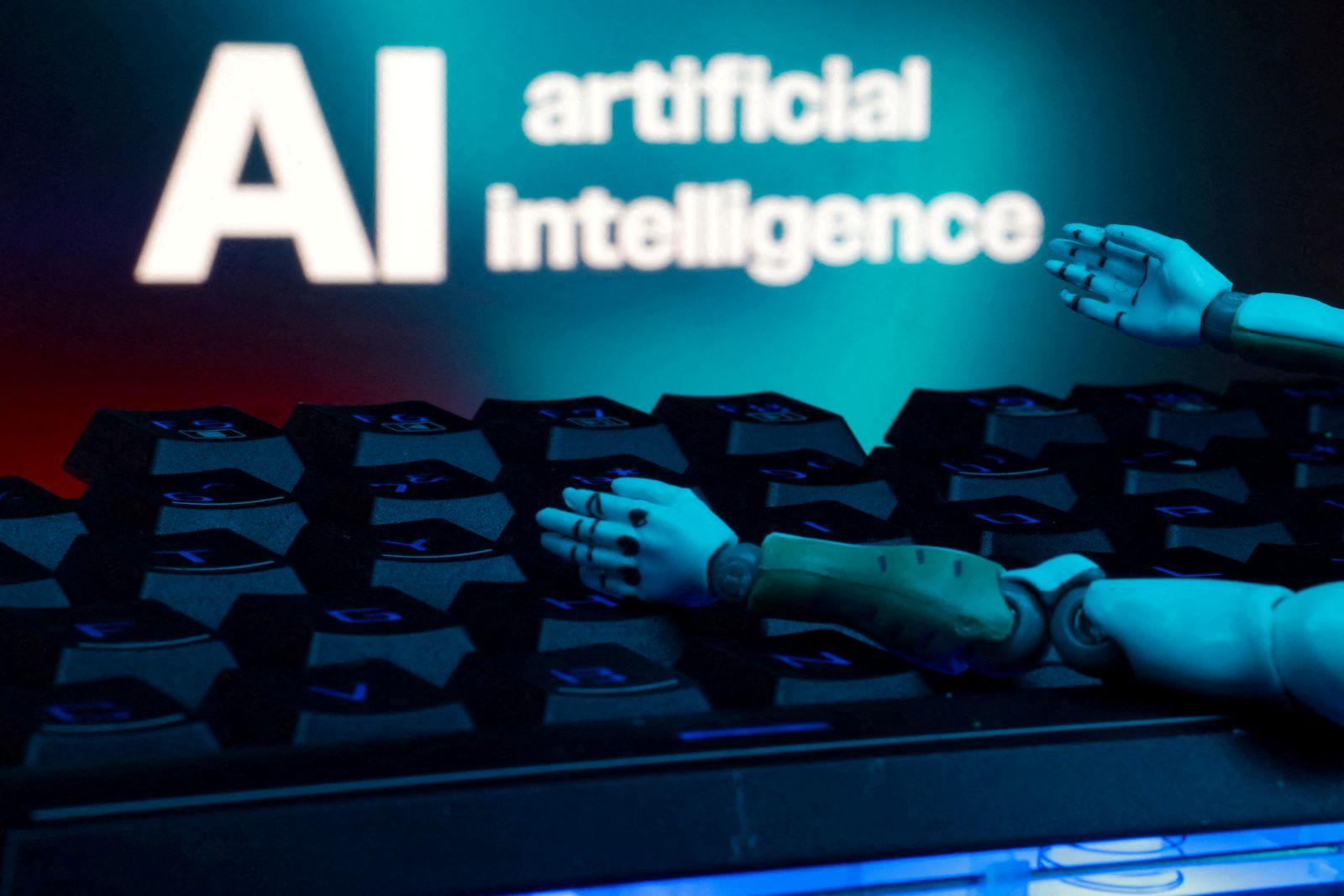
Filipino Workers Lag in AI Preparedness Amidst Corporate Adoption Surge
Filipino companies are rapidly adopting AI, yet over 80% of workers feel unprepared to keep pace, according to a Lark study. While firms prioritize cost savings, employees express concerns about AI's impact and a lack of digital skills training.
Filipino companies are accelerating their adoption of artificial intelligence (AI), but most workers say they are not equipped to keep pace, according to a new regional study by enterprise AI platform Lark. The study found that while nine in 10 employers in the Philippines are building workplace cultures that embrace technological change, only 17% consider their organizations digitally mature, with most still in the early stages of AI adoption. The research also highlighted a growing disconnect between management and employees, with 75% of Filipino workers saying company leaders are out of touch with their digital needs. Organizations in the Philippines are focusing digital investments on functions that offer immediate cost savings, the report said. IT (72%), marketing (61%), and finance (60%) are the most likely to be fully digitized, while employee experience (47%) and human resources (44%) trail behind. Some 83% of the employees said they need greater support in cybersecurity and AI productivity, yet only one in four feel they have received enough training to innovate confidently. Employees also reported that workplace technology is creating new challenges instead of improving efficiency. More than half said they lose at least three hours each week due to digital collaboration issues, while 80% feel overwhelmed by the number of workplace tools they are required to use. The study further found that trust remains a major hurdle to AI adoption. Only 15% of Filipino employees believe their organizations are highly transparent about how AI is being implemented, while 65% worry AI could eventually make their jobs obsolete and 77% have significant concerns over its security implications. "These findings should be a wake-up call. We are at a pivotal moment for AI adoption across Southeast Asia, but what this research tells us is that the foundation isn't as solid as leadership believes. Employees are overwhelmed, undertrained and increasingly disconnected from the decisions that shape their working lives," said Lark Asia Pacific general manager Olivier Adam. "Unless organizations address that gap now, before they layer more AI on top of an already fragmented experience, they risk accelerating the wrong things. Technology is ready. The question is whether people expected to use it feel ready too." Despite these concerns, workers remain optimistic about AI’s potential. The survey found that 86% want AI to handle routine tasks, provided organizations invest in training, clearer communication, and workplace systems that support employees rather than add complexity. The report was based on a double-blind survey of 900 employers and more than 5,000 employees across Singapore, Malaysia, Indonesia, Thailand, the Philippines, and Vietnam. — VBL, GMA News
多角的分析
フィリピン企業がAI導入でコスト削減を優先し、IT、マーケティング、財務といった直接的な収益や効率化に繋がる部門に投資を集中させていることは、短期的な経済的リターンの追求を示唆しています。しかし、従業員体験や人事部門への投資が遅れることは、長期的な人材育成や組織文化の変革、ひいてはイノベーション能力の低下に繋がりかねず、持続的な経済成長の足かせとなる可能性があります。AI導入の恩恵を全社的に享受するためには、ROI(投資収益率)の算出が難しい分野への戦略的な投資も不可欠です。
AI導入を加速させるフィリピン企業への投資は、短期的な効率化やコスト削減による収益性向上という点で魅力的です。しかし、従業員の準備不足やAIへの不信感といった課題は、AI導入プロジェクトの遅延や失敗リスクを高める要因となり得ます。特に、従業員体験や人事部門への投資の遅れは、生産性低下や離職率増加に繋がり、企業価値の毀損リスクとなります。投資家は、AI導入の進捗だけでなく、従業員のリスキリングや組織文化の変革への取り組みを慎重に見極める必要があります。
AI導入の加速は、フィリピンの労働市場に大きな変化をもたらす一方で、労働者の間に深刻な不安を生んでいます。8割以上が準備不足を感じ、半数以上がデジタルコラボレーションで時間を失い、8割がツールの多さに圧倒されているという状況は、職場環境の悪化を示唆しています。特に、AIが仕事を奪うのではないかという懸念(65%)や、セキュリティへの不安(77%)は、従業員の精神的負担を増大させています。企業が透明性を欠き、従業員のデジタルニーズを理解していないという指摘は、労使間の信頼関係の欠如を浮き彫りにし、社会的な分断を深める可能性があります。
AI導入の波は、フィリピンの一般市民、特に労働者層に直接的な影響を与えています。多くの人々が、新しい技術についていくためのスキルがなく、仕事がAIに取って代わられるのではないかという不安を抱えています。週に数時間もデジタルツールの問題で時間を浪費しているという現実は、日々の業務の非効率性を物語っています。企業が従業員の声に耳を傾けず、透明性を欠いたままAIを導入することは、労働者の生活の質を低下させ、社会的な格差を拡大させる懸念があります。
背景・歴史的文脈
フィリピンにおけるAI導入の遅れと労働者の準備不足は、同国のデジタルインフラの発展途上性と、教育システムと産業界のニーズとの乖離という構造的な問題に起因しています。BPO(ビジネス・プロセス・アウトソーシング)産業が経済を牽引してきたフィリピンでは、これまで比較的定型的な業務が多く、高度なデジタルスキルへの需要が相対的に低かった背景があります。しかし、グローバルなDX(デジタルトランスフォーメーション)の波は、フィリピン経済にも変化を迫っています。特に、AI技術の急速な進化は、従来の労働市場の構造を揺るがし、新しいスキルセットの必要性を浮き彫りにしています。2023年以降、世界的にAIの活用が加速する中で、フィリピン企業が遅れを取り戻そうと急ピッチで導入を進めているものの、労働者のトレーニングや意識改革が追いついていない状況が、今回の調査結果に表れています。
原文ソース
GMA Money Philippines