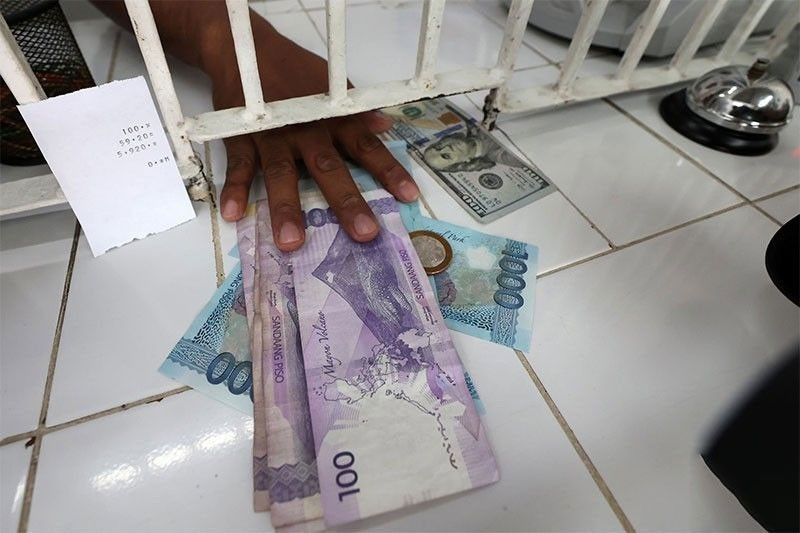
Philippine Peso Weakens Amid High Inflation, Economist Warns
The Philippine peso's value is being eroded by a high inflation rate of 7.2% in September, making it less attractive to investors and increasing pressure on households and businesses. An economist notes that central bank interest rate hikes are being outpaced by rising consumer prices, urging a government-wide approach to the issue.
Read up to 3 eligible full articles per Japan day (JST) for free
Create a free account to open up to 3 eligible full articles per Japan calendar day (JST). Headlines and summaries remain available across ASEAN 7.
Related articles
- Property Development Hit by Inflation, Infrastructure Freeze, Gatchalian Warns
Philippine property development is facing stagnation due to high inflation, a sharp drop in public works spending, and slowing economic growth, warned Senate President Sherwin Gatchalian. GDP growth slowed to 2.3%, public works construction plummeted 32%, and reduced household purchasing power makes consumers hesitant about mortgages.
- PH Growth Seen Below 3% Amid Weak Demand, Inflation
Philippine economic growth is projected to fall below President Marcos' target, likely under 3%, due to weak domestic demand and persistent inflation, according to Bank of America. The central bank is expected to prioritize inflation control over growth support.
- Philippine Stocks Tumble Amid Weak Peso and Rate Hike Fears
The Philippine stock market plunged to a nearly 11-month low, weighed down by concerns over monetary tightening by the US Federal Reserve and the Bangko Sentral ng Pilipinas, alongside a weakening peso. The benchmark PSEi closed 2.2% lower at 5,610.39.
- Philippine Economy Seen Growing Below 3% Amid Weak Spending, Inflation Woes
Bank of America (BofA) forecasts the Philippine economy to grow below 3% through 2026, citing weak household spending and sluggish investment as key drags on domestic demand. Renewed inflation pressures also raise the possibility of further interest rate hikes. A modest improvement to 3.5% is projected for 2027, but the economy is expected to operate below its potential.