Over 500 feared dead as officials investigate reports of boats capsizing with Rohingya refugees
More than 500 people are feared dead after reports that two boats carrying members of Myanmar’s persecuted Rohingya minority have capsized in the Bay of Bengal, officials said Thursday. According to preliminary informati
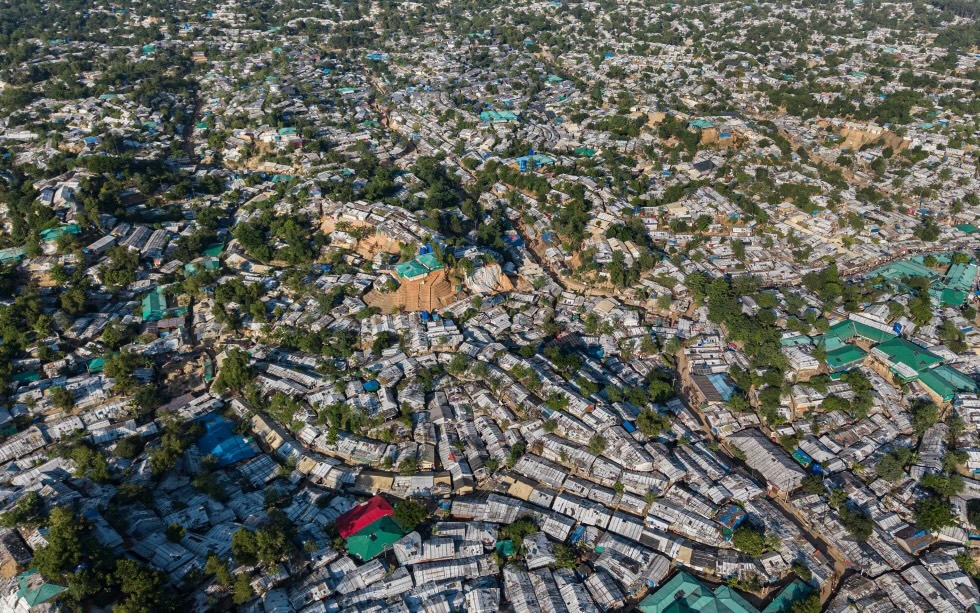
More than 500 people are feared dead after reports that two boats carrying members of Myanmar’s persecuted Rohingya minority have capsized in the Bay of Bengal, officials said Thursday. According to preliminary information, the two boats left Myanmar’s western state of Rakhine in late June carrying mostly Rohingya passengers, including some who had traveled from refugee camps across the border in Bangladesh, according to a statement from the International Organization for Migration (IOM) and the United Nations High Commissioner for Refugees (UNHCR). One boat, believed to have been carrying around 250 people, lost contact shortly after departure. A second boat, reportedly carrying 280 people, is believed to have sunk off the coast of Ayeyarwady Region on July 8. ″While the incidents and casualty figures have yet to be officially confirmed, UNHCR and IOM are gravely concerned by the potentially devastating loss of life,” the agencies said. The Rohingya, who have in recent years fled both Myanmar and Bangladesh’s squalid refugee camps by the thousands, typically avoid such boat journeys at this time of year, when monsoons are frequent and conditions at sea are particularly dangerous. The UNHCR and IOM noted this in their statement, saying that recent torrential rain and flooding across the region would have made such journeys especially risky. Around 1.2 million stateless, predominantly Muslim Rohingya remain trapped in overcrowded refugee camps in Bangladesh after fleeing waves of violence by Myanmar’s security forces.The refugees have no way to safely return to Myanmar, where the military that killed thousands of Rohingya in 2017 during what the United States declared a genocide remains in charge of their homeland. The Rohingya still living in Myanmar face severe restrictions and many are confined to internment camps. Steep cuts to foreign aid by the U.S. and other countries have led to ration cuts in Bangladesh’s refugee camps, while the ruling military and an ethnic armed organization in Rakhine have fought for control of the region. The unrest has led to an increasing number of Rohingya attempting to make the dangerous ocean crossing to Malaysia on rickety boats. Thousands have died in the process, including babies, children and pregnant women. Local maritime authorities have frequently abandoned the Rohingya at sea, often ignoring reports of boats in distress. The IOM and UNHCR said on Thursday that the latest potential tragedy at sea underscores the continued lack of sustainable solutions for the Rohingya, and urged the international community to support those trapped in Bangladesh’s camps. “Stronger regional and international efforts are needed to prevent further loss of life along one of the world’s deadliest maritime routes, including through enhanced search and rescue efforts, access to asylum and protection, and actions against smuggling and trafficking networks,” the agencies said. More than 6,500 Rohingya fled and nearly 900 were reported dead or missing in 2025, the deadliest year for Rohingya who tried to leave by boat. The figure represents the highest mortality rate of any major route for refugee and migrant sea journeys in the world, the UNHCR said. AP
多角的分析
直接の経済ニュースではありませんが、治安と司法の信頼は地域経済の土台です。職場での暴力や未成年者保護への不安が強まると、夜間営業、観光、雇用、地域サービス業のリスク認識が高まります。
投資家目線では、個別事件よりも法執行の予見可能性が焦点です。加害者への対応が曖昧になれば、ローカルビジネスの統治リスクや従業員保護の弱さとして評価されやすくなります。
ミャンマー西部ラカイン州の現場では、洪水を「個人間の事件」で片づけず、誰が守り、誰が説明するのかを可視化する圧力が強まります。当局の動きは、被害者側が孤立しやすい環境で、沈黙より手続きを選ぶための足場になります。
市民にとっては、自分や家族が被害に遭った時に公正な手続きへアクセスできるのかが最大の関心です。地域団体が声を上げることで、事件の風化を防ぎ、被害者側の孤立を和らげる意味があります。
背景・歴史的文脈
このニュースは、ミャンマーの地域社会で法の支配と弱者保護がどこまで機能しているかを映す事案です。暴力事件そのものに加え、女性団体や市民社会が司法手続きを求めて声を上げている点が重要です。軍政下では警察・司法への信頼が揺らぎやすく、個別事件が地域の不安や統治への不信に直結します。
原文ソース
DVB