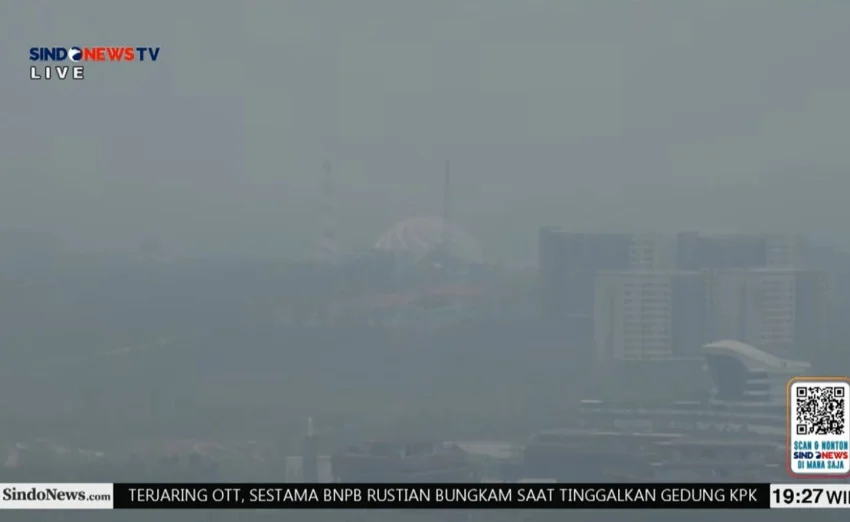
Indonesia Considers National Emergency Status Amid Soaring Respiratory Illnesses Due to Haze
Indonesia's parliament (DPR) is urging the government to consider declaring a national emergency status (KLB) due to a sharp rise in acute respiratory infections (ISPA) cases linked to haze from forest and land fires (Karhutla). Protecting public health is a pressing concern.
Read up to 3 eligible full articles per Japan day (JST) for free
Create a free account to open up to 3 eligible full articles per Japan calendar day (JST). Headlines and summaries remain available across ASEAN 7.
Related articles
- Closing the Loophole for Wild Long-Tailed Monkey Capture: Scientific Verification is Key
Indonesia faces issues of wild long-tailed monkey poaching amidst utilization permits. Experts urge the government to verify origins through facility audits and scientific checks, crucial for minimizing impact on wild populations.
- Bali Fuel Queues Ease as Pertamina Bolsters Delivery Service and Supply
State-owned energy company Pertamina claims that fuel queues in Bali are easing due to strengthened supply and optimized delivery services. The company has increased its Pertamina Delivery Service (PDS) capacity, particularly for Pertalite, and received additional sea route supplies. Pertamina urges the public to purchase fuel according to their needs and refrain from hoarding.
- Indonesian Parliament Demands Severe Punishment for BNPB Emergency Fund Misappropriation
The Indonesian Parliament (DPR) has called for severe punishment for individuals involved in the misappropriation of the National Disaster Management Agency's (BNPB) emergency response funds (Dana Siap Pakai). This issue highlights concerns over the transparency and equitable execution of funds crucial for disaster relief.
- Criticism Mounts Over Proposal to Distribute Civil Servant Salaries via Cooperatives
A proposal in Indonesia to distribute civil servant (ASN) salaries through local cooperatives has drawn sharp criticism from consumer protection advocates, who deem it a "step backward." The plan, slated for implementation in 2026, is feared to create new problems.