General articles are free for 24 hours after publish.
Cambodia: Tasak Farmers in Kratie Province Harvest at Prices Ranging from 400 to 1000 Riel Per Kilogram
Tasak farmers in Chitborei district, Kratie province, Cambodia are harvesting their crops at prices ranging from 400 to 1000 Riel per kilogram. With proper soil management and cultivation techniques, farmers can achieve 3 to 4 harvests annually, ensuring stable income without market concerns.
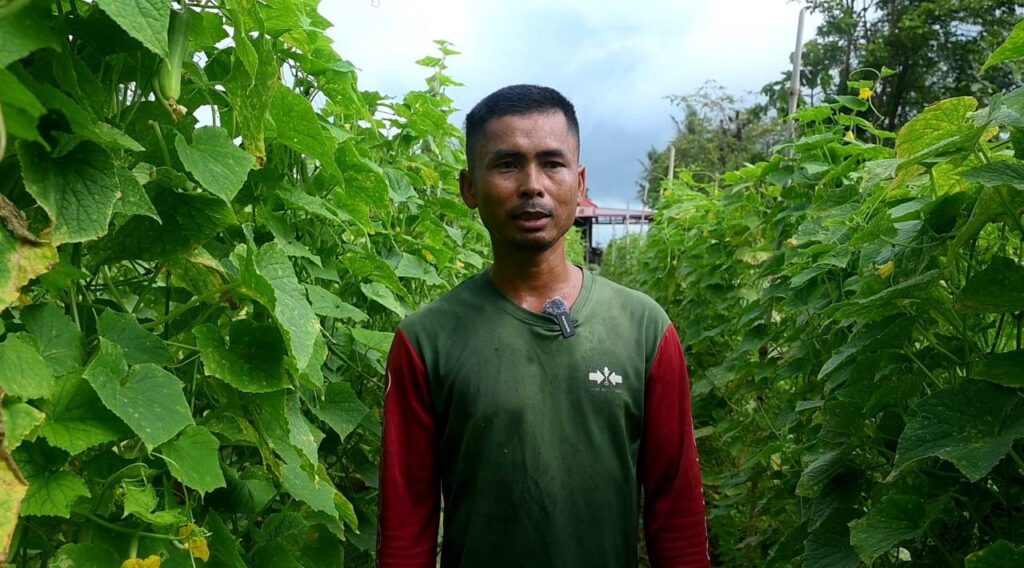
In Chitborei district, Kratie province, northeastern Cambodia, farmers cultivating a crop known as Tasak are harvesting their produce at prices ranging from 400 to 1000 Riel (approximately 0.1 to 0.25 US dollars) per kilogram. The cultivation of Tasak requires careful selection and preparation of land to maximize yields and avoid issues like root rot. While not overly demanding in terms of land type, it does not thrive equally on all soil varieties. Mr. Kon Khi, a resident of Chrova village in the same district, has been cultivating Tasak with his family since 2011. He states that with proper care, the harvest period can extend for over 30 days. During the harvest season, buyers, referred to as 'moi,' come directly to the farmers' homes to purchase the produce. The price fluctuates depending on the season; prices tend to fall when the harvest is abundant and rise when it is scarce. Mr. Kon Khi has received training in cultivation techniques from various entities, including seed companies, the provincial Department of Agriculture, Forestry and Fisheries, and the Chen Organization. These programs have provided instruction on cultivation methods and assistance in market access for farmers. Technically guided cultivation makes water, fertilizer, and pesticide usage easier to manage, reducing costs and improving weed control. For pest management, pesticides are applied according to the crop's growth stages, ceasing before the harvest to avoid impacting the health of harvesters and consumers. A notable advantage of Tasak cultivation is the ability to achieve three to four harvests per year without significant market concerns. Mr. Kon Khi encourages those with small plots of unused land and adequate water sources not to leave their land idle. He transitioned from daily wage labor to cultivation on his own small plot after receiving technical training and has since expanded his farming operations to include leased land.
Original source
Kampuchea Thmey Local