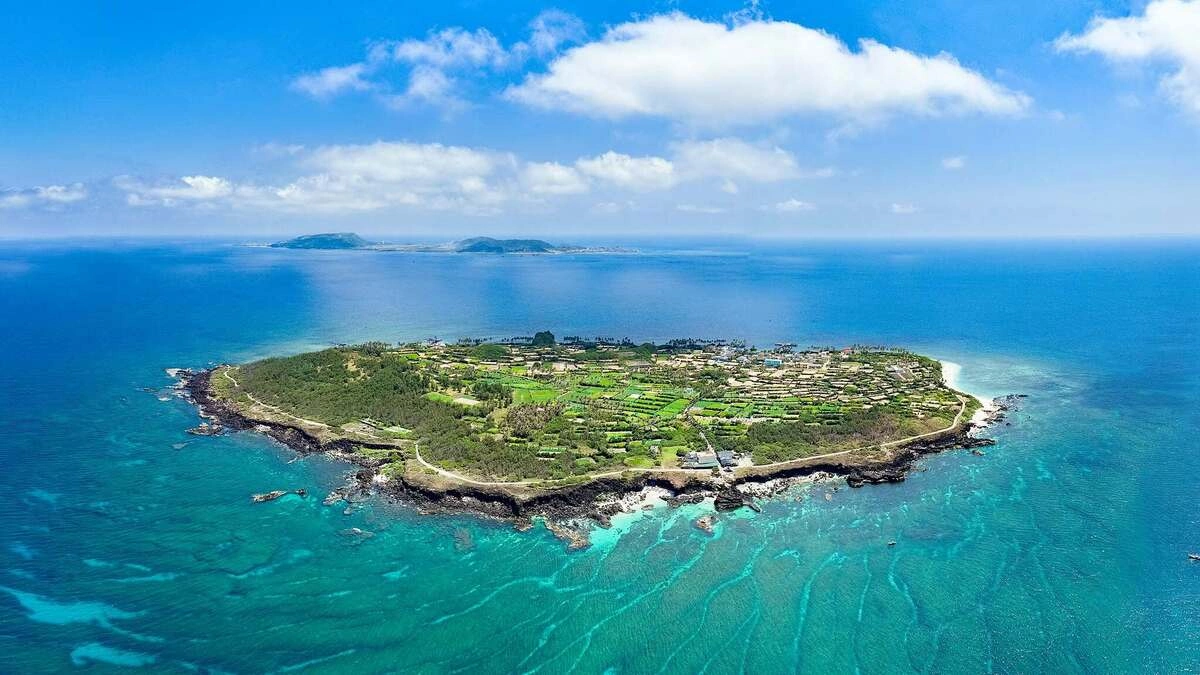
Vietnam's 'Maldives': An island captivating tourists with its rustic beauty
Culture
2026年7月15日
4
VnExpress

Vietnam's 'Maldives': An island captivating tourists with its rustic beauty

AI サマリー

Dao Be Island (An Binh Island) in Quang Ngai Province, Vietnam, dubbed the 'Maldives of Vietnam' for its white sandy beaches and clear waters, is attracting tourists with its serene, untouched nature. Tourism development is proceeding in harmony with the local community's way of life.

Dao Be Island (An Binh Island) in Quang Ngai Province, located in central Vietnam, is being hailed as the 'Maldives of Vietnam' due to its pristine nature and serene atmosphere, drawing numerous tourists during the summer season. Situated approximately three nautical miles (about 5.6 kilometers) off the coast of the main island of Ly Son, Dao Be is part of the Ly Son archipelago. It is particularly noted for its rustic charm and tranquil lifestyle. Access to Dao Be Island is convenient, with high-speed boats making the journey from Ly Son's harbor in about 10 to 15 minutes. A round-trip ticket costs between 100,000 and 120,000 VND (approximately $4-5 USD), with options for private boat charters available for larger groups. High-speed boats run daily from Ly Son port to Dao Be Island from 7:00 AM to 11:20 AM, with departures approximately every 20 minutes. In the afternoon, return trips from Dao Be Island to Ly Son port operate from 10:00 AM to 2:30 PM. The most popular spot on the island is Bai Sau, known for its fine white sandy beaches and crystal-clear waters. On sunny days, the water is so transparent that the seabed is visible, making it an ideal location for coral reef diving. The surrounding coral ecosystem is rich, hosting a diverse array of hard and soft corals, as well as schools of tropical fish. Compared to the main Ly Son Island, Dao Be Island has fewer accommodation facilities and tourist services, which helps preserve its natural state and peaceful pace of life. This combination of clear blue seas and rustic scenery is what earns it the 'Maldives of Vietnam' moniker. While many visitors opt for day trips, an overnight stay allows for unique experiences organized by locals, such as night squid fishing, camping, and coral reef diving. Diving tours are priced at around 1.5 million VND per person (approximately $60 USD) and typically include two dives, lunch, and dinner. Activities like SUP boarding to watch the sunrise over the sea or cycling along the pier to enjoy the sunset are also gaining popularity. Most of the island's residents make a living through fishing, aquaculture, and community-based tourism. Dao Be Island covers about 0.69 square kilometers and is home to over 100 households. Life here unfolds at a slow pace, intertwined with the sea and the characteristic garlic fields of Ly Son. Homestays and guesthouses on Dao Be Island are small-scale, but they offer fresh seafood such as king crabs, sea urchins, and various shellfish, alongside dishes prepared with Ly Son's famous garlic. The ideal time to explore Dao Be Island is from April to August, when the sea is calm, the water is clear, and the weather is sunny and favorable for outdoor activities. During the winter months, rough seas, strong winds, and high waves can lead to temporary suspension of boat services. Source: VnExpress

多角的分析

経済的影響

ダオベー島の観光開発は、大規模なリゾート開発ではなく、地域住民の生活と調和した「コミュニティ観光」に重点を置いている。これは、ベトナム政府が推進する持続可能な観光開発のモデルとも言える。地元住民が直接サービスを提供することで、観光収入が地域経済に還元されやすく、過度な開発による環境破壊のリスクも低減される。しかし、インフラ整備の遅れや、観光客の増加に伴う生活環境への影響といった課題も潜在している。今後の成長は、地域住民の生活の質を維持しながら、いかにして観光客の満足度を高めるかにかかっている。

投資家心理

ダオベー島への投資は、大規模な資本投下よりも、小規模なホームステイや体験型アクティビティへの投資が中心となるだろう。これは、島の素朴な魅力を維持するための戦略であり、投資家にとってはリスク分散の観点からも有利に働く可能性がある。ただし、インフラ(交通、通信、電力など)の整備状況は、投資判断における重要な要素となる。また、ベトナムの観光市場全体が成長傾向にある中で、ユニークな体験を提供できるニッチな市場として、長期的な視点での投資妙味があると考えられる。

社会的影響

ダオベー島は、都市部の喧騒から離れた静かで素朴な生活を求める観光客にとって魅力的なデスティネーションとなっている。島民の多くが漁業や水産養殖に携わっており、観光は彼らの生計を補完する役割を担っている。しかし、観光客の増加は、ゴミ問題、水資源の利用、そして地域社会の伝統的な生活様式への影響といった課題も引き起こす可能性がある。島民が観光開発の恩恵を享受しつつ、その生活文化を守っていくためのバランスが重要となる。特に、若年層が島を離れず、地域経済を支えるための新たな機会創出が求められる。

市民の声

ダオベー島を訪れる市民は、都市生活のストレスから解放され、自然との触れ合いや静かな時間を求めている。白い砂浜、澄んだ海、そして島民との交流は、彼らにとってリフレッシュの機会となる。一方で、島民にとっては、観光客の増加は収入源となる一方で、生活環境の変化やプライバシーへの影響も懸念される。特に、週末や休暇シーズンには多くの観光客が訪れるため、島内の移動や公共サービスの利用において混雑が生じる可能性もある。地域社会と観光客がお互いを尊重し、共存していくための配慮が求められる。

背景・歴史的文脈

ダオベー島(アンビン島)は、ベトナム中部クアンガイ省に属するリソン諸島のひとつである。リソン諸島は、約2億年前に火山活動によって形成されたと考えられており、独特の地形と豊かな海洋資源を持つ。ベトナム戦争後、これらの島々は開発から取り残されがちであったが、21世紀に入り、ベトナム政府は経済発展と観光振興を全国的に推進するようになった。特に、地方の隠れた魅力を発掘し、持続可能な観光開発を目指す動きが加速した。ダオベー島は、その手つかずの自然と素朴な景観が注目され、「ベトナムのモルディブ」として認知されるようになり、国内外からの観光客を惹きつけるようになった。これは、ベトナムが経済成長を続ける中で、国民の生活水準向上と地域経済の活性化を目指す一環として位置づけられる。

原文ソース

VnExpress

原文を読む