General articles are free for 24 hours after publish.
Thai Govt. Relaxes Welfare Card Eligibility Amidst Public Backlash
The Thai government has apologized and backed down on controversial eligibility rules for the 2026 state welfare card scheme following widespread public criticism. It proposes to relax vehicle ownership criteria, allowing approximately 6 million rejected applicants to join a government co-payment program.
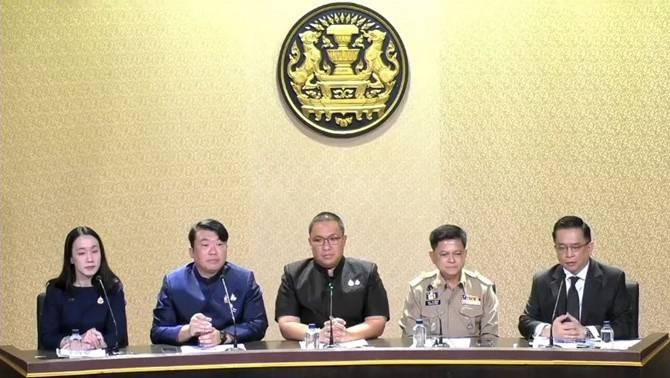
The Thai government has apologized and backed down over controversial eligibility rules for the 2026 state welfare card scheme following widespread public complaints. The government is proposing to relax vehicle ownership criteria, allowing around 6 million people who failed to qualify to instead join the government’s Thai Help Thai Plus (60/40) co-payment programme. The Finance Ministry said it will ask the Cabinet on Tuesday to allow these rejected applicants to join the co-payment programme. The ministry also plans to seek Cabinet approval to extend the welfare card appeal deadline from July 31 to Sept. 20, while the Interior Ministry will expand one-stop service centres at district offices and deploy local officials and village heads to assist applicants in remote areas or those unable to file appeals themselves. Finance Ministry spokesman Vinit Visessuvanapoom said about 40% of the 2.9 million appeals filed so far involve vehicle ownership issues. He said the ministry would revise the criteria to better reflect real-world situations, including informal vehicle transfers, with the aim of completing the review in time for successful applicants to receive benefits from Oct. 1. The latest registration drive identified 2.3 million first-time applicants, including more than 800,000 people whose identities will be verified through Interior Ministry field surveys, with the data expected to support future targeted assistance programmes beyond the welfare card scheme. Deputy Transport Minister Siripong Angkasakulkiat apologized for the confusion and said the Cabinet would be asked to exempt cars more than 20 years old and motorcycles more than 15 years old from the eligibility assessment. Applicants with up to two motorcycles of no more than 300cc that are still under finance would also remain eligible under the proposed changes. The government will also review rules affecting students in non-formal education programmes. The government said 18.82 million people registered for the scheme, with 9.5 million qualifying and 9.31 million rejected, most because official records showed they owned cars or motorcycles. Transport officials deployed additional staff to process appeals and verify ownership records, while district offices were instructed to provide one-stop services for applicants. Meanwhile, a source at the Energy Ministry said global energy markets have tightened again as tensions between the United States and Iran escalated, pushing oil prices higher over concerns that the conflict could disrupt shipments through the Strait of Hormuz. This comes just weeks after Thailand cut retail fuel prices by 2.56 Baht per litre for diesel and 2.51 Baht for gasoline, a move that has increased pressure on the Oil Fuel Fund. The fund’s deficit widened to more than 60 billion Baht as of July 19. If global oil prices continue to rise, the fund will face higher subsidy costs and could see its deficit exceed 100 billion Baht again, similar to 2024. Furthermore, questions have been raised on the qualifications of National Broadcasting and Telecommunications Commission (NBTC) Chairman Sarana Boonbaichaiyapruck after the committee responsible for selecting NBTC commissioners reviewed his eligibility. He said he officially ended his status as a government employee on Jan. 8, 2022. However, the validity of his decisions as NBTC chairman, including his vote to approve the merger of Total Access Communication Plc (DTAC) and True Corp. Plc (TRUE), is being questioned. The Securities and Exchange Commission (SEC) is also planning to allow investors to put up to 600,000 Baht a year into tax-advantaged investment accounts under its proposed Thailand Individual Savings Account (TISA) scheme, a Japanese-inspired initiative to encourage long-term investment in stocks, bonds, and mutual funds through tax incentives. The scheme aims to encourage households to shift savings from low-yield bank deposits into long-term investments while helping address Thailand’s widening retirement savings gap.
Original source
Thai Enquirer